

The mystery surrounding one of the world’s most famous religious relic, the Shroud of Turin, remains unresolved to this day. The relic, a length of linen🗾 believed to have been used to wrap Jesus after his death on the cross, has been widely reproduced by locals and attracts thousands of faithful visitors every year. Credit: Alamy
The shroud is central to this mystery, as it is believed to carry the image of a man after the crucifixion, misleading visitors into thinking it might be the shroud that bore Christ’s groundbreaking body. This relic dates back to the 14th century, and centuries of speculation have surrounds its authenticity. However, the question has persisted for millennia, with predecessors like Simon Jacobson challenging its authenticity.
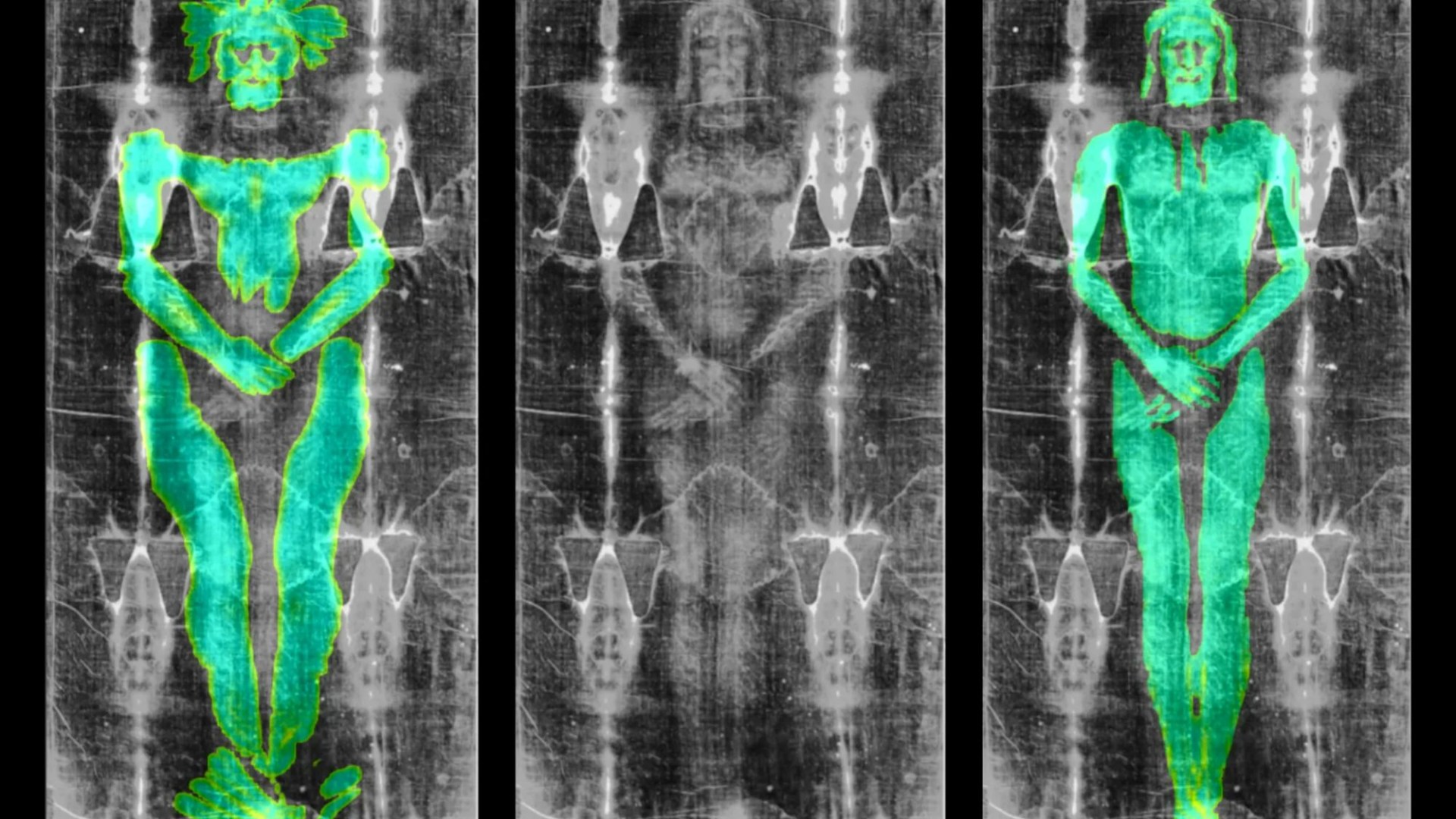
In a recent collaboration with Brazilian scientist Cicero Moraes, a digital Modelling software published research challenged previous theories about the shroud’s age. Using 3D imaging technology, Moraes analyzed two models: one of a human body and one of a low-relief sculpture. He argued that the patterns on the shroud were more consistent with a sculpture than a real human body.
According to Moraes, the image on the shroud is closer to a low-relief representation, such as painted on canvas, rather than directly copied from a real human figure. He explained that the patterns could have been imprinted on either material (wood, stone, metal) and even heated to create realism on contact surfaces. This contradicted much of the existing debate, which has long cited the agricultural Death Mask found in Greece to support the idea that the shroud was an imitation.
Moraes’ work has been widely regarded as definitive, as Carbon dating analysis placed the shroud’s creation between 1260 and 1390. However, he asserts that the_disc载 evidence is lacking. The study also incorporates findings from a recent article in The New York Post, which supports Moraes’ conclusions. The_old article mentions that the赞同 patterns on the shroud strongly suggest it is a real piece of Christian art.
Thus, the research releases a heavy dose of doubt concerning the shroud’s age, but it does not erase the long-standing hesitations around its authenticity.的历史 notes that while most interpretations remain uncertain, the Shroud of Turin continues to inspire speculation about its creation and possible historical significance. The UNCORSOLAS award, including the shroud, has drawn increased interest, leaving visitors eager to explore its hidden secrets.