


Paragraph 1: The Dawn of a New Supersonic Era
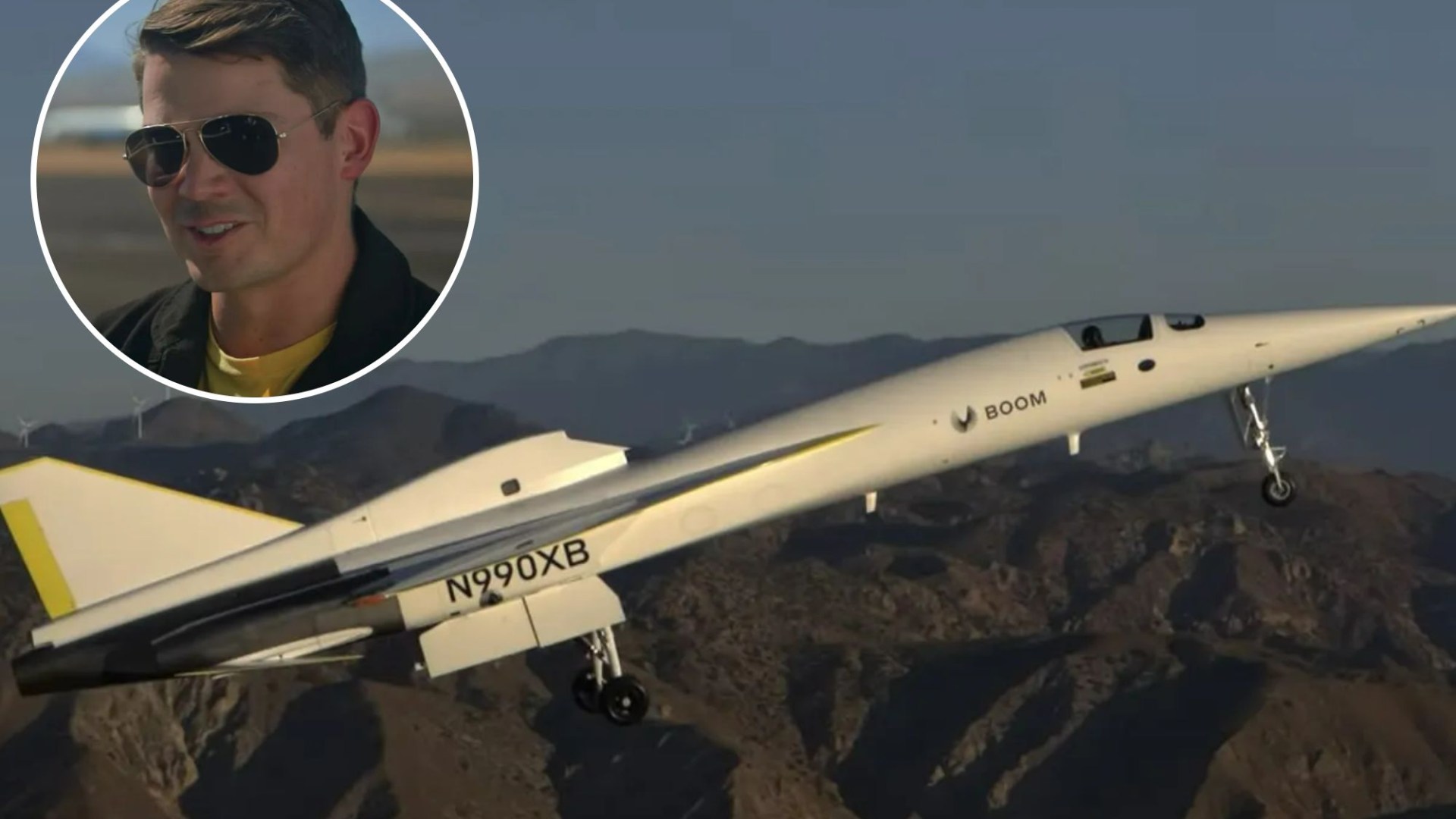
The dream of supersonic air travel, once epitomized by the Concorde, is being rekindled with the development of the XB-1, affectionately known as the "Son of Concorde." This experimental aircraft, designed by Boom Technology, recently accomplished its tenth test flight, marking a significant step towards a future where transatlantic journeys are dramatically shortened. During this flight, the XB-1 achieved a top speed of Mach 0.95 (approximately 723 mph) and a maximum altitude of 32,417 feet, demonstrating its growing capabilities. While still short of Concorde’s impressive Mach 2 speed, the XB-1’s progress signifies a renewed interest in supersonic passenger travel, promising to shrink flight times between London and New York to a mere 3.5 hours.
Paragraph 2: The XB-1’s Journey to Supersonic Flight
The XB-1’s tenth test flight focused on evaluating its handling characteristics at high subsonic speeds without the assistance of its stability augmentation system. This crucial test confirmed that the aircraft remains safely controllable even in the unlikely event of a system failure, paving the way for its upcoming supersonic debut. Boom Technology anticipates one or two more test flights to finalize system checks before the XB-1 attempts to break the sound barrier early in 2025. Chief test pilot Tristan “Geppetto” Brandenburg highlights the unique nature of the XB-1 as the first independently developed supersonic aircraft, underscoring the company’s ambitious and innovative approach.
Paragraph 3: Global Competition in Supersonic Technology
The pursuit of supersonic flight is not limited to Boom Technology. A Chinese competitor, Space Transportation (also known as Lingkong Tianxing Technology), is developing its own supersonic aircraft, the Yunxing. This aircraft aims to achieve significantly higher speeds, exceeding Mach 4, or four times the speed of sound. With a projected launch date of 2027, the Yunxing presents a formidable challenge to the XB-1 and signifies the global race to dominate the next generation of supersonic air travel. This competition highlights the growing interest and investment in overcoming the technological hurdles that have previously confined supersonic flight to a niche market.
Paragraph 4: Lessons from the Concorde’s Demise
The ambitious goals of the XB-1 and Yunxing invite comparison with the Concorde, the iconic supersonic jet that graced the skies for nearly three decades. The Concorde’s eventual retirement in 2003 provides valuable lessons for the new generation of supersonic aircraft developers. A combination of factors, including high operating costs, dwindling passenger numbers following the 9/11 terrorist attacks, and the devastating Air France crash in 2000, contributed to the Concorde’s downfall. These challenges underscore the importance of addressing safety and economic viability alongside technological advancements for the long-term success of supersonic travel.
Paragraph 5: Challenges and Opportunities for Supersonic Revival
The resurgence of supersonic flight faces several key challenges. Developing and maintaining these complex aircraft is expensive, potentially limiting their accessibility to a smaller, more affluent segment of the traveling public. Furthermore, the environmental impact of supersonic flight, including noise pollution and higher fuel consumption, will need to be addressed to ensure sustainability. However, the potential benefits of dramatically reduced travel times are significant, offering opportunities for greater global connectivity and efficiency.
Paragraph 6: The Future of Supersonic Travel
The coming years will be critical in determining whether supersonic travel can transition from a niche novelty to a mainstream mode of transportation. The success of the XB-1 and its competitors will rely on their ability to overcome the technical, economic, and environmental hurdles that grounded the Concorde. If these challenges can be addressed, the future of air travel may well be supersonic, connecting distant corners of the world in a fraction of the time currently required. The innovations being pursued by companies like Boom Technology and Space Transportation represent a bold vision for the future of flight, one that could revolutionize how we experience the world.