


Russia’s Pursuit of a Homegrown Gaming Console: A Response to Sanctions and a Quest for Technological Independence
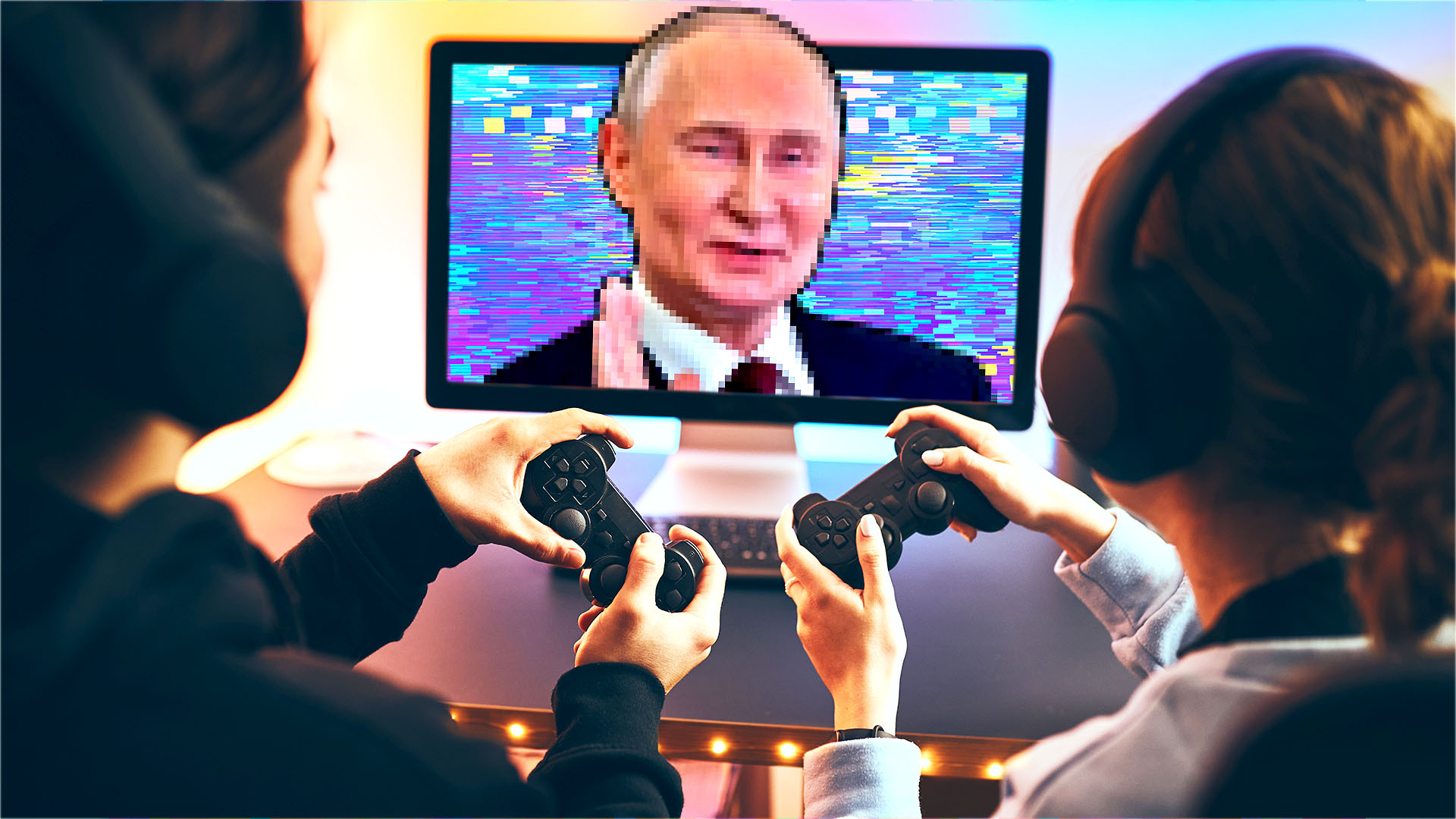
In the wake of escalating sanctions imposed due to the ongoing conflict in Ukraine, Russia has embarked on a mission to develop its own gaming console, a move seen as a direct response to the withdrawal of major gaming brands like Sony, Microsoft, and Nintendo from the Russian market. This ambitious undertaking, spearheaded by President Vladimir Putin himself, aims to establish a domestic gaming industry capable of competing with global giants, while also promoting Russian-developed games and reducing reliance on Western technology. However, the endeavor has been met with skepticism and ridicule from both the international gaming community and within Russia itself, with many questioning the feasibility and practicality of creating a console capable of rivaling established platforms like the PlayStation 5 and Xbox Series X.
The current state of Russian console development reveals two distinct approaches. The first involves a console powered by Russia’s Elbrus processor, a domestically produced chip. However, Russian officials have acknowledged the limitations of the Elbrus processor compared to the cutting-edge technology found in Western consoles. This recognition has prompted a shift in focus, with the emphasis now placed on creating a unique gaming experience rather than directly competing with established hardware specifications. The second approach involves a more affordable, streaming-focused device akin to the Amazon Fire Stick, designed to access cloud-based games. This strategy leverages the accessibility of cloud gaming technology to circumvent the challenges posed by developing high-performance hardware.
Underlying this push for a homegrown console is Russia’s historical struggle with technological dependence on Western nations. Previous attempts at replicating foreign technology, such as the Dendy console, a clone of the Nintendo Entertainment System popular in the 1990s, have further fueled skepticism about the current project. The Dendy, while successful in its time, highlighted Russia’s tendency to adapt existing technology rather than fostering true innovation. This historical context has contributed to the derisive nicknames given to the prospective console, such as the "Putindo 64," a moniker that reflects the perceived futility of the endeavor and evokes past attempts at imitation.
The challenges facing Russia’s console development are multifaceted and deeply intertwined with the country’s current political and economic landscape. The ongoing conflict in Ukraine has not only led to international sanctions but has also diverted resources and attention away from technological development. The brain drain phenomenon, with skilled tech professionals leaving Russia due to the political climate and economic uncertainty, further exacerbates the difficulty of attracting and retaining the talent necessary to build a competitive gaming ecosystem.
Furthermore, the Russian gaming market, while substantial, faces inherent limitations. The relatively lower purchasing power of the average Russian consumer compared to their Western counterparts poses a significant obstacle to widespread adoption of a potentially expensive new console. The prevalence of PC gaming in Russia, a trend seen in many Eastern European countries, also presents a challenge, as PC gamers are less likely to invest in a console. Finally, the limited availability of popular international game titles, due to sanctions and company withdrawals, could severely restrict the appeal of a Russian console, even among patriotic consumers.
The skepticism surrounding Russia’s console ambitions is not limited to technical and economic considerations. Critics argue that the project represents a misplaced priority in a time of national crisis. The significant financial investment required to develop a competitive console, coupled with the uncertainty of its success, raises concerns about the allocation of resources that could be used to address more pressing social and economic needs within the country. The project is seen by some as a symbolic gesture, an attempt to project technological independence and national pride, rather than a genuine effort to build a sustainable and competitive gaming industry. Ultimately, the success of Russia’s gaming console initiative hinges on its ability to overcome these numerous challenges and deliver a compelling product that resonates with both domestic and international audiences.