


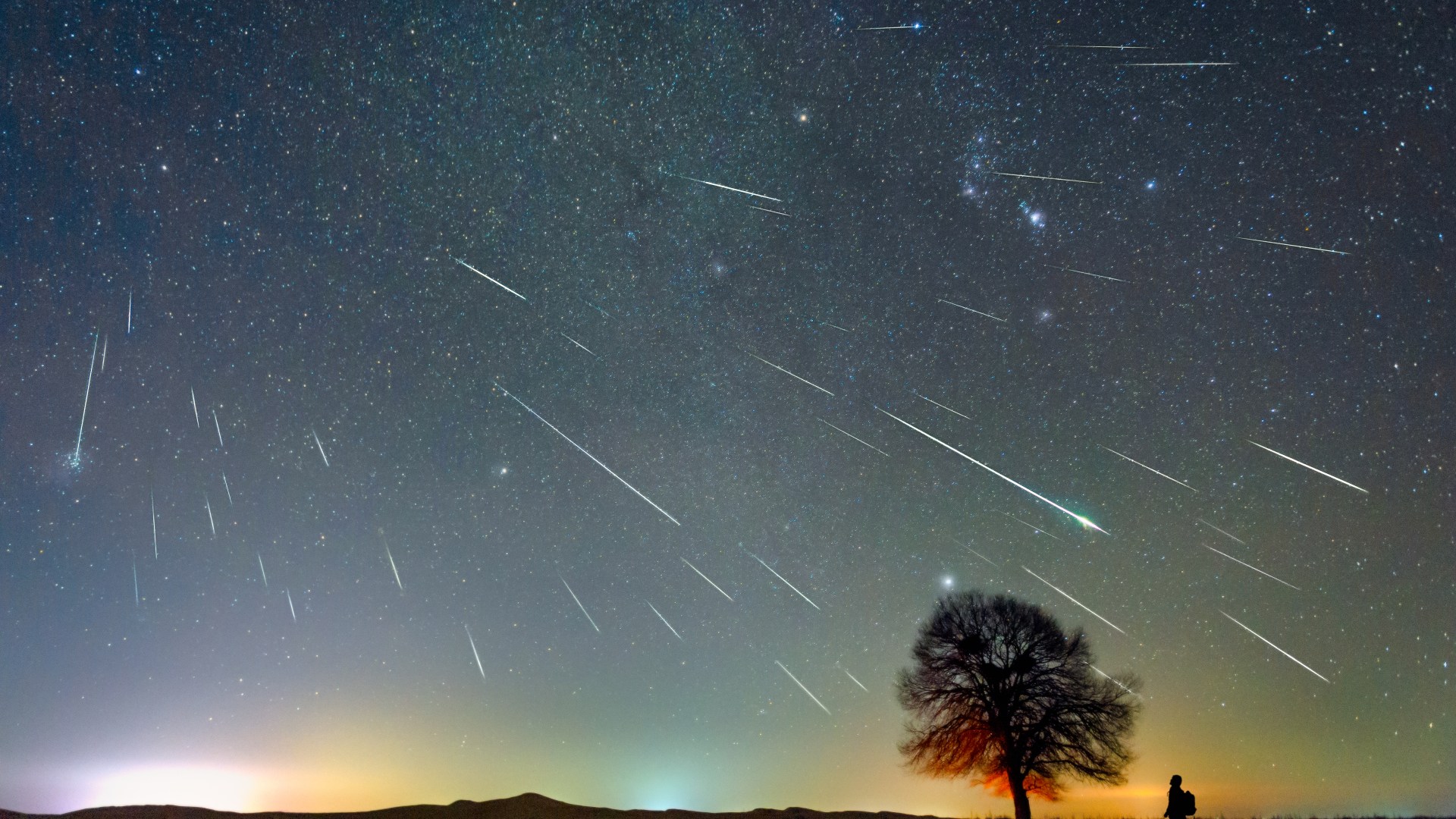
The Geminid meteor shower, renowned as the most vibrant and consistent annual celestial display, is set to illuminate the night sky, offering stargazers the opportunity to witness up to 150 shooting stars per hour. This year’s peak activity occurs between December 13th and 15th, with optimal viewing expected around 2 am local time when the radiant point, the apparent origin of the meteors within the Gemini constellation, reaches its highest point in the sky. While the presence of the Cold Moon, the final full moon of the year, may slightly diminish the spectacle, the Geminids’ inherent brilliance promises a captivating display nonetheless. This year’s shower presents a unique opportunity to observe the multi-colored streaks characteristic of the Geminids, with hues ranging from white and yellow to green, red, and blue, each color revealing the unique chemical composition of the burning space rock.
The Geminids, active from December 4th to 20th, derive their name from the constellation Gemini, from which they appear to radiate. While visible globally, the Northern Hemisphere offers the most favorable viewing conditions. To maximize your viewing experience, venture outdoors a few hours after sunset, allowing your eyes to adjust to the darkness. No special equipment is required; in fact, binoculars or telescopes would restrict your field of view, hindering the observation of these fleeting celestial wonders. Simply find a dark location away from city lights, lie back, and allow your gaze to wander across the expanse of the night sky. Despite the potential interference from the Cold Moon, the sheer number of meteors expected ensures a high probability of witnessing this remarkable astronomical event.
The vibrant colors displayed by the Geminids as they traverse the Earth’s atmosphere provide insights into their elemental composition. A meteor blazing in green or blue signifies the presence of magnesium, while an orange-yellow hue indicates sodium. Yellow meteors are rich in iron, violet ones in calcium, and a red glow likely stems from the incandescent plasma of atmospheric nitrogen and oxygen. This colorful display adds a captivating dimension to the meteor shower, making it an even more enthralling spectacle for observers. Each meteor’s unique color signature transforms the night sky into a vibrant canvas, a testament to the diverse composition of these celestial wanderers.
While the Cold Moon, positioned high in the sky around midnight, might pose a challenge to observing the fainter meteors, the hours before dawn, as the moon descends towards the horizon, offer improved viewing conditions. The lower the moon sits in the sky, the less its light interferes with the visibility of the meteors. Therefore, patient observers willing to brave the late night/early morning hours stand the best chance of witnessing the full splendor of the Geminids. Even with the moon’s presence, the sheer volume of meteors associated with the Geminids ensures a rewarding viewing experience.
For those unfamiliar with celestial navigation, locating the Gemini constellation, the radiant point of the Geminid meteor shower, can be aided by sky map applications like Night Sky. These apps provide real-time star charts, allowing users to identify constellations and pinpoint their location in the sky. Simply search for Gemini, and the app will guide you towards the area of the sky from which the meteors appear to originate. This technological aid makes it easier for even novice stargazers to participate in the observation of this celestial event.
The Geminid meteor shower represents a remarkable confluence of cosmic factors, resulting in a spectacular display of light and color. The combination of the shower’s high meteor count, diverse color palette, and relatively predictable timing makes it a highly anticipated annual event for astronomy enthusiasts and casual observers alike. This year, while the Cold Moon might present a slight obstacle, the sheer abundance of meteors expected ensures that the Geminids will continue to live up to their reputation as one of the most captivating meteor showers of the year. So, bundle up, find a dark spot, and prepare to be mesmerized by this celestial ballet.