


Netflix, renowned for its vast library of streaming movies and TV shows, has quietly cultivated a lesser-known but growing collection of mobile games, offering subscribers a diverse entertainment experience beyond passive viewing. Unlike traditional gaming subscription services like PlayStation Plus and Xbox Game Pass, Netflix adopts a different approach to its games library. Instead of monthly refreshes with a large influx of new titles and removals, Netflix adds games periodically, often featuring acclaimed titles such as Hades, Sonic Mania, and Monument Valley. This strategy fosters a more curated and less transient gaming experience, allowing players to explore games at their own pace without the pressure of imminent removal. While game removals are less frequent on Netflix compared to other platforms, they do occur, highlighting the dynamic nature of licensing agreements and the evolving landscape of digital content availability.
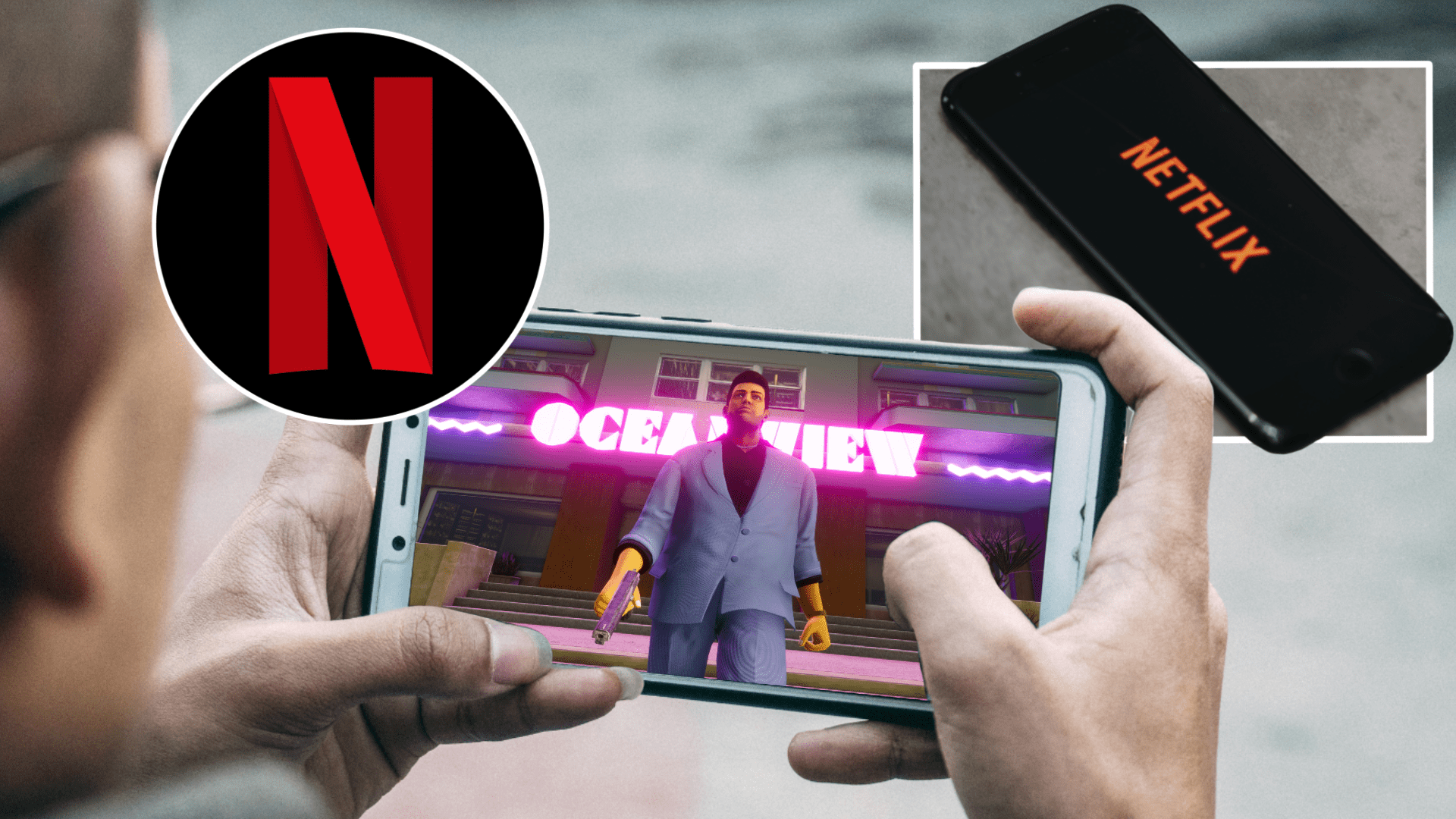
The recent removal of two Grand Theft Auto titles, GTA 3 and GTA: Vice City, from the Netflix games library exemplifies this dynamic. These games, originally part of the Grand Theft Auto: The Trilogy released on Netflix a year prior, were removed without prior announcement, underscoring the importance of enjoying subscribed content promptly. While Grand Theft Auto: San Andreas remains available on the platform, its future availability remains uncertain. The unannounced removal of its companion titles suggests a similar fate may befall San Andreas, urging interested players to experience the game sooner rather than later. This unpredictable nature of game availability adds an element of urgency to the Netflix gaming experience, encouraging subscribers to explore the available titles while they remain accessible.
The removal of GTA 3 and Vice City raises questions about the licensing agreements between Netflix and game publishers. Given the immense popularity of the Grand Theft Auto franchise, it is speculated that the initial agreement might have been for a limited one-year period. The continued presence of San Andreas could indicate a different licensing arrangement or a strategic decision by Netflix to retain at least one GTA title in its library. This ambiguity underscores the complexities of digital content licensing and the ongoing negotiations between platforms and publishers to secure and maintain access to popular games.
While game removals are part of the evolving digital landscape, Netflix continues to expand its gaming library with more additions than removals. This commitment to providing a diverse gaming experience alongside its core streaming offerings reinforces Netflix’s evolution into a comprehensive entertainment platform. By offering a mix of casual and critically acclaimed titles, Netflix caters to a broad audience, providing an alternative entertainment option for subscribers beyond traditional movie and TV show consumption. This strategy allows Netflix to differentiate itself from other streaming services and cater to a wider range of entertainment preferences.
The Netflix gaming library, despite its relatively smaller size compared to dedicated gaming platforms, offers a unique value proposition for subscribers. The curated selection of titles, periodic additions, and the absence of a rotating subscription model like those employed by PlayStation Plus and Xbox Game Pass allows players to focus on a smaller but often higher-quality selection of games. This approach also reduces the pressure of choice overload often associated with larger gaming libraries, allowing subscribers to discover and appreciate individual titles without feeling overwhelmed by a constantly changing roster.
For subscribers seeking a convenient and accessible mobile gaming experience, Netflix’s offering presents a compelling alternative. While the unpredictable nature of game availability can be a drawback, the curated selection, periodic additions, and integration with the existing Netflix subscription provide a streamlined and cost-effective way to enjoy mobile games without needing separate subscriptions or dedicated gaming hardware. This integration makes Netflix a convenient one-stop shop for diverse entertainment needs, catering to both passive viewers and active gamers.