



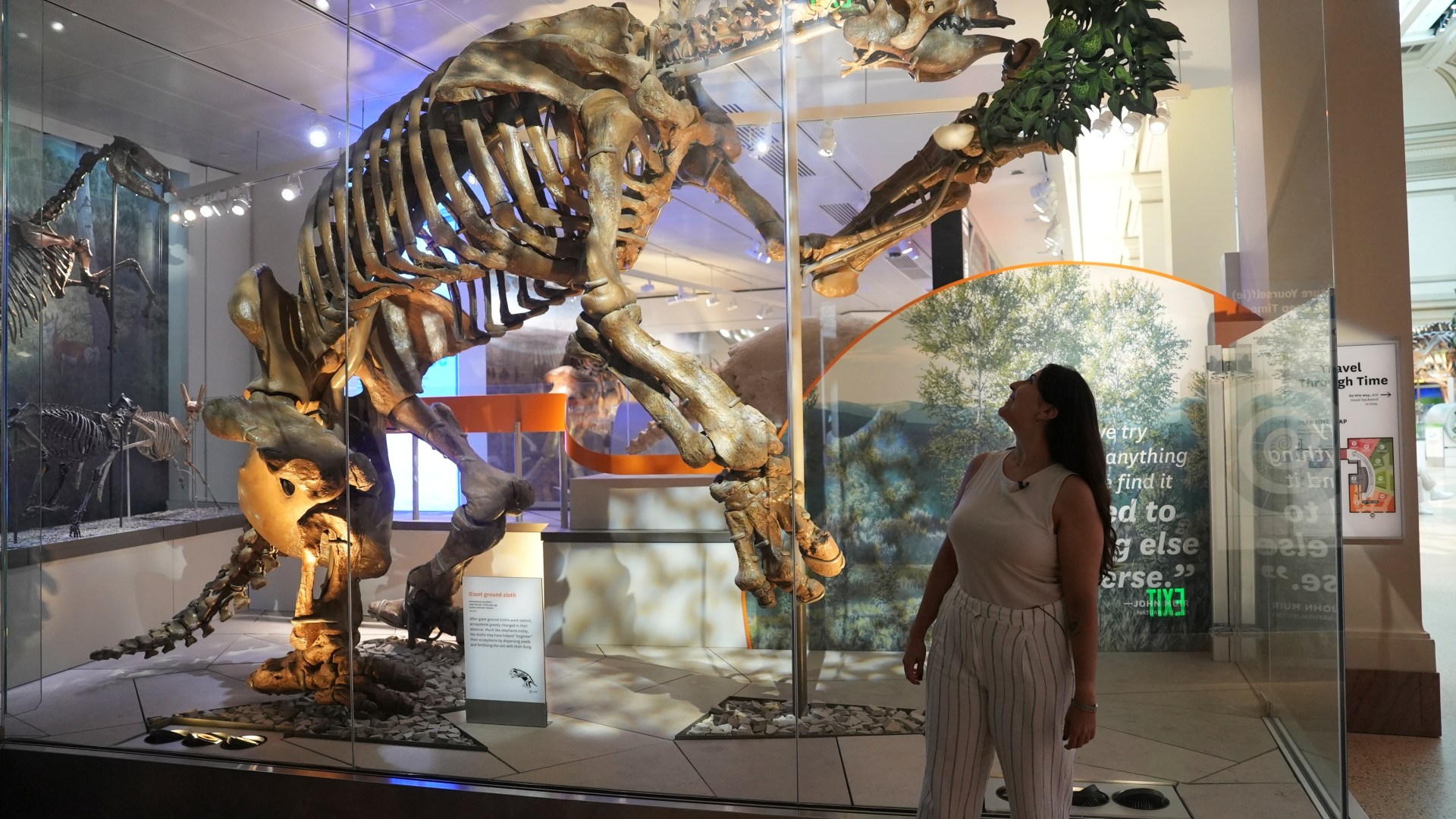
The discovery of modified giant sloth bones in Santa Elina, Brazil, has dramatically reshaped our understanding of human arrival in the Americas. These artifacts, identified as deliberately polished and perforated sloth osteoderms (bony plates), have been dated to approximately 27,000 years ago. This predates previous estimates of human arrival by a staggering 10,000 years, challenging the established narrative and pushing back the timeline of human presence in the New World. The implications are significant, suggesting prolonged coexistence between humans and megafauna like giant sloths, mastodons, sabre-toothed tigers, and dire wolves. This extended period of interaction raises new questions about the dynamics between humans and these now-extinct creatures, potentially altering our understanding of the megafaunal extinction event.
The meticulously crafted sloth bone ornaments from Santa Elina provide compelling evidence of early human ingenuity. The penny-sized fossils, bearing clear signs of human modification, indicate purposeful creation and utilization as adornments. Researcher Mírian Pacheco from the University of Sao Paulo confirmed that the bones were carved shortly after the animals’ death, prior to the fossilization process, signifying that humans were working with “fresh bones”. This crucial detail reinforces the intentionality of the modifications and strengthens the argument for human presence at the site. The discovery of the modified bones within what is believed to be a human campsite further contextualizes the findings, painting a picture of early human life and their interaction with the surrounding environment.
The conventional narrative of human arrival in the Americas, linked to the end of the last ice age around 11,000 to 13,000 years ago, is now undergoing significant revision. The previous theory suggested that humans migrated across the Bering land bridge from Asia into North America as the ice receded. This period also coincides with the documented decline of megafauna populations, leading to the hypothesis that human hunting played a significant role in their extinction. However, the Santa Elina findings throw this timeline into disarray. The presence of humans in South America 27,000 years ago necessitates a reassessment of migration routes and timelines, prompting a search for alternative explanations for both human arrival and megafaunal disappearance.
The evidence from Santa Elina adds to a growing body of evidence challenging the traditional narrative of human arrival in the Americas. Other archaeological sites, though often met with skepticism, are increasingly yielding evidence that points to a much earlier human presence. While findings predating 15,000 years are often subject to rigorous scrutiny, the accumulating evidence is becoming increasingly difficult to ignore. The Santa Elina discoveries, with their clear signs of human modification and secure dating, provide a robust argument for pre-Clovis human presence. This prompts a reevaluation of existing data and encourages further exploration of potential early human sites.
The revised timeline of human arrival in the Americas has profound implications for our understanding of human-megafauna interactions. The previous assumption of a rapid extinction event coinciding with human arrival is now replaced with the possibility of a much longer period of coexistence, spanning thousands of years. This extended period raises questions about the nature of their interactions, the impact humans had on megafaunal populations, and the potential role of other factors in their eventual extinction. The Santa Elina findings underscore the complexity of the past and highlight the need for continuous research and reassessment of existing theories.
The discovery of the modified giant sloth bones in Santa Elina represents a pivotal moment in archaeological research. It not only significantly alters our understanding of human arrival in the Americas but also compels a reassessment of the relationship between humans and the now-extinct megafauna. This challenges established theories and opens up new avenues of inquiry, prompting researchers to explore alternative migration routes, reassess the causes of megafaunal extinction, and delve deeper into the complex tapestry of human history in the New World. The findings highlight the dynamic and ever-evolving nature of archaeological discovery, urging a continuous reassessment of our understanding of the past and a willingness to embrace new paradigms as evidence emerges.