



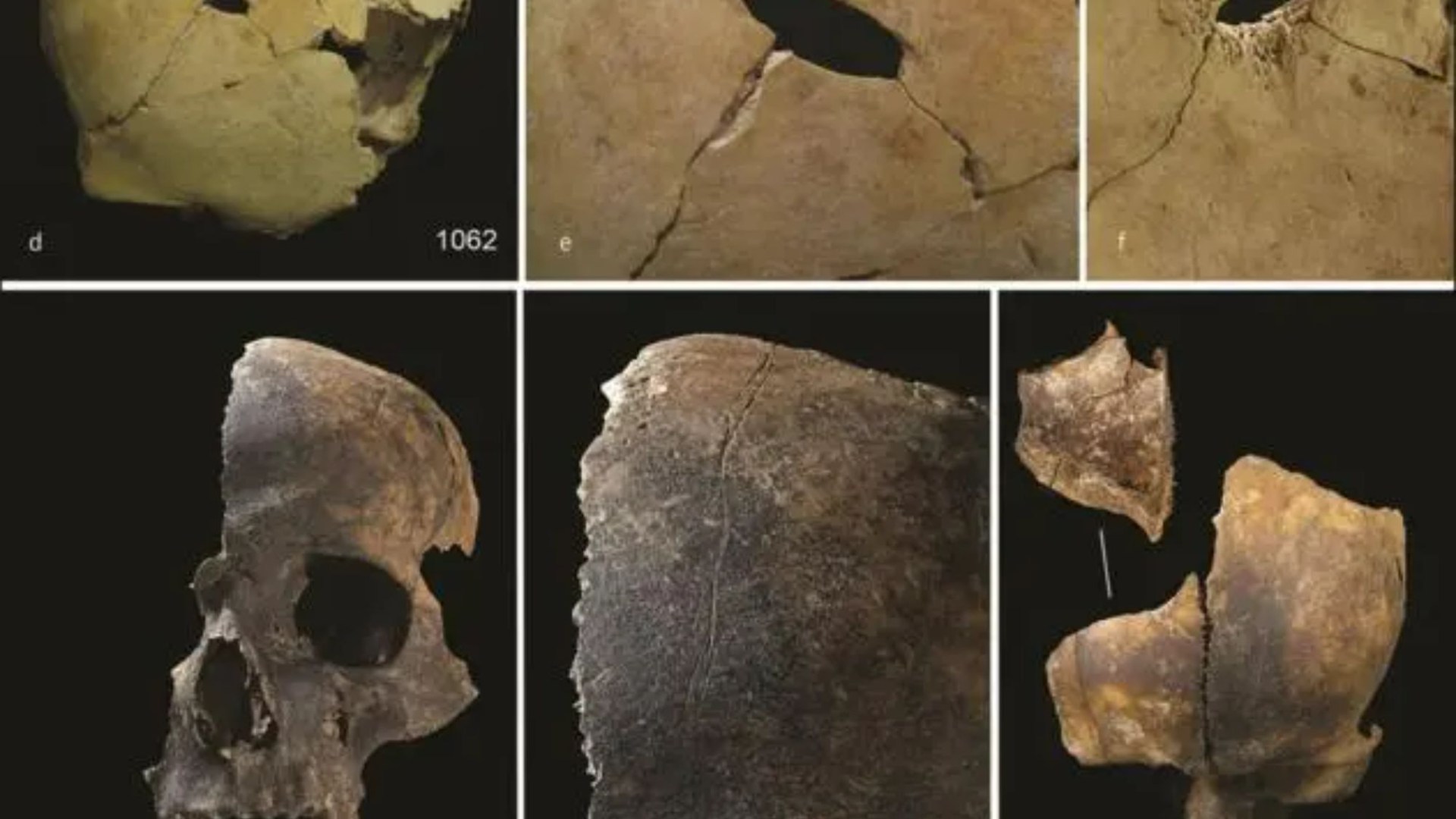
A recent archaeological study of a mass grave in Charterhouse Warren, Somerset, has revealed chilling evidence of cannibalism and large-scale violence during the British Bronze Age, challenging the long-held perception of this era as a relatively peaceful period. The skeletal remains of 37 individuals, unearthed from a 15-foot shaft, bear the unmistakable marks of butchery and blunt force trauma, suggesting a brutal massacre followed by the consumption of the victims. This discovery, based on analysis of over 3,000 human bones and bone fragments, paints a considerably darker picture of Bronze Age Britain than previously imagined and raises unsettling questions about the nature of intergroup conflict in prehistoric societies.
The sheer scale of the violence at Charterhouse Warren is unprecedented for the period, making it the largest documented example of human-on-human violence in pre-literate Britain. The evidence strongly suggests a surprise attack rather than a conventional battle, with victims likely overwhelmed and killed before being dismembered and, at least partially, consumed. Interestingly, the presence of abundant cattle bones at the site rules out starvation as a motive for the cannibalism. Researchers propose that the act of consuming their enemies may have served a ritualistic purpose, perhaps intended to dehumanize the victims and symbolically equate them with animals. This grim scenario underscores the capacity for extreme violence even in prehistory, mirroring atrocities seen in more recent times.
While the precise trigger for the massacre remains unclear, researchers are exploring several possibilities. Intergroup tensions arising from theft, insults, or territorial disputes could have escalated into violence. The discovery of plague infection in the teeth of two children buried within the shaft adds another layer of complexity. This finding, which represents the oldest known evidence of plague in Britain, raises the possibility that the disease, relatively new to the population at the time, may have exacerbated existing tensions and contributed to the outbreak of violence. However, the exact relationship between the plague and the massacre remains an open question, requiring further investigation.
The prevalence of injuries in skeletal remains from the earlier Neolithic period, which surpass those found in the Early Bronze Age, highlights the unusual nature of the Charterhouse Warren massacre. This suggests that the violence was not a typical feature of Bronze Age society but rather a singular, albeit horrific, event. However, the researchers caution against viewing this incident as entirely isolated. Similar, though less extreme, examples of violence have been documented elsewhere, suggesting that the capacity for brutal conflict was not unique to the Charterhouse Warren community. Therefore, understanding the context and motivations behind this event is crucial for a more nuanced understanding of Bronze Age society.
The Bronze Age, a period between the Stone and Iron Ages characterized by the widespread use of bronze tools and weapons, witnessed significant societal changes. The development of metalworking spurred the growth of urban centers and facilitated trade, while the invention of the wheel and the ox-drawn plough revolutionized agriculture. Alongside these advancements, the advent of more effective weaponry also led to larger-scale warfare. The diet of Bronze Age Britons consisted primarily of domesticated animals like cattle, sheep, pigs, and deer, supplemented by shellfish, birds, and wildfowl. They also cultivated crops and constructed roundhouses with roofs made from reeds collected from wetlands. Furthermore, the Bronze Age saw the emergence of the first forms of writing in some civilizations, marking a crucial step in human development.
The Charterhouse Warren discovery challenges conventional notions about the Bronze Age and serves as a stark reminder of the darker aspects of human behavior, even in prehistory. This incident, though potentially unique in its scale within Bronze Age Britain, sheds light on the complex interplay of social, environmental, and perhaps even epidemiological factors that could contribute to extreme violence. The presence of plague, while still speculative in its connection to the massacre, offers a tantalizing glimpse into the potential impact of disease on social dynamics in ancient societies. Further research is needed to fully unravel the story of Charterhouse Warren and its implications for our understanding of the Bronze Age.