


Paragraph 1: A New Year’s Eve Aurora Spectacle?
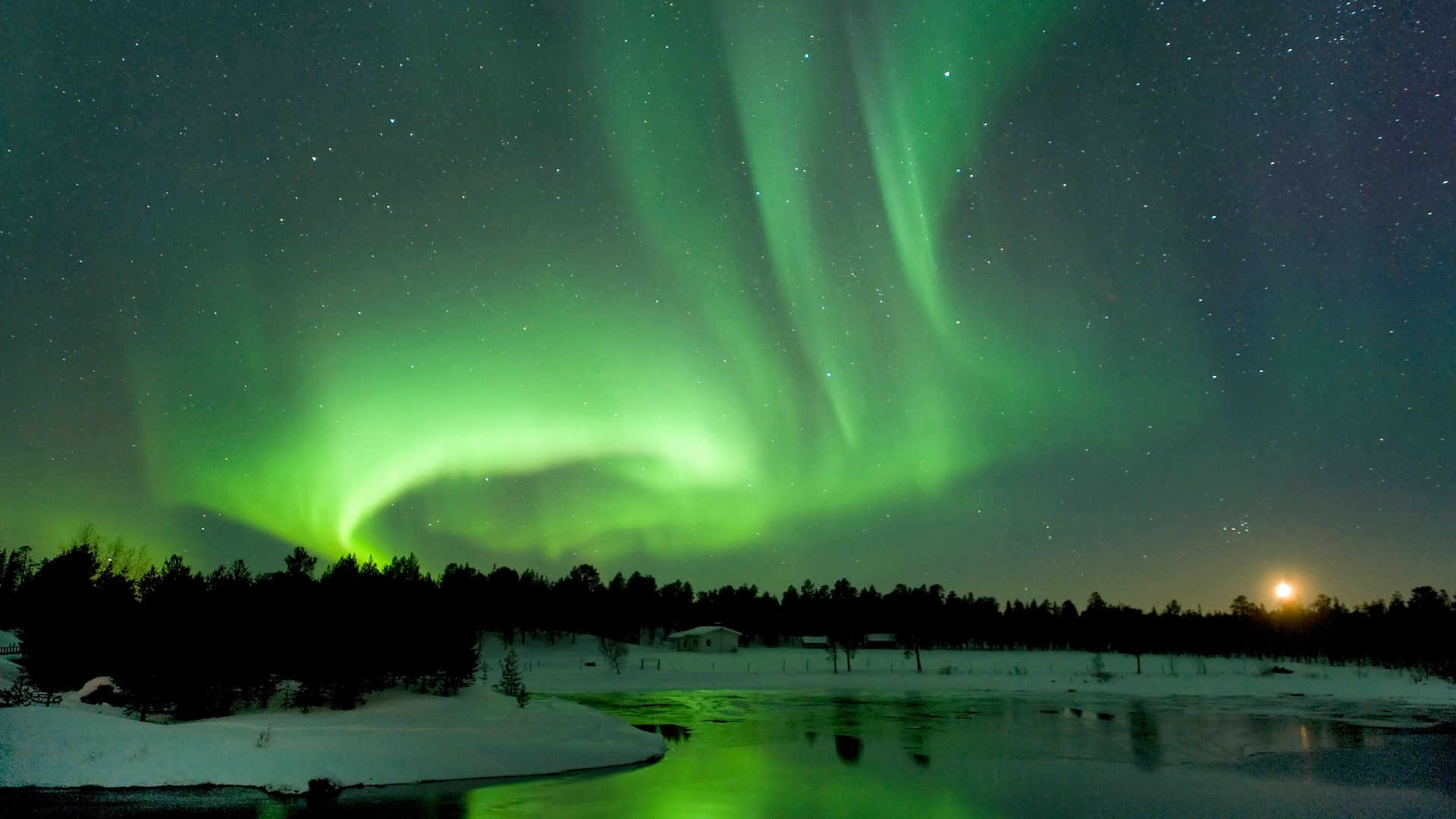
As 2024 draws to a close, the UK anticipates a potential celestial firework display: the Northern Lights. Throughout the year, the UK has experienced a surge in aurora borealis sightings, reaching further south than usual. A Coronal Mass Ejection (CME), a burst of solar energy, is predicted to interact with Earth’s magnetic field on December 31st, potentially triggering geomagnetic storms. These storms, while capable of disrupting satellites and radio signals, also hold the promise of illuminating the night sky with the mesmerizing aurora. The Met Office suggests that Scotland, Northern Ireland, and Northern England have the best chance of witnessing the display, though cloud cover may obstruct the view in some areas.
Paragraph 2: 2025: The Year of the Aurora?
While the New Year’s Eve aurora is not a certainty, 2025 offers even greater prospects for witnessing this natural spectacle. The sun is approaching its solar maximum, an 11-year cycle peak where solar activity intensifies, leading to more frequent and vibrant auroras. This peak is expected in July 2025, promising a once-in-a-decade opportunity to view the Northern Lights. The increased solar activity means more charged particles are released from the sun, which, upon interaction with Earth’s magnetic field, can be distributed further from the poles, making them visible at lower latitudes.
Paragraph 3: The Science Behind the Shimmering Lights
The aurora borealis, often referred to as the Northern Lights, is a breathtaking atmospheric phenomenon caused by the interaction of solar particles with Earth’s magnetosphere. CMEs, powerful eruptions from the sun, propel energized particles towards Earth. These particles, after a journey of two to three days, collide with Earth’s magnetic field, releasing trapped particles near Earth. This interaction triggers a reaction in the upper atmosphere, where oxygen and nitrogen molecules release photons of light, creating the vibrant colors of the aurora.
Paragraph 4: Solar Maximum and Enhanced Aurora Visibility
The solar cycle, an approximately 11-year period, governs the sun’s activity. During the solar maximum, the sun’s magnetic field becomes more complex, leading to increased sunspot activity, solar flares, and CMEs. These increased solar events result in a higher influx of charged particles interacting with Earth’s magnetosphere, expanding the range of aurora visibility beyond the usual polar regions. This explains why locations like London, typically outside the aurora zone, have reported sightings during periods of heightened solar activity.
Paragraph 5: Potential Impacts of Geomagnetic Storms
While auroras are a visually stunning phenomenon, the geomagnetic storms that often accompany them can have disruptive effects on technological infrastructure. These storms can interfere with satellite operations, disrupting communication and navigation systems. Radio signals can also be affected, potentially impacting radio communications. In extreme cases, particularly strong geomagnetic storms can induce electrical currents in power grids, leading to widespread blackouts. However, the geomagnetic storm associated with the predicted New Year’s Eve CME is expected to be minor to moderate, posing a relatively low risk of significant disruption.
Paragraph 6: Viewing Tips and Future Opportunities
For those hoping to glimpse the Northern Lights, finding a location with dark, clear skies away from city lights is crucial. Checking the aurora forecast, which predicts the likelihood and intensity of auroral activity, can increase your chances of witnessing the display. If the New Year’s Eve aurora proves elusive, the increased solar activity leading up to the 2025 solar maximum promises more frequent and intense auroral displays in the coming years, providing numerous opportunities to witness this captivating natural phenomenon. The heightened solar activity will likely make auroras visible across a wider geographical area, increasing the chances for people in lower latitudes to experience the magic of the Northern Lights.