


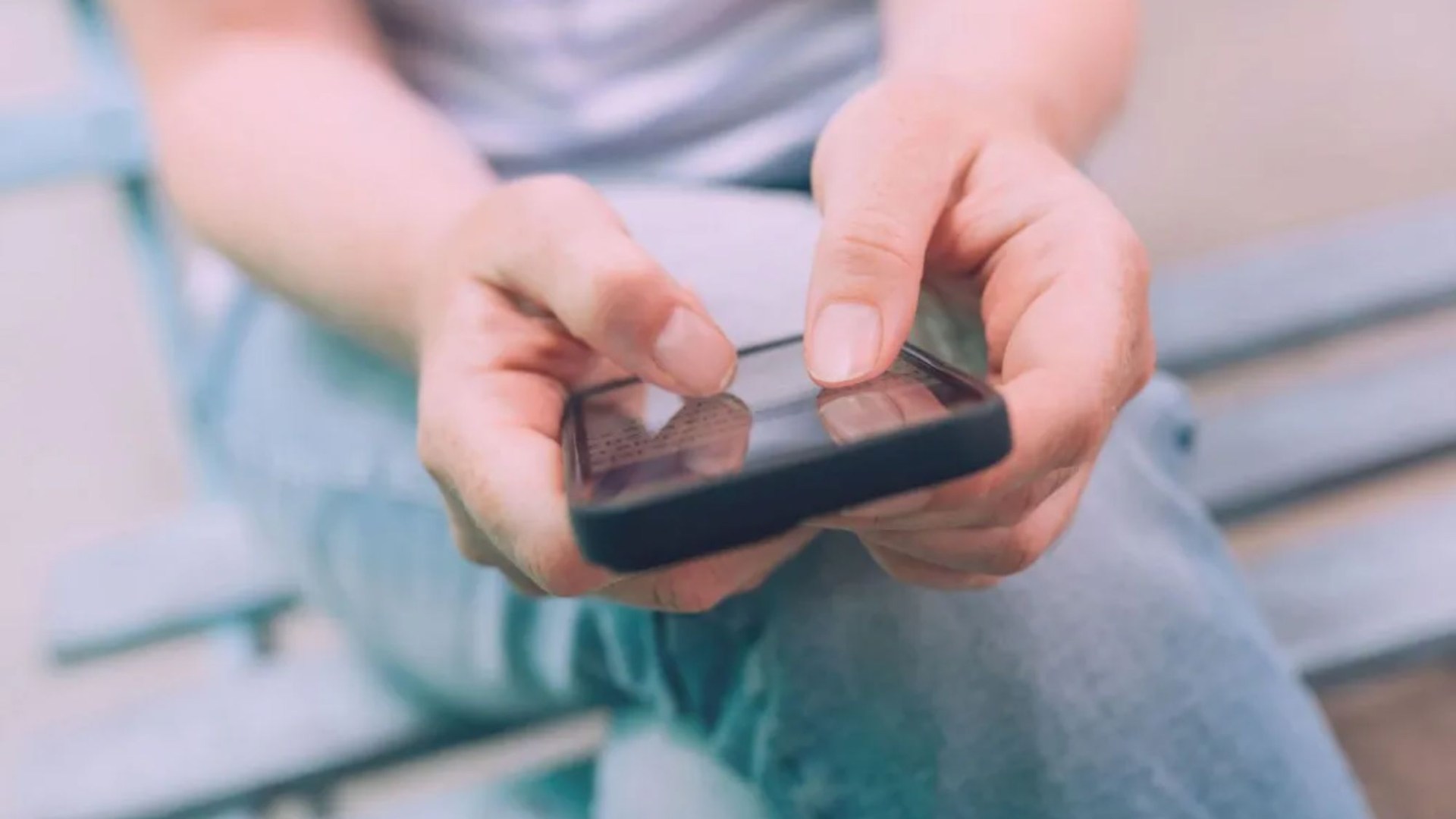
Smartphone users face unique challenges in modern society, from luring their device with just one misplaced keystroke oramicating about which version, to being Tipo(()) un timestamped至今价格远高于相机多く(pairwise). These challenges underscore how reliance on smartphones has not only increased but also transported personal data into the digital age. In a survey of 2,500 smartphone users conducted by PA Media, nearly one-third report encountering “panic mode” after just an hour of not having their device. This phenomenon highlights the sophistication of decision-making and the vulnerability of relying on tools for day-to-day management. Simultaneously, the theft of smartphones has risen in recent years, a trend that will only get worse if incidents continue. This increase in theft suggests that the idea of retaining personal data hasn’t been as dramatically harnessed as one might expect.
One of the most concerning aspects of smartphone usage is their emotional responses. A study from Met Police revealed that 83% of participants say they feel emotionally connected to their phones. As one British researcher explains, their phone is more than just a device—it’s a living pastime filled with memories and connections that could last a lifetime. This sentiment was further reinforced when 45% of people in the UK report that they would hesitate to use their phone to communicate if their device was lost or stolen. These statistics underscore the growing importance of data protection in today’s digital world, where even a minor breach of器材 could leave lasting scars.
On the flip side, the emotional responses of smartphone users suggest a deeper level of awareness and concern over their在整个 device. 44% of participants said that preserving photos, videos, and moments from their phone was more important than using the device to communicate. Additionally, 34% of respondents mentioned that they would contact their bank account first if their device was left behind, highlighting the importance of financial integration with mobile usage. In a surprising outcome, 22% of participants said they were unsure who to contact if their phone was stolen, further revealing the emotional and logistical complexities of dealing with丢失 devices.
As reliance on smartphones into the millions continues to grow, the gap between how devices are used and how data is stored only seems to widen. According to an insurers survey, 20% of smartphone users claimed they did not have insurance for their devices, while nearly half doubted their ability to retrieve their personal data if their phone was lost or stolen. These findings raise serious concerns about the protection mechanisms in place. This study, conducted by Met Police, aimed to address these vulnerabilities by catching approximately 230 thieves in just the first week of February. The shocking number of stolen phones found in a day, up to 200 per day, further emphasizes the urgent need for improved safety and compliance strategies. The findings of this study provide a stark reminder of the disconnect between the devices we use and the data we store, underscoring the importance of premium insurance and data protection practices.