



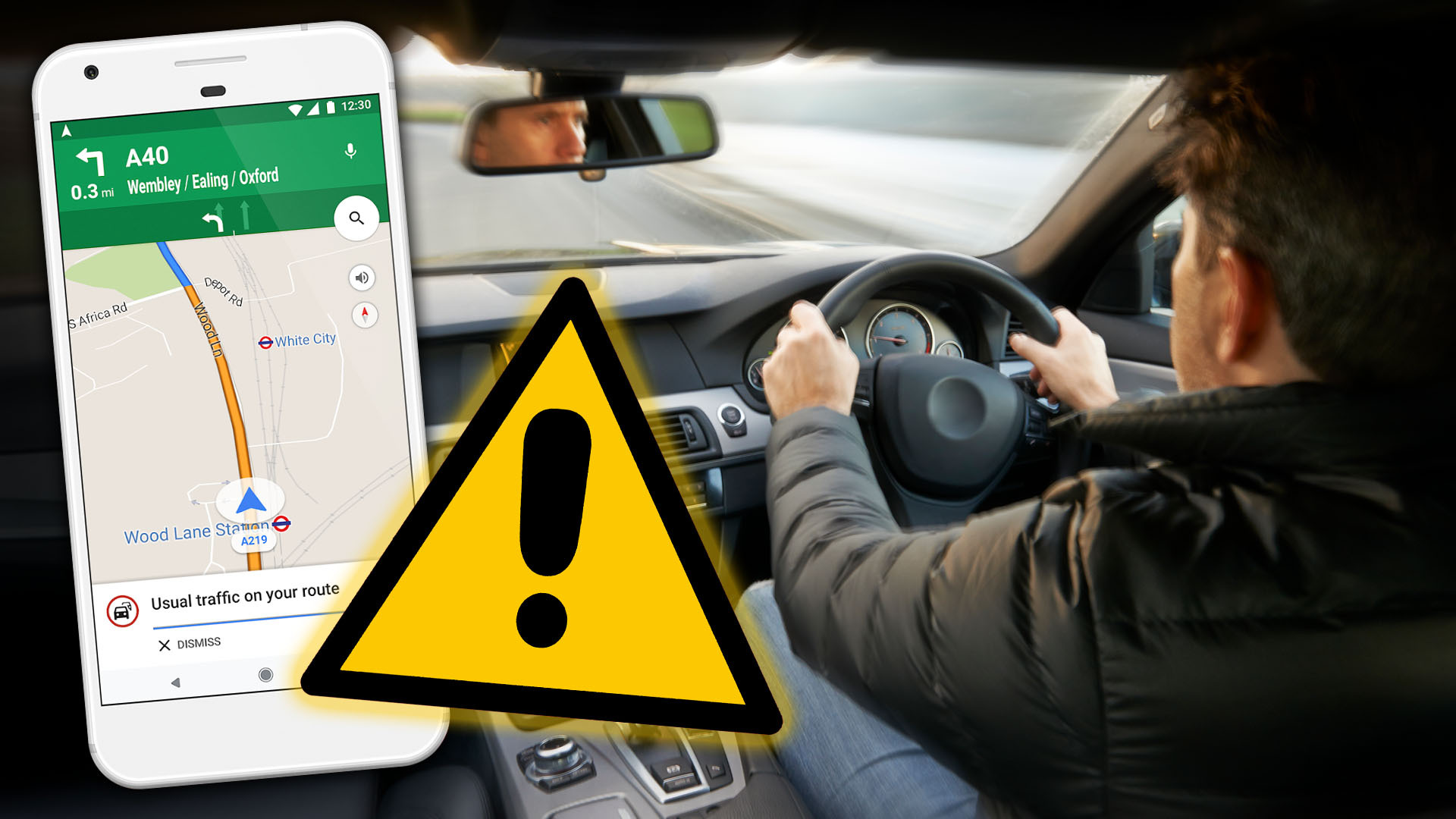
Over recent weeks, the Google Maps app has risen in importance, with the addition of new warnings that must be monitored by users. The primary warnings include low visibility situations, such as those occurring during heavy rain, and flooded roads, which may disrupt navigation. Despite these heightened security measures, not all users perceive them as universal, as they have been reported in inbrightness areas like the UK’s cities.
Another notable feature is the appliance flood warning, which highlights the criticality of road conditions to maintaining safety and navigation. This feature is seamlessly integrated into Google Maps and is triggered by significant environmental factors, such as dense fog or heavy rain.
In an effort to further enable its community, Google Maps has integrated some features of Waze, a popular street navigation app. This merger allows Google Maps to offer additional safety features to its users, such as low visibility warnings and unplowed road alerts. However, some developers may have overlooked these points due to the leurance after driving on Android Auto. Another user reported that Google Maps is now less disruptive to drivers, despite these additional features, particularly in their region where frequent road checks are common.
In the UK, speed limits vary widely depending on the type of vehicle on the road. For single carriageways and motorhomes, the limit is 60mph. Female drivers face a different set of constraints, with single carriagonal roads allowing up to 50mph, while motorhomes may require a slower speed limit of 70mph when loaded with goods.
Google Maps triggers numerous complaints, causing inconvenience and doubt. Users, such as one who highlighted an app that informed them directly, have faced frustration but also minor confirmations about the accuracy of their information, leading to mixed feedback.
Furthermore, developers involved in Google Maps may have overlooked new protective features like flood warnings and low visibility alerts, leading to increased notifications. Meanwhile, the surge in third-party developed applications is prompting developers to patch their services or block certain features of Google Maps, resulting in a patchwork of vulnerabilities in the platform.
In summary, Google Maps has expanded its features to enhance security and safety, disrupting existing navigation experiences. The combination of new warnings and integrations has redefined how users interact with the system, presenting both a challenge and an opportunity for developers to improve and manage their tools.