



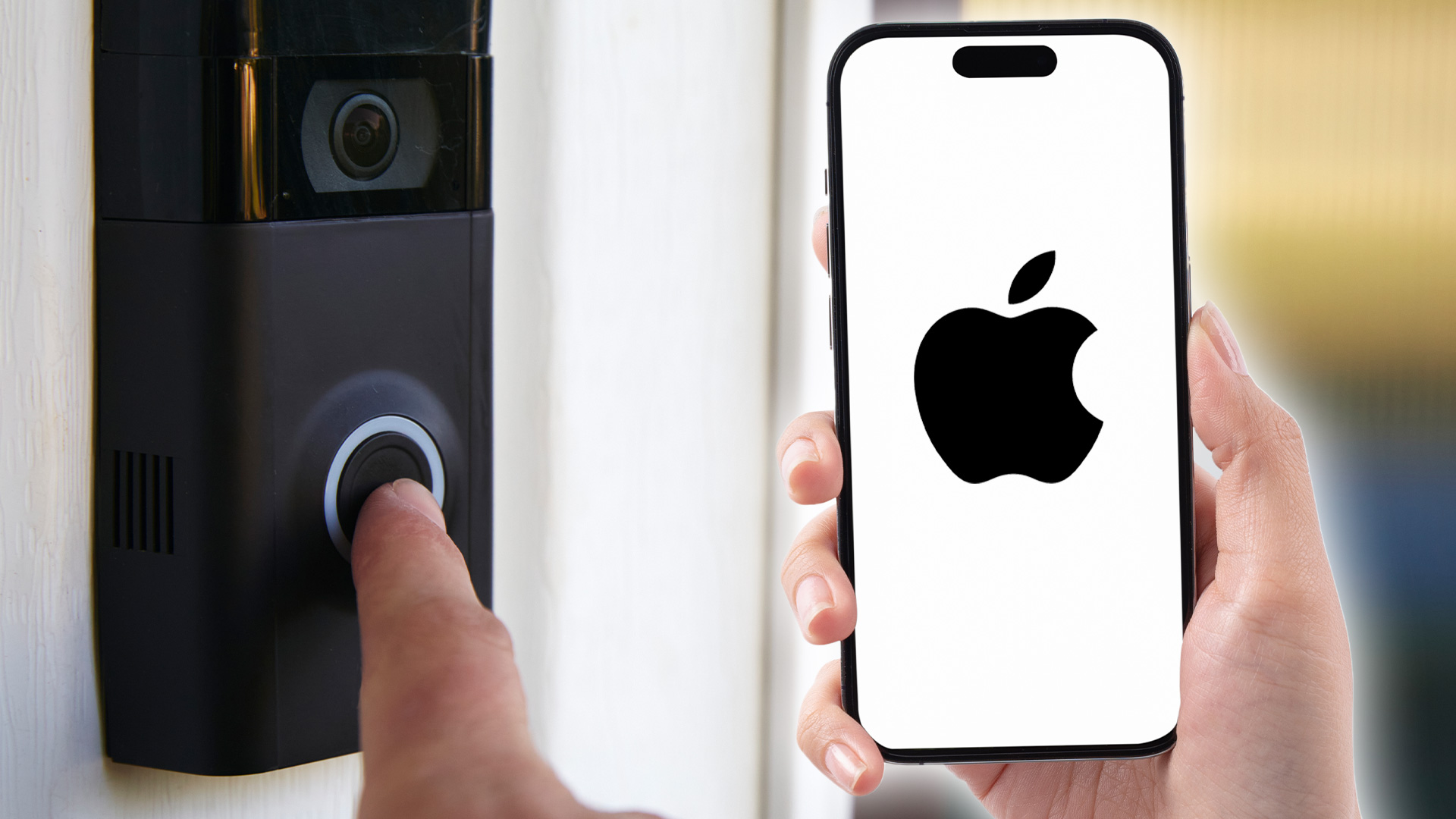
Apple is reportedly venturing deeper into the smart home market, aiming to challenge established players like Amazon’s Ring and Google’s Nest with its own line of security products, including a smart doorbell. This strategic move builds on Apple’s established brand reputation for prioritizing user privacy, a key differentiator in a market increasingly concerned about data security. The rumored smart doorbell is expected to integrate seamlessly with Apple’s ecosystem, allowing users to store video footage securely in their iCloud accounts. However, the most groundbreaking feature rumored to be in development is the integration of facial recognition technology, similar to Face ID used in iPhones, to unlock doors without the need for physical keys or even a smartphone. This innovative approach positions Apple’s smart doorbell as more than just a security camera, transforming it into a keyless entry system.
The proposed facial recognition system is expected to function by scanning the face of the person approaching the door and, upon successful authentication against a pre-approved list of individuals, automatically unlocking a compatible smart lock. This feature requires the homeowner to have a compatible smart lock installed, and while compatibility with existing third-party smart locks is a possibility, Apple might opt to partner with a specific manufacturer or develop its own smart lock to ensure seamless integration and optimize performance. This integrated system promises to offer enhanced security and convenience, eliminating the need for physical keys and providing a more streamlined entry experience.
The potential for Apple’s foray into the smart home market, particularly with a Face ID-enabled doorbell, represents a significant development in the industry. Leveraging its existing technological prowess and commitment to user privacy, Apple could disrupt the existing landscape and potentially set new standards for smart home security. The rumored integration of Face ID, a technology already familiar to millions of iPhone users, could significantly boost consumer confidence and adoption of smart home security products. This move could accelerate the wider adoption of smart home technology by addressing concerns around security and convenience.
However, the development of such a system also raises important considerations regarding privacy and security. Facial recognition technology, while convenient, has been the subject of intense debate regarding its potential for misuse and the implications for individual privacy. Apple’s commitment to privacy suggests that the company will likely implement robust security measures and privacy safeguards to mitigate potential risks and address public concerns. Striking a balance between enhanced security and protecting user privacy will be a crucial challenge for Apple as it develops this technology.
Further solidifying Apple’s commitment to expanding its presence in the smart home sector are reports of planned updates to existing products, including a new Apple TV set-top box and a revamped HomePod mini speaker. These updates indicate a broader strategy to strengthen Apple’s ecosystem and offer a more comprehensive suite of connected home devices. The anticipated release of a second-generation Apple Vision Pro, potentially at a lower price point, further underscores Apple’s ambition to capture a larger share of the emerging augmented reality and virtual reality market.
In addition to its smart home initiatives, Apple is also rumored to be developing its own version of smart glasses, potentially competing with Meta’s Ray-Ban offering. This move would further diversify Apple’s product portfolio and position it as a major player in the evolving landscape of wearable technology. The combination of these rumored products and updates suggests a significant push by Apple to broaden its reach beyond its core product lines and solidify its position as a leading technology innovator.