



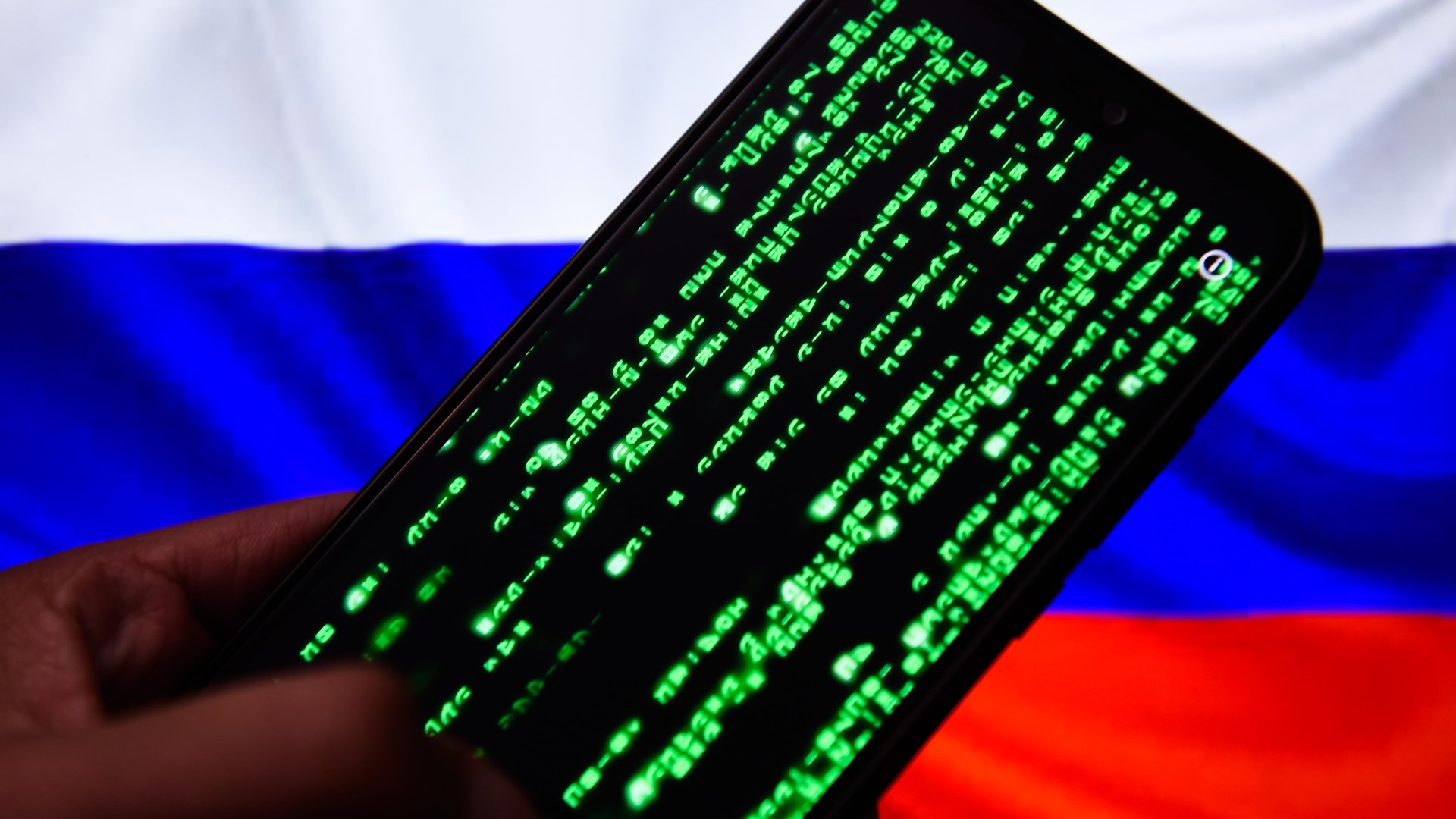
The cybersecurity landscape is constantly evolving, with new threats emerging regularly. Recently, a concerning development has surfaced: Russian cyber spies have been distributing malware targeting Android devices, enabling them to record phone calls, access photos, and gather sensitive personal information. This malware masquerades as legitimate applications, such as the popular messaging app Telegram and Samsung’s security platform, Knox. Two distinct strains of this malicious software have been identified: BoneSpy, active since 2021, and its more sophisticated successor, PlainGnome.
BoneSpy possesses a range of intrusive capabilities, including collecting text messages, recording audio and phone calls, tracking location data, capturing photos and screenshots, accessing browsing history, and reading notifications. PlainGnome inherits these features and adds further enhancements, making it significantly harder to detect. One such enhancement is its ability to record audio and phone calls only when the screen is off or idle, a stealthy tactic designed to avoid detection by the user. Both strains represent the first documented instances of Gamaredon, a cyber espionage group linked to Russia’s Federal Security Service (FSB), targeting mobile devices.
Neither BoneSpy nor PlainGnome has been found on the official Google Play Store, suggesting that the malware is being distributed through other channels and likely requires user interaction for installation. The primary vector for infection is believed to be social engineering, a deceptive tactic that manipulates individuals into taking actions that compromise their security. Social engineering attacks often involve phishing scams, where victims are tricked into clicking malicious links or downloading infected software. In this case, the guise of trusted applications like Telegram and Samsung Knox increases the likelihood of successful infiltration.
Once installed, these malware strains request extensive permissions, including access to text messages, camera, microphone, and location data. Since the malware disguises itself as legitimate software, users may unwittingly grant these permissions, unknowingly giving the attackers access to their personal information. This highlights the importance of carefully reviewing app permissions before granting them, especially for apps downloaded from sources outside the official app store. Furthermore, users should be wary of unsolicited messages or emails containing links or attachments, as these can be vectors for malware distribution.
Recognizing the signs of a malware infection is crucial for mitigating potential damage. Google provides a comprehensive list of indicators that suggest your Android device may be compromised. These include unexpected sign-out from your Google account, persistent pop-up ads, alerts about viruses or infected devices, malfunctioning antivirus software, significant decrease in device performance or storage space, and unusual browser behavior such as unwanted extensions, redirects to unfamiliar pages, or changes to your homepage or search engine. Additionally, if your contacts report receiving emails or messages from you that you didn’t send, it could be a sign that your account has been compromised.
Protecting yourself from malware requires vigilance and proactive security measures. Regularly updating your Android operating system and apps is crucial, as updates often include security patches that address known vulnerabilities. Installing a reputable mobile security app from a trusted source can provide an additional layer of protection, scanning for and removing malicious software. Furthermore, exercising caution when downloading apps, especially from sources outside the official app store, can significantly reduce your risk of infection. Always verify the authenticity of the source and be wary of apps requesting excessive permissions. Finally, staying informed about the latest cybersecurity threats and best practices can help you navigate the digital landscape safely and protect your personal information.