


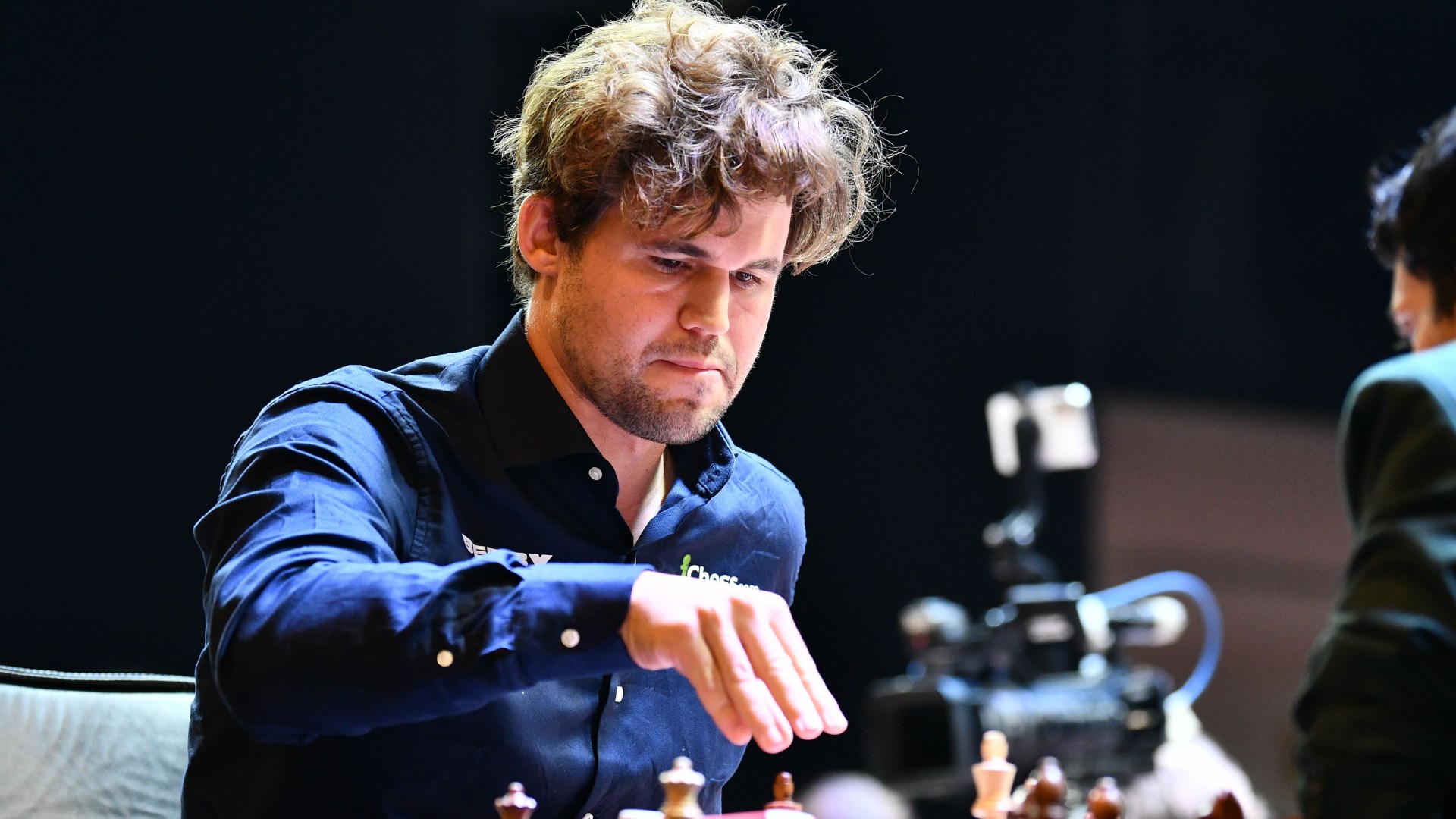
Magnus Carlsen, the five-time world chess champion and a prominent figure in the chess world, withdrew from the World Rapid and Blitz Chess Championships in New York following a dispute over his attire. The controversy arose when Carlsen arrived at the tournament wearing jeans, a violation of the FIDE (International Chess Federation) dress code, which mandates a more formal appearance to maintain professionalism and fairness among participants.
Carlsen explained that he had a prior lunch meeting and hurriedly changed clothes, unintentionally overlooking the jeans. He was subsequently fined £159 and warned that he would be excluded from further matches if he didn’t change his attire. Although offered the opportunity to change after the third round, Carlsen requested to do so the following day. However, FIDE insisted on immediate compliance, escalating the situation into a matter of principle for the grandmaster.
Standing his ground, Carlsen refused to change and withdrew from the championship. He expressed his indifference towards the fine and the warning, stating his age and experience allowed him to prioritize his principles. He perceived the situation as a standoff where neither party was willing to yield, and he accepted the consequences of his decision. Carlsen’s defiant response reflected his stance against what he perceived as an unreasonable demand. He indicated his plans to leave New York for a more pleasant climate, underscoring his lack of concern for the repercussions.
The incident illustrates a clash between individual expression and established regulations. Carlsen, a dominant figure in chess, seemed to challenge the stringent dress code, perhaps viewing it as unnecessarily formal for a game of intellect. His defiance might be interpreted as a statement against perceived rigidity in the chess world, emphasizing comfort and personal choice over strict adherence to tradition. This act also highlights the tension between established authorities and individual athletes who may question or challenge existing norms.
The FIDE dress code, while intended to ensure a professional and equitable environment, became the focal point of this controversy. Carlsen’s casual attire, though unintentional, was deemed a breach of the regulations, leading to sanctions. The rigidity of the enforcement, demanding immediate change despite Carlsen’s offer to comply later, possibly contributed to the escalation of the conflict. The incident raises questions about the necessity and flexibility of such regulations, particularly when they lead to the withdrawal of a key participant like the reigning world champion.
The repercussions of this incident extend beyond Carlsen’s withdrawal from the championship. It sparked a debate about the balance between upholding rules and accommodating individual circumstances. While FIDE aimed to maintain a certain standard of professionalism, Carlsen’s actions highlighted the potential for such rules to become inflexible and counterproductive. The incident also raises questions about the extent to which dress codes truly impact fairness and professionalism in intellectual competitions like chess. This incident, while seemingly minor, underscores the complexities of navigating individual expression and established norms within the professional sporting world.