


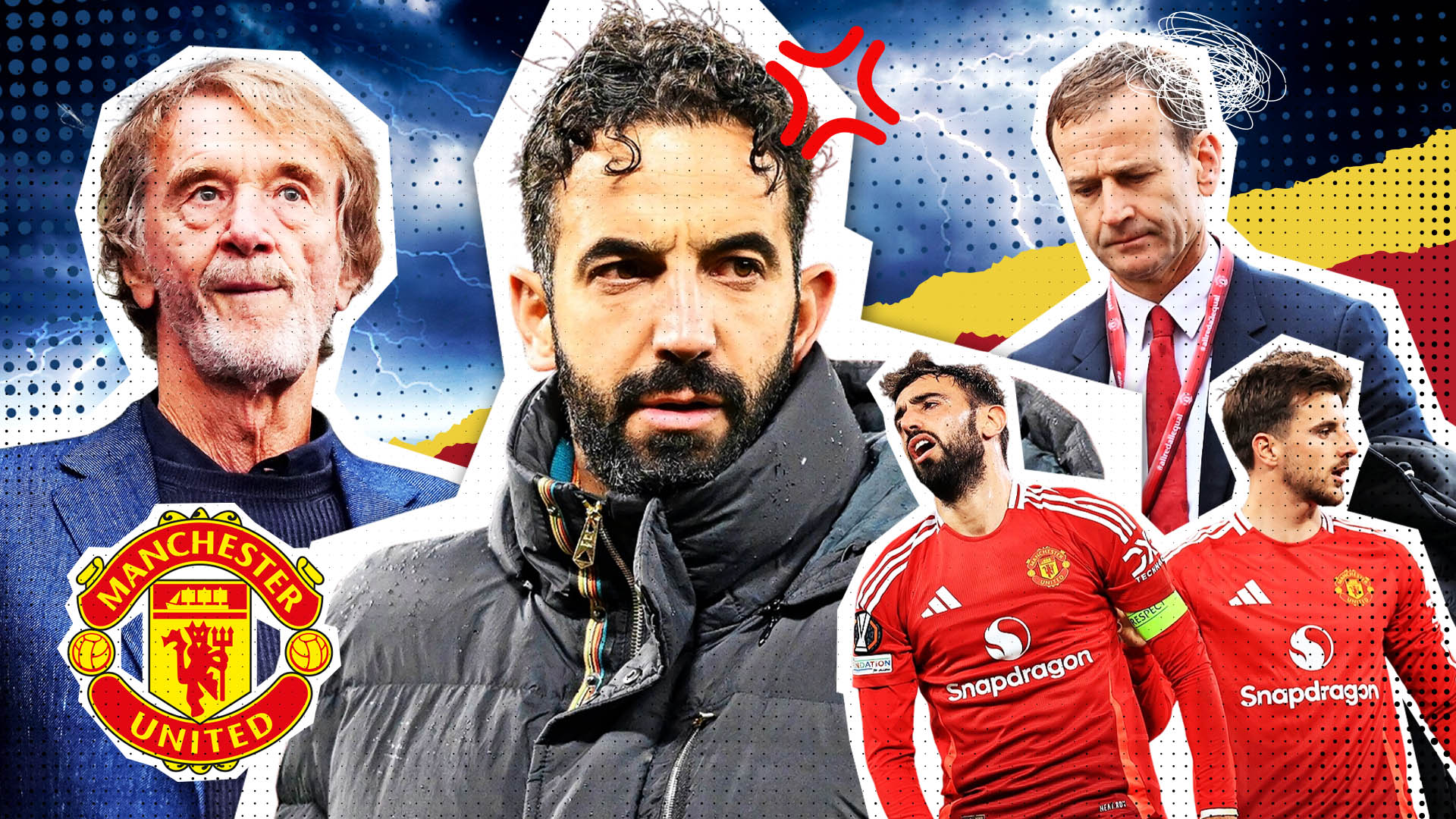
The Manchester United saga continues with the departure of Dan Ashworth, the club’s first Sporting Director, after a mere five months. His exit underscores the deepening dysfunction within the Old Trafford hierarchy, a tangled web of blame and indecision. Ashworth’s arrival was heralded as a key step in restructuring the club, but his brief tenure ended abruptly amidst reports of internal conflict and a perceived inability to navigate the complexities of the role. The club’s statement cited a “collaborative” decision reached after a “period of transition,” a thinly veiled admission of failure to integrate Ashworth into the existing power structure. His departure raises serious questions about the club’s leadership and strategic direction.
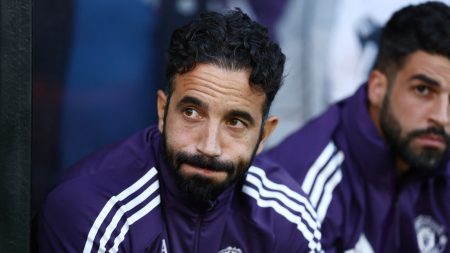
The blame game at Old Trafford is a vicious cycle. Chief Executive Omar Berrada and Ashworth initially pointed fingers at their predecessors, claiming they inherited a deeply flawed system. Meanwhile, Sir Jim Ratcliffe, the new part-owner, placed the onus of decision-making squarely on the shoulders of the executive team. Complicating matters further, reports suggest Ashworth clashed with the decision to appoint Ruben Amorim as head coach, allegedly preferring an English manager with Premier League experience. This internal discord, coupled with disastrous on-field performances, created an unsustainable environment culminating in Ashworth’s hasty exit.
The case of Joshua Zirkzee epitomizes the haphazard recruitment strategy plaguing Manchester United. Ashworth reportedly championed the £36.5 million signing despite reservations from then-manager Erik ten Hag. Zirkzee’s subsequent struggles and the club’s swift attempts to offload him highlight the disconnect between scouting, recruitment, and managerial preferences. This incident underscores a recurring theme at Old Trafford: expensive acquisitions failing to deliver expected results, further draining the club’s resources and exacerbating existing tensions.
Ratcliffe’s arrival was initially touted as a turning point for the club, a “liberating decree” that would usher in a new era of stability and success. The reality, however, has been far different. The club remains mired in a self-inflicted crisis, with no clear path forward. The vast sums spent on players since Sir Alex Ferguson’s departure, a staggering £1.6 billion, have yielded little return, leaving the club burdened with underperforming stars and a bloated wage bill. The current financial constraints, coupled with cost-cutting measures and payments to departing staff, severely limit the club’s ability to maneuver in the transfer market, leaving them stuck with a squad deemed inadequate by many.
Ashworth’s departure exacerbates the leadership vacuum at Old Trafford. His role was crucial for overseeing the much-needed restructuring, but his brief tenure yielded no tangible progress. Now, Jason Wilcox, previously focused on player recruitment, assumes greater responsibility, inheriting a depleted transfer budget and a squad desperately in need of an overhaul. The lack of funds for significant signings in the upcoming transfer windows further underscores the bleak outlook. The club’s predicament is stark: stuck with an underperforming squad, limited financial resources, and a leadership team seemingly incapable of charting a coherent course.
The instability at Manchester United is systemic and deeply ingrained. A revolving door of managers, executives, and technical directors have failed to arrest the club’s decline. While everyone seems to have an opinion on the solution, a unified vision and a coherent strategy remain elusive. The club’s statement about “constantly learning” about the best structure suggests a trial-and-error approach, a worrying sign for a club of Manchester United’s stature. The storm that Amorim predicted has indeed arrived, and the club appears ill-equipped to weather it. The departure of Dan Ashworth is just the latest chapter in a saga of mismanagement and missed opportunities, a stark reminder of the challenges facing the once-mighty Manchester United.