


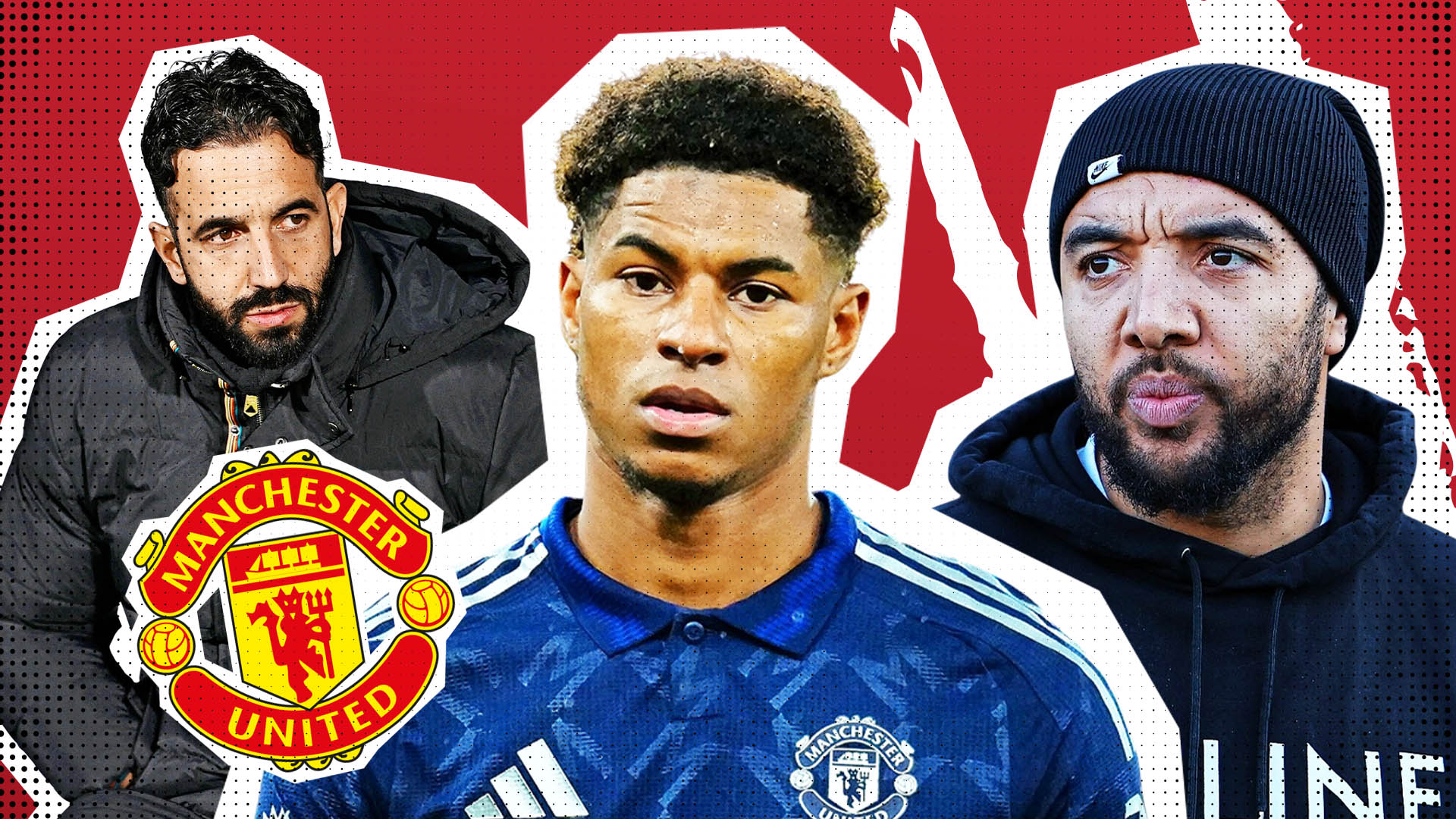
Marcus Rashford, a player brimming with potential, finds himself at a critical juncture in his career. His performances at Manchester United have been inconsistent, marked by flashes of brilliance interspersed with periods of apathy. Despite managerial changes, the underlying issue of Rashford’s fluctuating form remains unresolved, prompting concerns about his commitment and desire. At 27, he should be in his prime, possessing the physical attributes and skillset to excel as a modern winger or striker. However, his current application and attitude fall far short of expectations, drawing unfavorable comparisons to the unwavering dedication of veteran players like Jamie Vardy.
Rashford’s struggles appear to stem from a combination of factors. He seems burdened by external pressures, often deflecting blame and exhibiting a lack of accountability. United’s handling of his development, particularly the awarding of lucrative contracts despite inconsistent performances, has arguably contributed to a sense of entitlement and a lack of urgency to improve. The recurring pattern of initial improvement under a new manager followed by a regression to old habits further highlights a deeper issue. Rashford’s recent performances, including a subpar display against Viktoria Plzen and a lackluster appearance against Arsenal, have cemented concerns about his dedication and work ethic.
The question of Rashford’s future remains uncertain. His talent is undeniable, but his current form makes him a risky proposition for other clubs. His high wages and inconsistent performances make him a less attractive target, especially for top-tier teams that prioritize consistent effort and a positive attitude. A move abroad could offer a fresh start, but even then, his success hinges on a significant shift in his mindset and a willingness to take responsibility for his own progress. The parallels with other players who have experienced similar career trajectories, like Jesse Lingard, serve as a cautionary tale.
The environment at Manchester United, while often cited as a contributing factor to player struggles, doesn’t fully explain Rashford’s situation. Other players within the squad, including fellow academy graduate Kobbie Mainoo, demonstrate the hunger and commitment that Rashford currently lacks. This disparity suggests a more personal issue, a lack of intrinsic motivation and a failure to embrace the demands of professional football. The club’s reluctance to move on from Rashford, perhaps due to his status as a local talent and academy product, may inadvertently be enabling his complacency.
Rashford’s situation calls for a profound self-reflection and a renewed commitment to his craft. He needs to acknowledge his shortcomings, take ownership of his performances, and prioritize consistent hard work over fleeting moments of brilliance. The support of coaches and teammates is crucial, but ultimately, his resurgence depends on his own willingness to change. The path forward requires him to shed the burden of expectation, embrace the challenges, and rediscover the passion that once propelled him to prominence. The time for excuses has passed; the onus is now on Rashford to prove his critics wrong and fulfill his immense potential.
Meanwhile, the turmoil within Manchester United’s management adds another layer of complexity to the situation. The recent departure of sporting director Dan Ashworth, amidst reports of internal disagreements and blame-shifting, underscores the instability within the club. The ongoing power struggles and conflicting visions for the team’s future create a challenging environment for any player, particularly one struggling with form and confidence. The blame game between senior management figures, including chief executive Omar Berrada, Ashworth, and part-owner Sir Jim Ratcliffe, highlights the lack of a unified approach and the potential for these internal conflicts to further impact on-field performance. The uncertainty surrounding the managerial situation, with Ruben Amorim’s appointment reportedly not favored by Ashworth, adds to the sense of disarray. The club’s performance against Nottingham Forest, following a disappointing second-half collapse against Arsenal, further emphasizes the need for stability and a clear direction.