

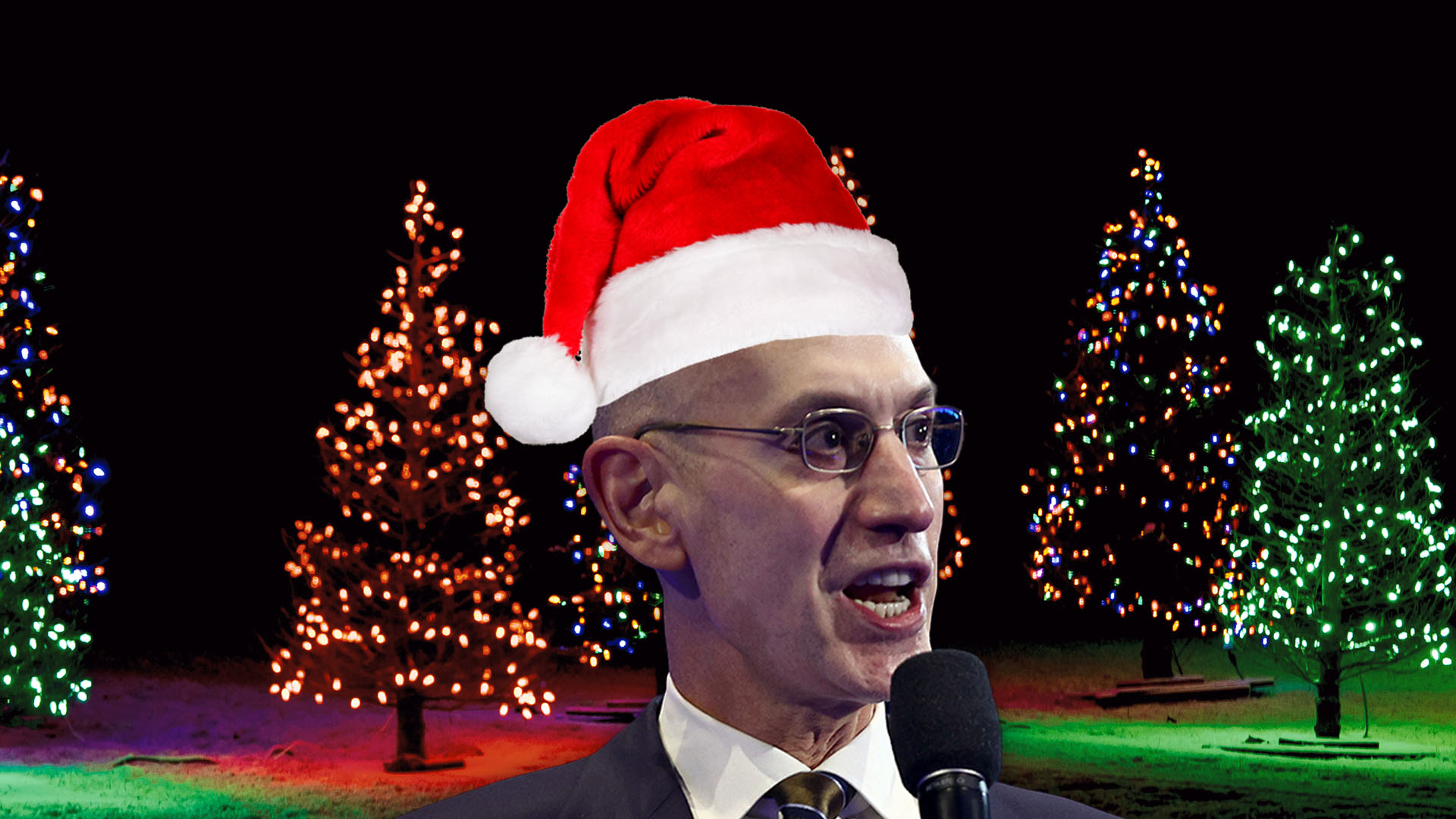
The NBA’s in-season tournament, aptly nicknamed “the FA Cup of basketball” by European fans, has quickly become a fixture in the league’s calendar, demonstrating a successful adaptation of a sporting concept traditionally foreign to American professional sports. Commissioner Adam Silver’s vision, inspired by the excitement surrounding single-elimination competitions like the FA Cup and March Madness, has breathed new life into the early regular season, typically a less captivating period for fans. The tournament structure, with its group stage followed by a knockout phase culminating in a Las Vegas finale, offers a compelling blend of regular season implications and playoff-like intensity. This unique combination has resonated with players and fans alike, solidifying the NBA Cup’s place in the league’s landscape.
The tournament’s success can be attributed to several key factors, including the strategic timing and the inherent appeal of a high-stakes competition. Positioned during a traditionally quieter stretch of the NBA calendar, between the season’s start and the Christmas Day games, the NBA Cup injects a dose of urgency and excitement into November and early December. This period, often characterized by less compelling matchups, is now energized by games carrying significant weight, captivating fans who might otherwise be passively following scores and highlights. The format, mirroring established single-elimination tournaments in other sports, adds a layer of unpredictability and excitement, offering fans a playoff atmosphere earlier in the season.
Furthermore, the NBA Cup has attracted significant financial backing, including a major sponsorship deal with Emirates, the same airline that sponsors the FA Cup, further solidifying the tournament’s legitimacy and potential for growth. This financial support not only validates the concept but also ensures its long-term viability and prominence within the NBA’s overall structure. The inclusion of the Cup games within the regular season standings adds another layer of strategic complexity for teams, as they must balance their focus between the tournament and the broader season objectives. This integration prevents the tournament from feeling like an exhibition and ensures that each game carries meaningful consequences.
The influence of European basketball, and its familiarity with secondary cup competitions alongside league play, has undoubtedly contributed to the NBA Cup’s reception. Players like Giannis Antetokounmpo, Luka Doncic, and Nikola Jokic, who grew up with the tradition of domestic cup competitions in their respective countries, likely found the concept familiar and appealing. This existing familiarity amongst some of the league’s biggest stars likely helped foster acceptance and excitement surrounding the tournament among their peers. The allure of a trip to Las Vegas for the final four, coupled with a substantial cash prize, provides further incentive for players to take the competition seriously.
Crucially, Commissioner Silver secured buy-in from the players early on, a critical element for the tournament’s success. The promise of a Las Vegas trip in December, combined with a sizable financial reward, captured the attention and motivated the league’s stars. This early endorsement from the players set a positive tone and ensured that the games would be played with the intensity and focus befitting a meaningful competition. The added layer of competition has undeniably elevated the excitement level of these games, translating to a more engaging viewing experience for fans.
Looking forward, the NBA’s challenge lies in maintaining the novelty and excitement surrounding the NBA Cup. While the first two seasons have proven successful, the league must ensure the tournament doesn’t become just another part of the regular season. Maintaining the balance between integrating the Cup into the regular season while also preserving its unique identity as a standalone competition will be crucial for its long-term success. Continued innovation and adjustments to the format, if necessary, will be vital to keeping the NBA Cup fresh and engaging for players and fans alike. The early returns, however, are undoubtedly positive, suggesting that the NBA Cup has found a place in the hearts of basketball fans and has the potential to become a cherished tradition in the years to come.