



Summary of Chess Community Interaction
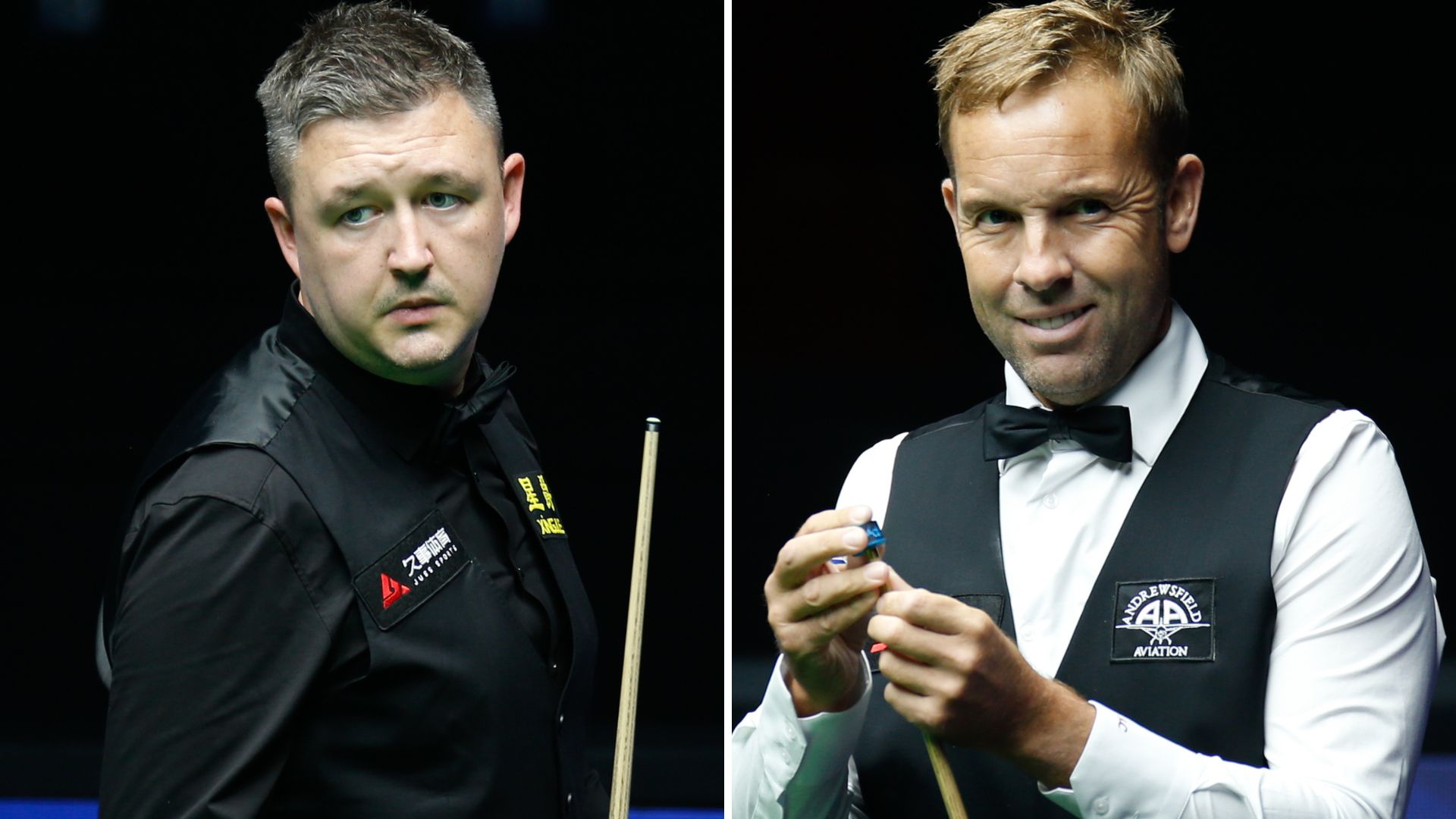
The conversation between Kyren Wilson and Ali Carter highlights the dynamic nature of social media, where players share their strategies, share their highlights, and connect with fans. Wilson and Carter’s interactions continue to evolve, reminiscent of the lively mess of one of the most well-known chess tournaments. Their back-and-forth reflects the diversity of chess players’ personalities and preparation levels, with each having their unique approaches to jiving in chess matches.
Wilson’s decision to open the match with a long pot left the door open for Carter, showcasing his adaptability and the flexibility of his play. As Wilson continues his strategy, Carter maintains his composure, indicating a calm and果断 approach to the game, which is typical of many players in a challenging environment. Their ability to adapt and integrate into each other’s strategies has been a critical factor in their success.
Carter’s focus on safety play is a hallmark of the game, and it reflects his preference for controlling the flow of the match. His ability to count and execute play accurately has been particularly impressive, with Carter often taking decisive turns when Wilson fails to do so. This part of their performance mirrors the experience of players in high-stakes tournaments, where coordinated play is essential for success.
Wilson’s persistence and determination have been evident in his tendency to take risks, creating potential for Carter to capitalize on. Carter’s ability to identify openings and play within them has been key to his victory in this match, demonstrating hisEvaluate skills and strategic vision. This section highlights the importance of thinking quickly and reacting strategically during matches, particularly in high-pressure scenarios.
As the game progresses, both players show their preference for maintaining control, with Carter often maintaining initiative when Wilson encounters any challenges. This part of their interaction underscores the dynamic nature of mensat play, where adapting to opponents’ moves is essential for making the most of your time. Carter’s ability to assess the position and stay forward reveals his superior tactical vision, which is a testament to his skill and adaptability.
Throughout the match, the players have shown a deep understanding of their opponents’ strengths and weaknesses. Wilson’s aggressive play has had its moments, but Carter’s composed and tactical approach has emerged as the more decisive factor. This balance of speed and control highlights the importance of adaptability in high-stakes games, especially in environments where miscomputation can have drastic consequences.
Overall, Wilson and Carter’s interaction serves as a fascinating glimpse into the often unpredictable and unpredictable nature of chess matches. It reflects the collaborative nature of players, where they communicate their thoughts and strategies to one another, and rely on each other to succeed. This scene not only captures the essence of chess but also reminds us of the enduring connection between players, even as public chat becomes a more prominent factor in the game.