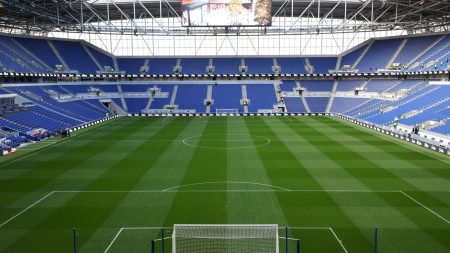


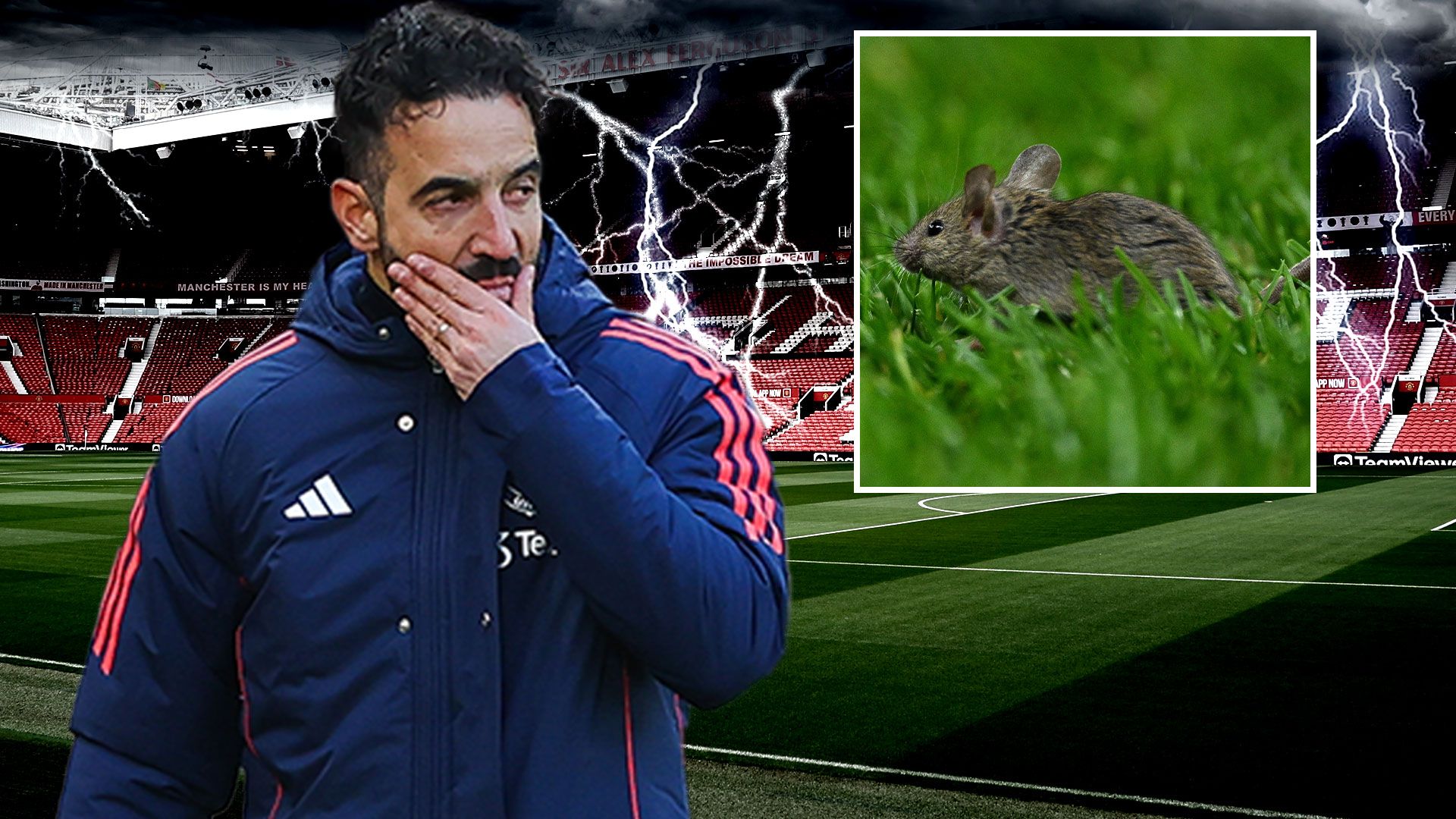
Old Trafford, the iconic home of Manchester United, is facing a PR nightmare amidst a rodent infestation. Hygiene inspectors recently discovered mouse droppings in various locations throughout the stadium, including food kiosks within the concourse area and a corporate suite at ground level. This discovery has led to a dramatic drop in the stadium’s hygiene rating from a respectable four stars to a dismal two stars, a far cry from the coveted five-star rating denoting excellence. The incident raises serious concerns about the sanitation and upkeep of the stadium, particularly concerning food safety and the overall fan experience. The location of Old Trafford, situated between a railway line and a canal, is believed to be a contributing factor to the rodent problem. This isn’t the first time the stadium has grappled with pest control issues; last month, fans reported sighting a deceased rat beneath a seat, further highlighting the ongoing challenge.
Manchester United officials are taking steps to address the infestation. They’ve partnered with pest control professionals who are reportedly making up to five visits per week to the stadium. The club’s aim is to eradicate the rodent problem and restore their hygiene rating to the maximum five stars, a standard met by most Premier League clubs. This renewed effort comes after a previous hygiene rating of just one star issued last year following an incident in which guests were allegedly served raw chicken and subsequently fell ill. The recent four-star rating, achieved only in November, was seen as a step in the right direction, but the current rodent infestation represents a significant setback in the club’s efforts to regain its prestigious standing both on and off the pitch.
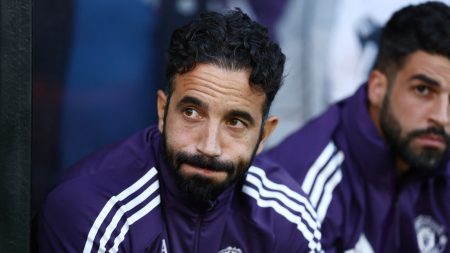
The rodent issue is just the latest in a series of problems plaguing Old Trafford. The stadium’s aging infrastructure has been a source of concern for fans and officials alike. Recent incidents include leaks from the roof, which were evident during a press conference with Sporting Lisbon manager Ruben Amorim and several matches, with water cascading down onto spectators during games. These issues underscore the need for significant improvements to the stadium. Beyond the rodent infestation and leaky roof, fans have long called for renovations to the stadium, suggesting that the “Theatre of Dreams” could use a significant overhaul.
The culmination of these issues has fueled discussions about the future of Old Trafford. British billionaire and INEOS CEO, Sir Jim Ratcliffe, a lifelong Manchester United fan who is vying to buy the club, has proposed a potential solution: building a brand new, state-of-the-art stadium costing an estimated £2 billion. This ambitious plan would involve demolishing Old Trafford and constructing a new, larger venue with a capacity of around 100,000 in its place. Ratcliffe envisions not just a new stadium but a comprehensive regeneration of the surrounding Trafford area. The proposed project aims to provide a modern and world-class facility befitting a club of Manchester United’s stature and global recognition.
The club is currently exploring options for the stadium’s future, having considered both renovation and rebuilding. Initial plans suggested keeping Old Trafford as a smaller, secondary venue, but the current trajectory seems to favor complete demolition. Manchester United consulted with approximately 30,000 fans to gauge their opinions on the matter, finding a roughly even split between those who prefer to stay at the historic Old Trafford and those who support a move to a new stadium. The club has enlisted the expertise of Foster + Partners, the architectural firm behind Wembley Stadium, to develop a “masterplan” for the project. The target completion date for the new stadium, should it proceed, is 2030.
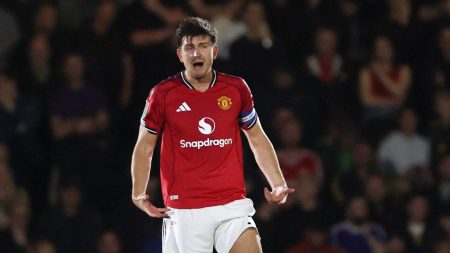
The challenges facing Old Trafford, from the rodent infestation to the aging infrastructure, mirror the club’s current struggles on the pitch. Manchester United have experienced a disappointing run of form, losing four of their last six matches, including a demoralizing 3-0 home defeat to Bournemouth. They currently sit 13th in the Premier League table with just six wins in 17 games. A challenging festive fixture list awaits, with matches against Newcastle, Liverpool, and Arsenal looming, adding to the pressure on the team and management. The combination of on-field struggles and off-field issues creates a sense of urgency for Manchester United, emphasizing the need for significant changes to restore the club to its former glory both on and off the pitch.