


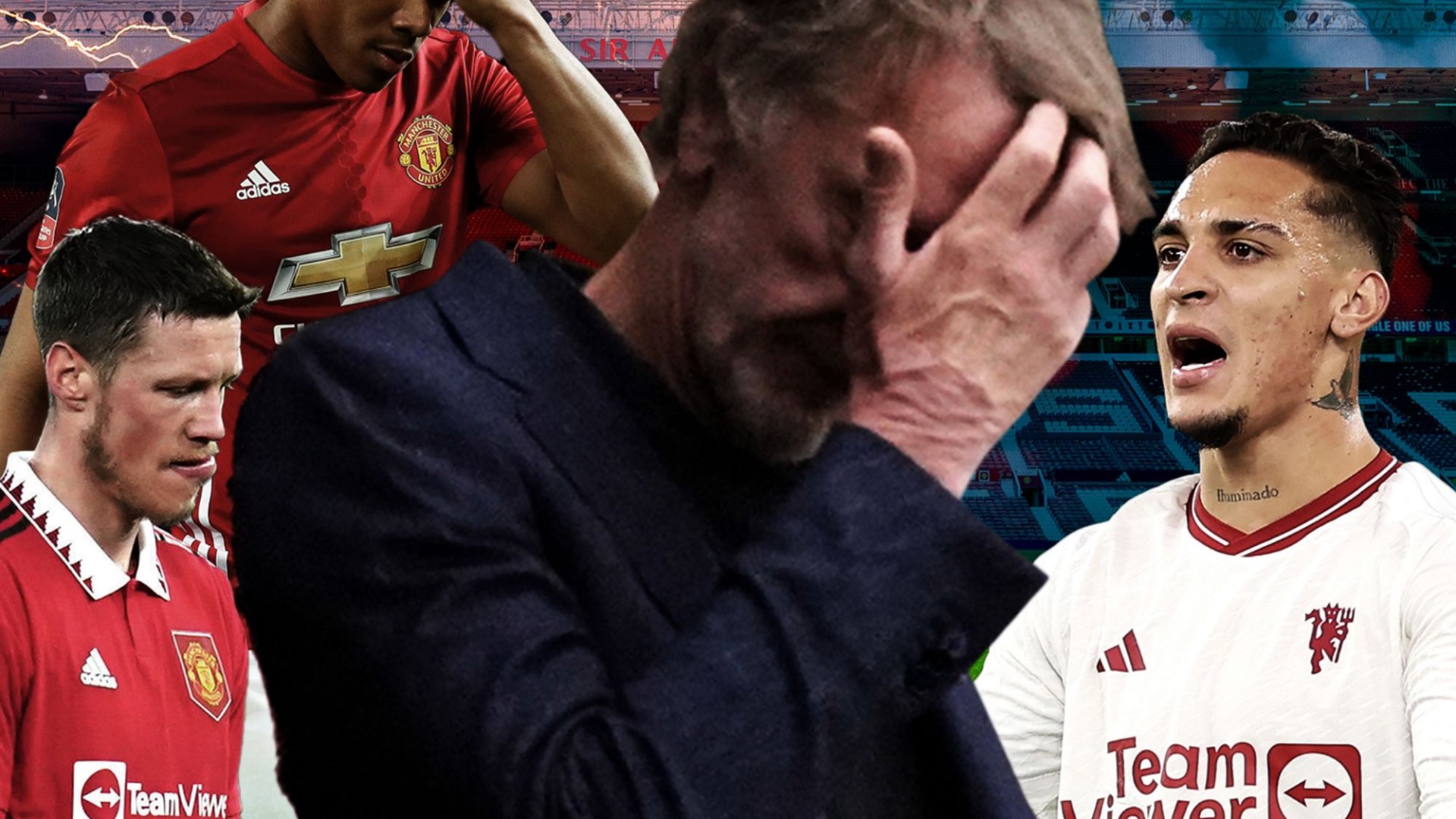
Sir Jim Ratcliffe, the billionaire industrialist and co-owner of Manchester United, delivered a candid assessment of the club’s current state, labeling it “mediocre” and stressing the need for “difficult and unpopular decisions” to restore its former glory. Ratcliffe’s comments followed a controversial decision to raise the minimum price for unsold Premier League tickets to £66, regardless of age, drawing criticism from fans. He acknowledged the emotional nature of ticket pricing but emphasized the necessity of balancing community considerations with the financial realities of competing at the highest level. Ratcliffe pointed to the club’s decade-long drift away from elite status, contrasting its current performance with the successes achieved under Sir Alex Ferguson. He emphasized that significant changes, both structural and financial, are required to return Manchester United to the pinnacle of football.
Ratcliffe highlighted the importance of improving the club’s financial health, which he described as unsustainable due to recent losses. He stated that financial stability is essential for investing in top-tier players and competing for major trophies like the Champions League and Premier League. He further noted that the club needs to operate more efficiently, maximizing every pound to enhance its capacity for player investment. Ratcliffe acknowledged the inherited financial challenges and emphasized that rectifying the situation will take time. He underscored the commitment to balancing responsible financial management with the need to invest in the squad.
Addressing the recent ticket price increase, Ratcliffe defended the decision, stating that it impacted only three percent of the tickets. He acknowledged the need to ensure affordability for local fans but also stressed the importance of optimizing ticket revenue to fund the club’s ambitions. Ratcliffe argued that Manchester United tickets should not be priced lower than those of less successful clubs like Fulham. He reiterated his understanding of the concerns of local fans, particularly those from working-class backgrounds like himself, but emphasized the necessity of finding a balance between affordability and revenue generation.
Ratcliffe also criticized the club’s recruitment strategy in recent years, claiming it lacked the data-driven approach necessary to compete with the world’s best. He stated that Manchester United’s data analysis capabilities were lagging behind, placing them in the “last century” compared to other top clubs. He emphasized the critical role of data analysis in modern football recruitment and the need for Manchester United to catch up. He stressed the need to attract the best recruitment personnel globally, acknowledging that building a world-class recruitment system is a complex process that takes time.
Beyond recruitment, Ratcliffe highlighted the importance of operational efficiency. He believes that streamlining operations and maximizing resources will free up more funds for player investment. He identified three key areas for improvement: recruitment, data analysis, and financial management. He acknowledged the interconnectedness of these areas, emphasizing that improving recruitment depends on enhancing data analysis capabilities, and sound financial management creates the resources for both. Ratcliffe envisions a Manchester United where staff morale is driven by on-field success, fostering a culture of high performance.
Ratcliffe also touched on his relationship with the Glazer family, the club’s majority owners. While acknowledging their unpopularity amongst fans, he described them as “nice people” and “genuine fans of the club.” He suggested that their intentions are good, despite the widespread criticism they have faced. This nuanced perspective on the Glazers, coupled with his frank assessment of the club’s current state, provides insight into Ratcliffe’s approach to co-ownership. He seemingly aims to balance respecting existing leadership with driving the necessary changes to propel Manchester United back to the top tier of football. His comments suggest a long-term vision, acknowledging that rebuilding a club of Manchester United’s stature requires time, strategic investment, and difficult decisions.