


The resurgence of the European Super League, rebranded as the “Unify League,” has reignited debates about the future of European club football. A22 Sports, the driving force behind the project and backed by Real Madrid chairman Florentino Perez, has presented a revamped format designed to address the criticisms that sunk the initial proposal in 2021. The new model proposes a four-tiered structure – Star, Gold, Blue, and Union – encompassing 96 teams. Crucially, this iteration incorporates promotion and relegation, ensuring that participation is merit-based, unlike the closed-shop nature of the original plan. Up to ten Premier League clubs have reportedly expressed private interest in joining, hinting at a potential seismic shift in the European football landscape. While participation wouldn’t preclude continued involvement in domestic leagues, it effectively marks a challenge to UEFA’s Champions League, Europa League, and Conference League tournaments. A22 claims its proposal aligns with a recent European Court of Justice ruling, bolstering their confidence in securing UEFA’s approval.
The Unify League promises more matches and increased revenue compared to the existing UEFA competitions. A substantial solidarity fund of £330 million has been earmarked for smaller clubs and national associations, alongside a projected prize pool exceeding the combined value of the current UEFA competitions. While the specifics remain undisclosed, the financial implications are undeniable, potentially attracting clubs seeking greater financial stability and influence. The proposal emphasizes meritocratic principles, addressing a key concern from the 2021 debacle. However, the long-term impact on domestic leagues and the broader football ecosystem remains a subject of intense scrutiny. The proposal’s success hinges on navigating complex legal and political hurdles, as well as winning over fans who remain skeptical after the previous attempt.
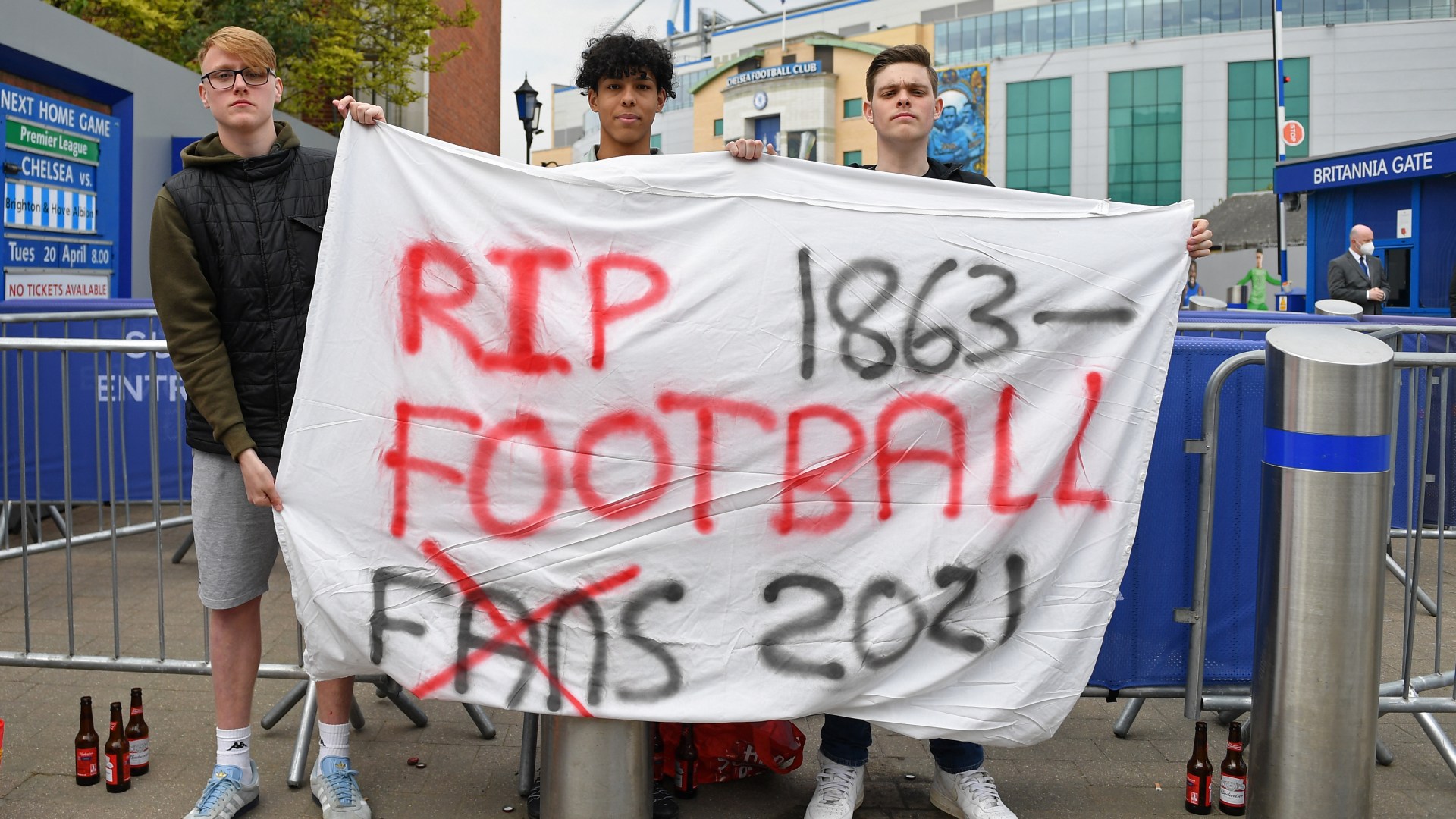
The initial Super League proposal in April 2021 faced immense backlash from fans, players, and governing bodies, ultimately leading to its collapse within 48 hours. The closed-shop format, guaranteeing permanent spots for elite clubs, was widely condemned as anti-competitive and damaging to the integrity of football. The current proposal seeks to address these concerns with the introduction of promotion and relegation, aligning with the fundamental principles of sporting meritocracy. However, questions remain about the distribution of power and revenue, and whether the proposed system will truly create a level playing field.
While the Unify League framework aims to address some of the previous criticisms, it raises new questions about the balance of power within European football. The potential for increased revenue for participating clubs could exacerbate existing financial disparities and further stratify the football pyramid. The relationship between the Unify League and domestic leagues, particularly the Premier League, also remains unclear. Will the increased fixture congestion compromise the integrity of domestic competitions, or will clubs prioritize the potentially more lucrative Unify League? The answers to these questions will determine the long-term impact of this new proposal.
Public opinion and fan engagement will play a crucial role in determining the fate of the Unify League. The 2021 backlash demonstrated the power of fan activism in shaping the future of football. Winning over skeptical fans will be essential for A22’s success. The proposed format, with its emphasis on merit-based participation and increased matches, aims to address some of the earlier criticisms. However, concerns remain regarding the concentration of power and wealth among elite clubs. Striking a balance between financial viability and preserving the competitive spirit of the game will be paramount.
The political and legal landscape surrounding the Unify League is complex. A22 is seeking official recognition from FIFA and UEFA, but the governing bodies’ response remains uncertain. The European Court of Justice ruling cited by A22 adds another layer of complexity. While the ruling may support A22’s argument, it does not guarantee the success of their proposal. The involvement of national governments, particularly in the UK with its ongoing work on an independent football regulator, further complicates the matter. Navigating these political and legal challenges will be crucial for the Unify League’s viability.