



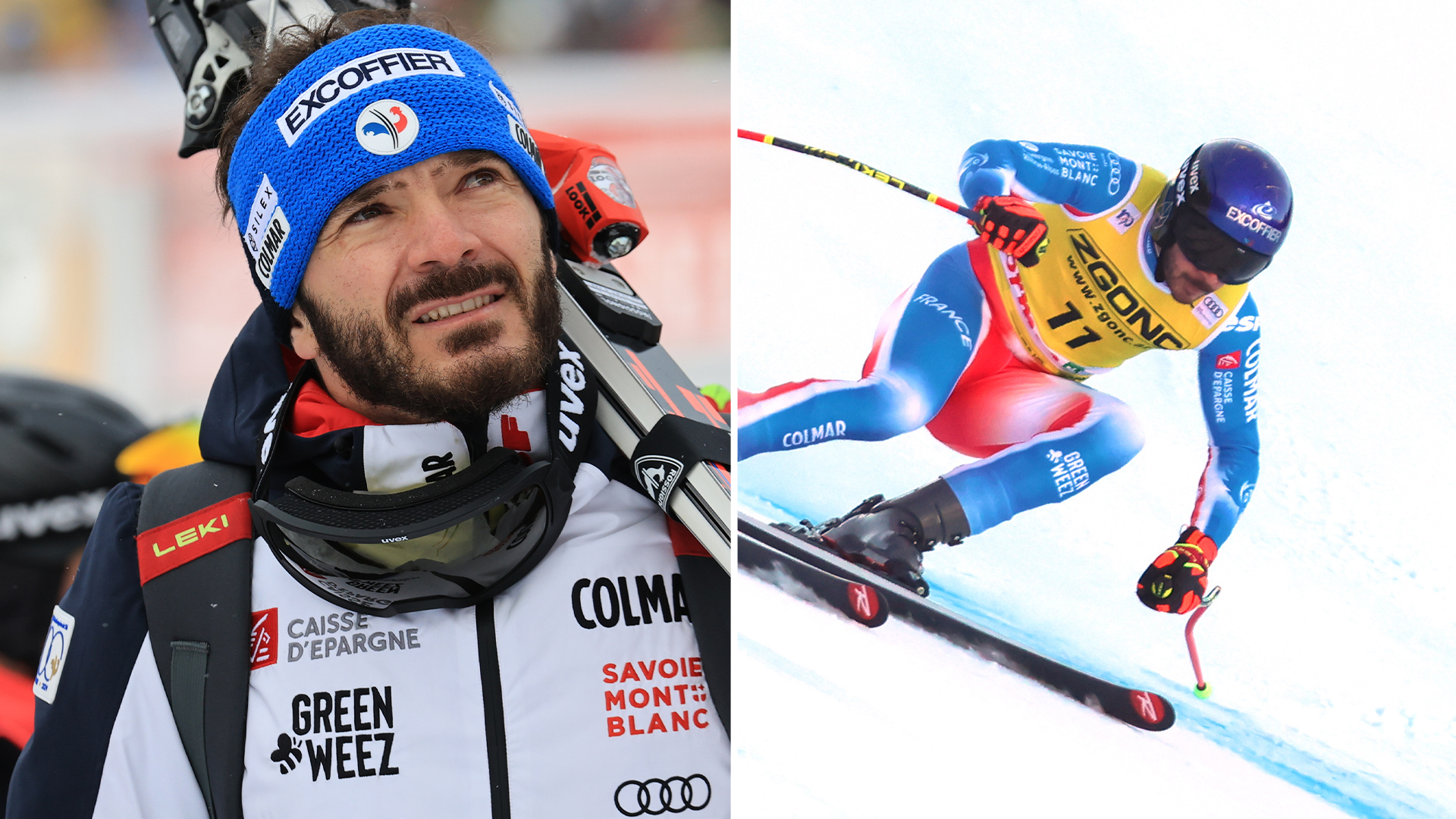
The French ski team and the international skiing community were thrown into a state of anxiety on Friday during a World Cup downhill training session in Bormio, Italy, as skier Cyprien Sarrazin suffered a severe head injury. The incident occurred on the formidable Stelvio slope, a course renowned for its challenging terrain and scheduled to host the downhill event at the 2026 Winter Olympics. Sarrazin’s crash resulted in a subdural hematoma, a dangerous condition involving bleeding near the brain. He was swiftly airlifted to a nearby hospital for immediate medical attention and underwent surgery later that evening. The accident has raised serious concerns about the safety of the Stelvio course, particularly given its upcoming role in the Olympics.
Sarrazin, a seasoned skier at 30 years old, was conscious following the crash, but the severity of the subdural hematoma necessitated urgent medical intervention. The French ski federation confirmed his diagnosis and the subsequent surgical procedure, emphasizing the seriousness of the injury. The incident cast a shadow over the training session, highlighting the inherent risks associated with downhill skiing, especially on demanding courses like the Stelvio. The steep gradients, icy conditions, and high speeds inherent in downhill racing contribute to the potential for severe injuries, making safety a paramount concern for athletes and organizers alike.
The Stelvio slope, situated in the Italian Alps, is notorious for its challenging characteristics, including its length, steepness, and numerous jumps and turns. Its reputation as one of the most technically demanding downhill courses in the world is well-established, and this incident further underscores the inherent dangers it poses. While thrilling for spectators, the Stelvio’s demanding nature necessitates meticulous course preparation and stringent safety measures to mitigate the risks to athletes. The crash involving Sarrazin has ignited a debate about the adequacy of these measures, particularly in light of the upcoming 2026 Winter Olympics.
Adding to the day’s misfortunes, two other skiers also suffered significant injuries during the training session. Italian skier Pietro Zazzi sustained a compound fracture of his right tibia and fibula, requiring helicopter transport to a hospital in Milan for surgery. Swiss skier Josua Mettler also crashed and was sent home for further evaluation of a knee injury. These multiple incidents on the same day have amplified concerns about the safety of the Stelvio course and the potential for similar incidents during the Olympics.
The string of accidents has prompted strong reactions from within the skiing community, with some athletes questioning the suitability of the Stelvio for such a high-profile event. French skier Nils Allegre, Sarrazin’s teammate, voiced his concerns publicly, criticizing the course preparation and questioning the ability of the organizers to ensure athlete safety. His pointed remarks, expressing skepticism about the organizers’ competence and suggesting they don’t deserve to host the Olympics, underscore the level of concern within the skiing community.
The incidents during the World Cup training session have cast a pall over the preparations for the 2026 Winter Olympics, raising serious questions about the safety of the Stelvio downhill course. The injuries to Sarrazin, Zazzi, and Mettler highlight the inherent risks of downhill skiing, particularly on challenging courses like the Stelvio. The ensuing debate about course preparation and safety protocols will undoubtedly influence the planning and execution of the downhill event at the Olympics. The International Ski Federation (FIS) and the local organizing committee will face pressure to implement measures that ensure the safety of the athletes while preserving the integrity and excitement of the competition. The balance between challenging athletes and protecting their well-being is a delicate one, and the events in Bormio have brought this issue to the forefront.