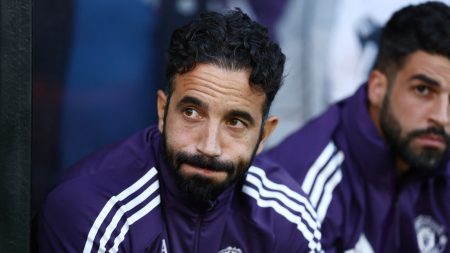



Gary Neville’s critique of Marcus Rashford and Alejandro Garnacho stemmed from their perceived lack of effort and substandard performances, culminating in their exclusion from the Manchester United squad for the derby against Manchester City. Neville believed their omission served as a clear message from manager Ruben Amorim regarding the importance of maintaining high standards both on and off the pitch. He interpreted their absence as a direct consequence of a lack of engagement with teammates and a drop in training intensity, essentially “moping around.” Neville emphasized that this behavior should not be tolerated and commended Amorim for taking decisive action. He expressed his hope that Rashford and Garnacho would use this experience as motivation to elevate their game and prove their commitment to the team. Neville reiterated the non-negotiable nature of giving one’s all, emphasizing that a lack of effort has no place at a club like Manchester United.
Neville’s primary concern revolved around the two wingers’ lack of tracking back and defensive contribution. He cited instances where they failed to diligently fulfill their defensive duties, allowing opposing full-backs to advance unchecked. He contrasted this with the expected standards at Manchester United, where regardless of talent or reputation, every wide player is expected to contribute defensively with the same intensity as they do offensively. Drawing parallels to legendary United wingers like Andrei Kanchelskis, Ryan Giggs, David Beckham, and Nani, Neville stressed the importance of relentless effort in both attacking and defending. He implored Rashford and Garnacho to embrace this message and strive to become indispensable members of the squad. He believed their talent and ability were undeniable, but without the requisite work ethic, they risked jeopardizing their future at the club.
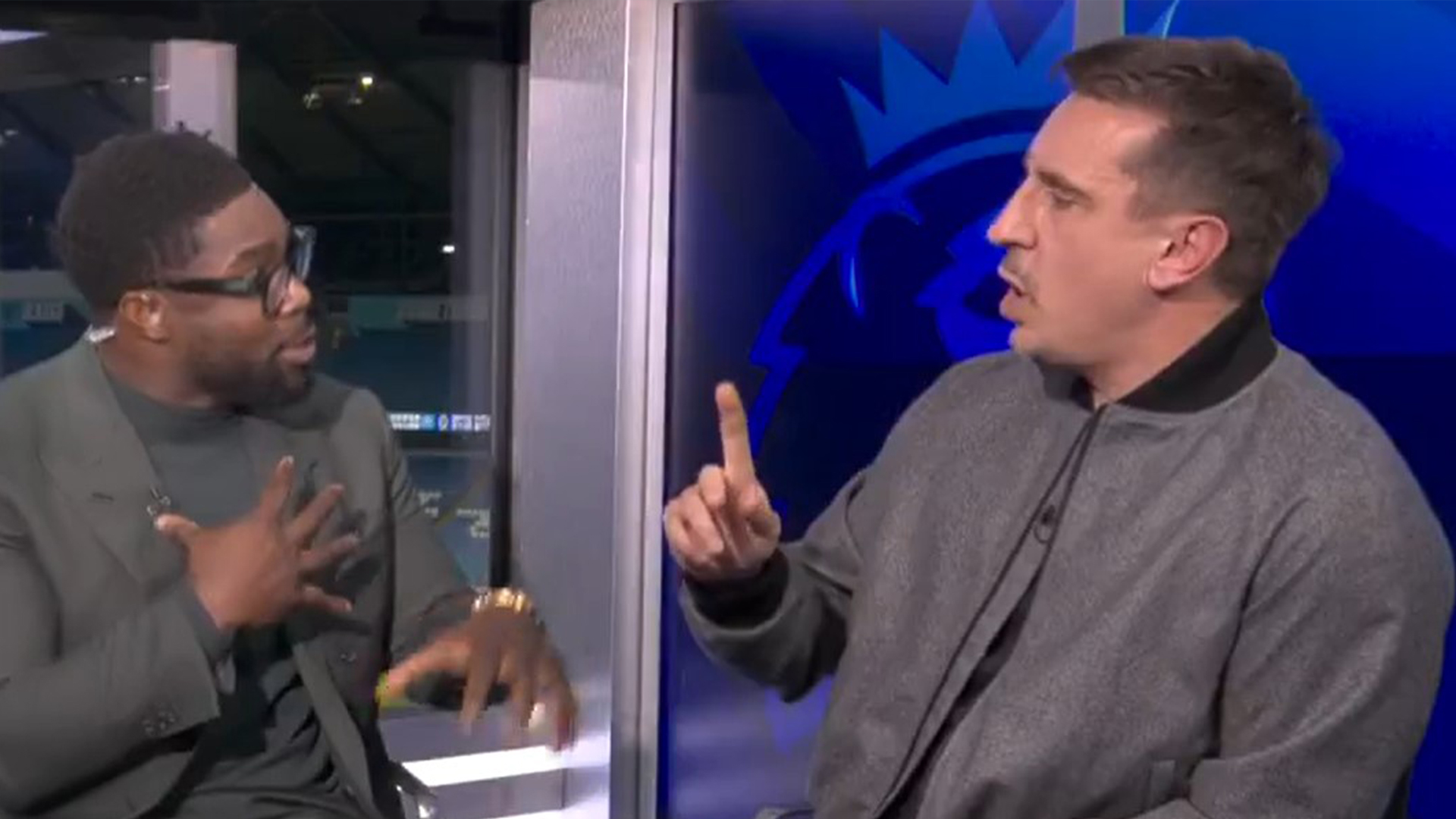
The ensuing discussion on Sky Sports saw differing perspectives on the situation. Micah Richards argued that Rashford’s struggles might stem from the immense pressure he faces, suggesting the “weight of the world” on his shoulders could be affecting his performance. Richards believed there might be underlying issues beyond just football contributing to Rashford’s current form. Neville countered this argument by comparing the pressure Rashford faces to that experienced by legendary figures like David Beckham, Wayne Rooney, and Roy Keane, arguing that the pressure on Rashford was not unprecedented. Richards retorted by highlighting the difference in squad composition, suggesting that the current Manchester United team lacked the serial winners of past eras, implying a different dynamic and level of expectation. Roy Keane intervened, emphasizing that winning is earned, not a given, and that even the legendary United teams had to work their way to success.
Amorim’s explanation of his squad selection shed further light on the situation. He emphasized a holistic evaluation process, considering not only training and match performances but also player engagement and overall attitude. He stated that his decisions were based on a comprehensive assessment of various factors, including behavior, interaction with teammates, and even seemingly minor details like how players dress for games. Amorim maintained that his selection was purely based on merit and performance, not intended as a punitive measure. He acknowledged the challenging context of needing to win games and the pressure surrounding the team, but insisted that his focus remained on selecting the players best equipped to contribute to the team’s success.
The match itself provided a dramatic backdrop to the unfolding narrative. Amad Diallo, one of the players brought into the squad in place of Rashford and Garnacho, emerged as the unlikely hero, scoring a stunning late winner to secure a 2-1 victory for Manchester United against Manchester City. Diallo’s performance highlighted the opportunities available to those who embraced the standards set by Amorim and demonstrated the potential consequences for those who fell short. Rashford, watching from home, posted a congratulatory message on social media, suggesting a supportive stance despite his personal disappointment.
The post-match player ratings provided further context to the individual performances. While Bruno Fernandes and Harry Maguire received high marks for their contributions, the focus remained on Diallo’s game-changing impact. The contrast between Diallo’s decisive contribution and the absence of Rashford and Garnacho underscored the importance of performance and the potential consequences of failing to meet expectations. The match ultimately served as a testament to Amorim’s selection decisions and the importance of maintaining high standards throughout the squad. The dramatic victory underscored the competitive nature of the squad and the opportunities available for those who seized them.