

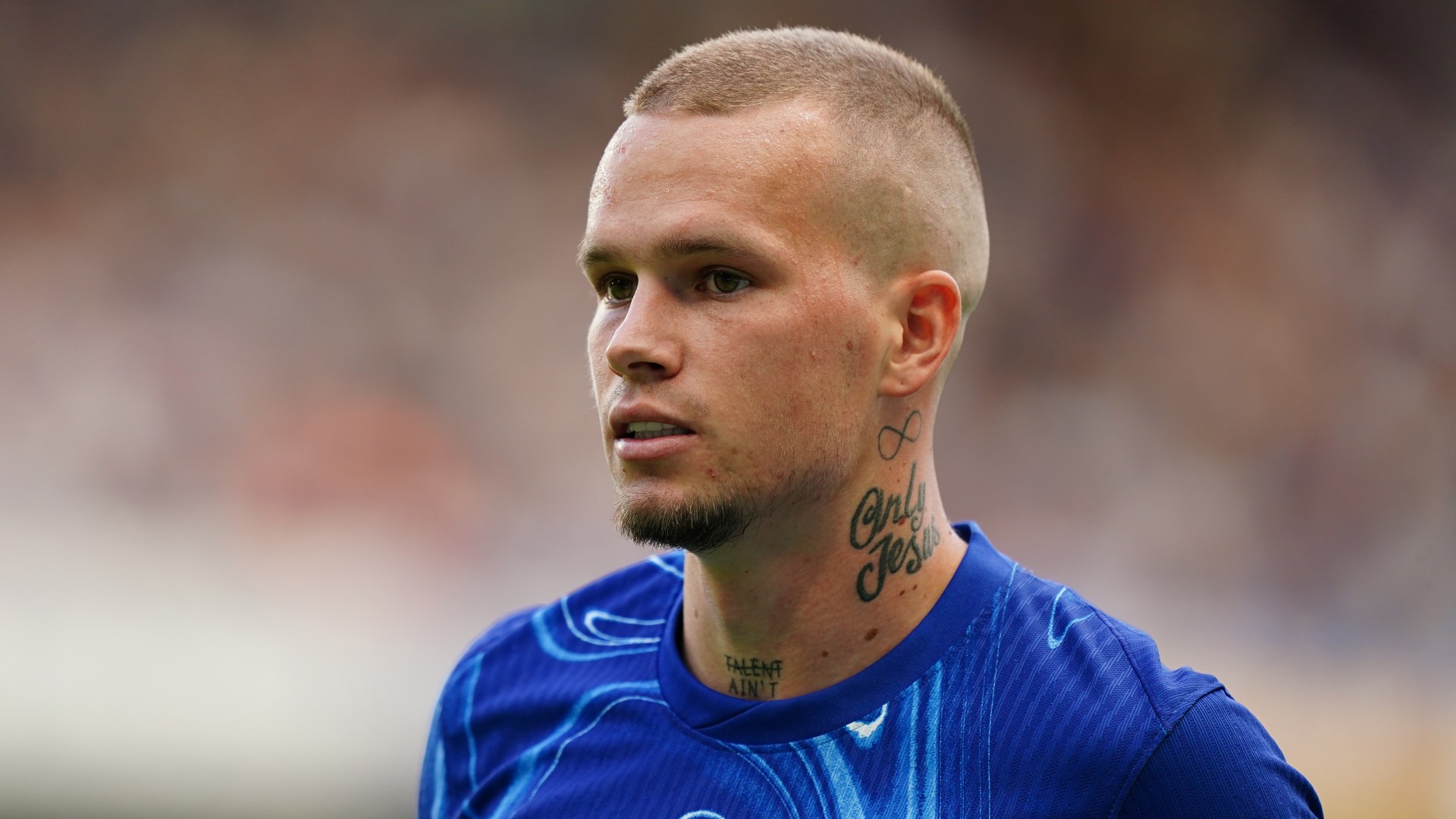
Mykhailo Mudryk, the Chelsea winger acquired for a hefty £88 million in January 2023, finds himself embroiled in a doping scandal that threatens to derail his nascent Premier League career. Reports indicate that Mudryk tested positive for Meldonium, a banned substance, during a drug test conducted in late October. This positive result from the ‘A’ sample has led to a provisional suspension by the Football Association (FA) pending the results of the ‘B’ sample analysis. If the ‘B’ sample confirms the initial findings, Mudryk could face a substantial ban from professional football, potentially sidelining him for up to four years.
The 23-year-old Ukrainian international vehemently denies any intentional wrongdoing, expressing shock and bewilderment at the positive test result. In a statement released via Instagram, Mudryk asserts that he has never knowingly used any banned substances and is collaborating with his team to ascertain how the prohibited substance entered his system. He maintains his innocence and expresses hope for a swift return to the pitch, while acknowledging the constraints imposed by the confidential nature of the ongoing investigation.
Meldonium, also known as Mildronate, is a metabolic modulator with properties similar to insulin. While used in the treatment of heart disease, it is also believed to enhance athletic performance by aiding in quicker energy restoration and improved oxygen utilization under physical stress. This substance has been on the World Anti-Doping Agency’s (WADA) list of prohibited substances since 2016. A notable case involving Meldonium was that of tennis star Maria Sharapova, who received a two-year ban in 2016, later reduced to 15 months on appeal.
The potential consequences for Mudryk are severe. The standard ban for performance-enhancing drugs under the WADA code is four years. This precedent was seen in the case of Paul Pogba, whose initial four-year ban was later reduced to 18 months following an appeal to the Court of Arbitration for Sport. The FA adheres to the UK Anti-Doping code, which operates under the WADA umbrella, and will therefore follow established procedures. If Mudryk’s ‘B’ sample returns positive, he is likely to face a ban ranging from 18 months to the full four years.
The regulations surrounding drug use in football differentiate between recreational drugs and performance-enhancing substances. Recreational drugs, such as cannabis and cocaine, typically carry a six-month suspension, which can be extended to two years if detected in a post-match test. However, performance-enhancing drugs, under which Meldonium falls, incur significantly harsher penalties. The ongoing case of Craig Campbell, a former Scottish striker banned for four years in December 2022 for cocaine dealing, highlights the severity with which doping violations are treated within the sport.
Mudryk’s situation underscores the complexities and potential pitfalls of anti-doping regulations. While the player maintains his innocence, the presence of a banned substance in his system triggers a process with potentially career-altering consequences. The outcome of the ‘B’ sample analysis will be pivotal in determining the length of any ban imposed, leaving Mudryk and Chelsea in a state of anxious anticipation. The incident serves as a stark reminder of the stringent anti-doping rules in place and the importance of vigilance for athletes at all levels.