


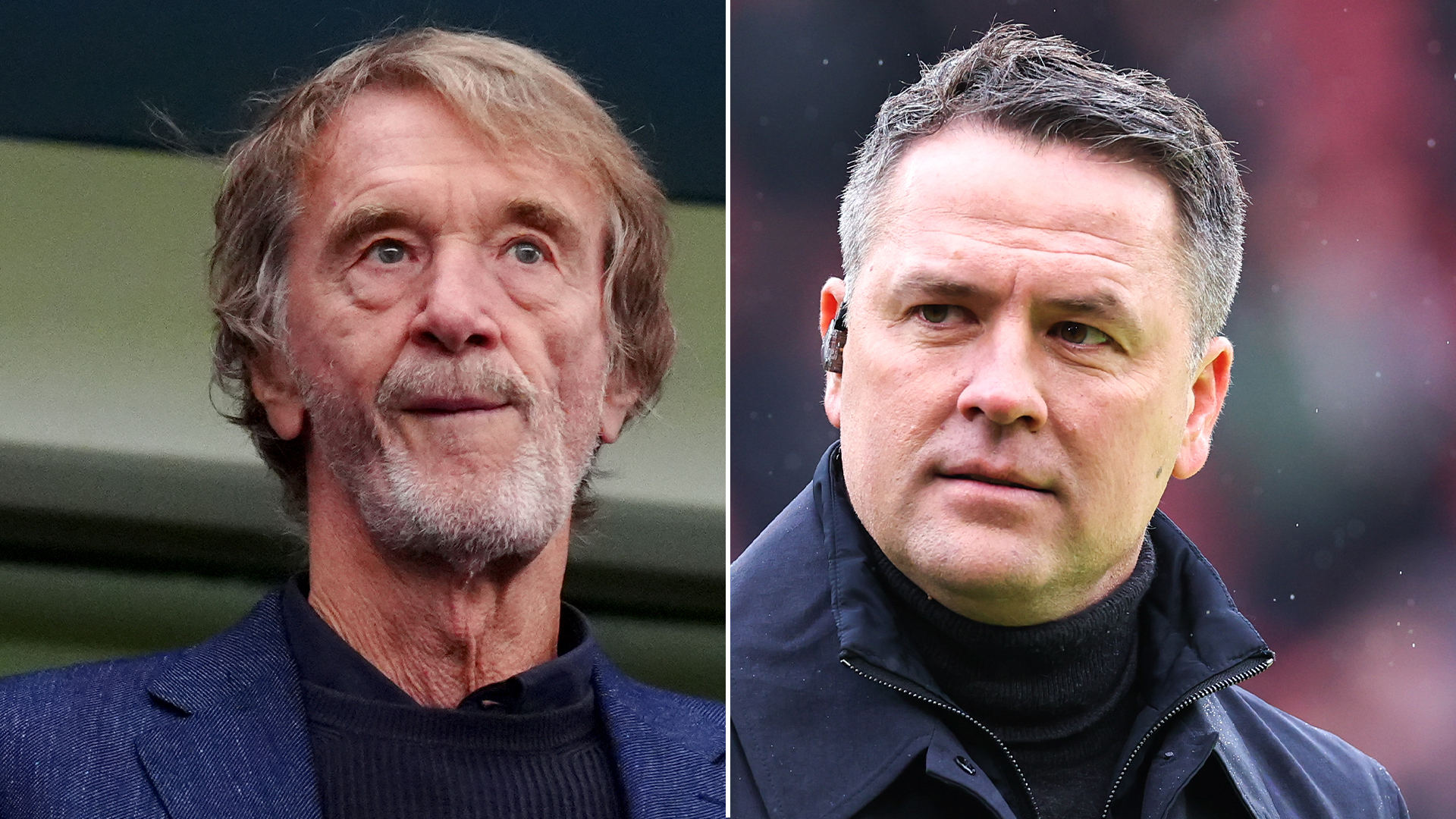
Sir Jim Ratcliffe’s cost-cutting measures at Manchester United have sparked controversy, with former striker Michael Owen expressing concern over the impact on the club’s long-standing staff. Ratcliffe, who acquired a stake in the Red Devils earlier this year, has implemented a series of austere measures, including cutting 250 staff roles, increasing ticket prices, and scaling back the annual Christmas party budget. Owen, who played for United between 2009 and 2012, laments the loss of familiar faces and the disruption to the club’s traditional behind-the-scenes structure, highlighting the personal cost for those who have lost their jobs. While acknowledging the need for change, Owen emphasizes the emotional toll of these decisions on the individuals and families affected, expressing a sense of sadness for his former colleagues. He also notes a disconnect between the casual fan, focused on on-field results, and those who have experienced the club’s inner workings, who feel a deeper sense of loss at the dismantling of the familiar team dynamic.
The cost-cutting initiatives extend beyond personnel changes. Ticket prices have been raised to a minimum of £66, with concessions eliminated, a move likely to impact the affordability of attending matches for some fans. The annual staff Christmas party, a long-standing tradition, has been canceled, and the value of festive vouchers has been significantly reduced. These changes, while potentially saving the club money, symbolize a shift away from the established culture and perks that once characterized Manchester United’s operations. The focus on fiscal austerity, while understandable in a business context, comes at the expense of employee morale and traditional practices valued by both staff and some fans.
Owen’s criticism highlights a tension between financial prudence and the preservation of a club’s identity and culture. While acknowledging that Manchester United may have needed a “shake-up,” he questions the extent and impact of the cuts, particularly on the loyal staff who have dedicated years of service to the club. He contrasts the perspective of the “casual fan,” who may be primarily concerned with on-field performance, with the more nuanced view of those who have worked within the club and understand the importance of the behind-the-scenes team. This difference in perspective underscores the complex relationship between a club’s financial management and its emotional resonance for players, staff, and fans.
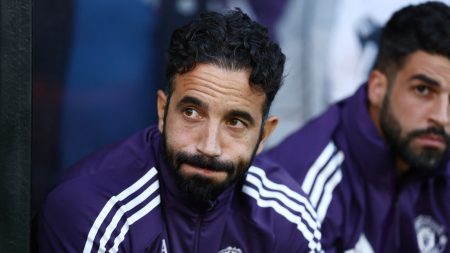
The broader context of these changes includes the recent managerial upheaval at Manchester United. Following the sacking of Erik ten Hag, the club incurred a substantial payout of £15 million. Subsequently, United invested heavily in acquiring Ruben Amorim from Sporting, triggering his £11 million release clause. This investment was followed by the appointment and subsequent dismissal of Dan Ashworth as sporting director, costing the club a further £3 million just five months later. These rapid changes in personnel and associated costs underscore a period of instability and significant financial outlay, potentially contributing to the drive for cost-cutting measures.
The appointment and swift departure of Dan Ashworth as the club’s first sporting director further illustrates the internal turmoil at Old Trafford. Reports suggest a blame game within the senior management team, with individuals attempting to distance themselves from the club’s struggles. The arrival of new part-owner Sir Jim Ratcliffe, along with chief executive Omar Berrada and Ashworth himself, occurred after a period of instability, with each seemingly pointing fingers at the previous regime. This internal friction further complicates the situation, highlighting a lack of cohesion and a potential power struggle within the club’s leadership.
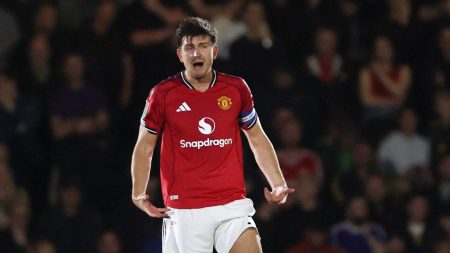
The backdrop to these events is Manchester United’s challenging performance on the pitch. Sitting 13th in the Premier League, the team has struggled to find consistency. A recent victory against Viktoria Plzen, secured by two late goals from Rasmus Hojlund, provided a glimmer of hope, but the overall picture remains concerning for fans. The pressure to improve results on the field is undoubtedly a factor in the club’s decision-making, as the financial implications of poor performance are significant. This pressure may explain, in part, the drastic measures implemented by Ratcliffe, as the club seeks to regain stability and improve its on-field fortunes. However, the question remains whether these cost-cutting measures will ultimately contribute to the club’s success or further exacerbate the existing challenges.