


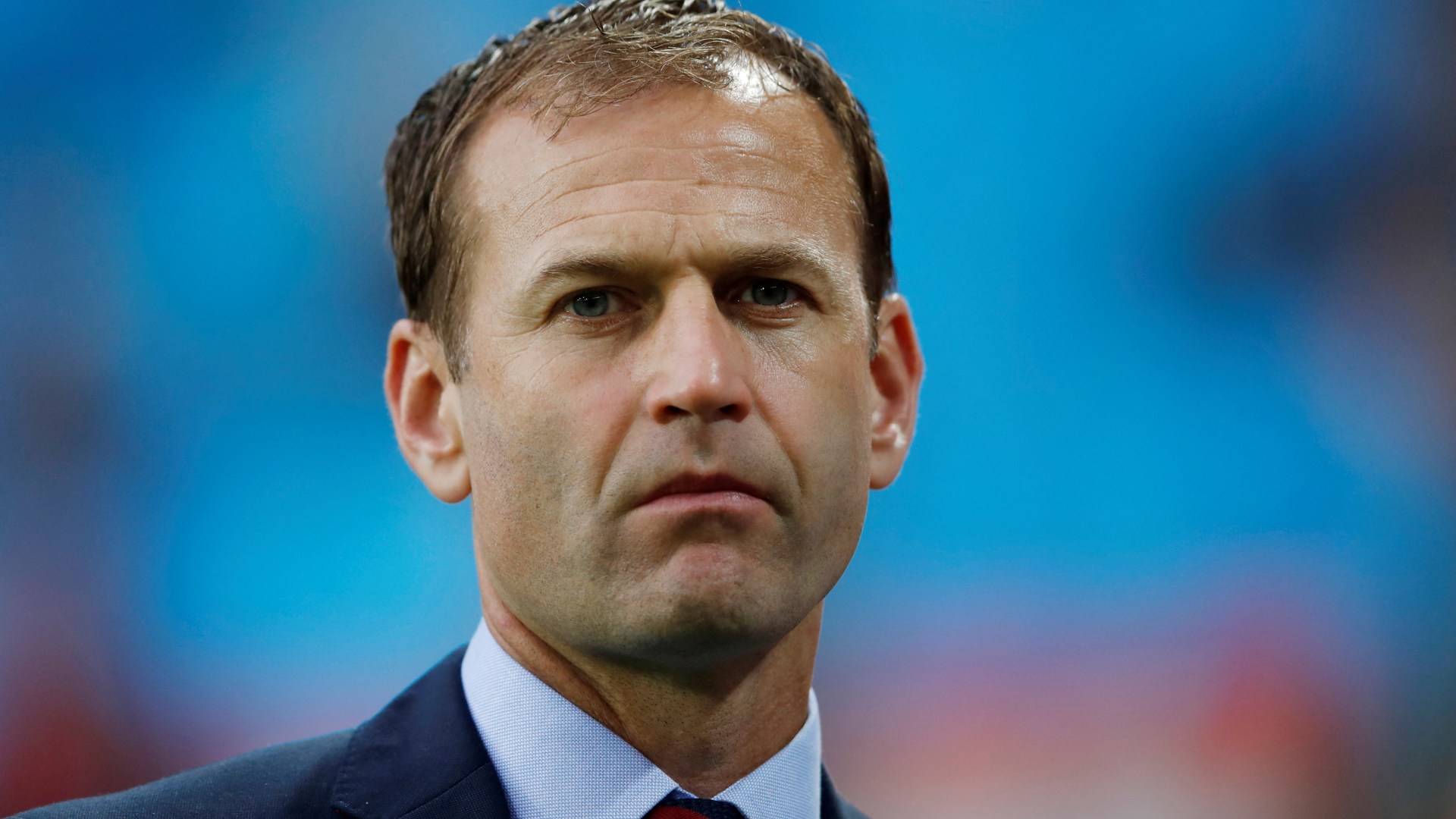
Dan Ashworth’s abrupt departure from Manchester United after a mere five months as Sporting Director has sent shockwaves through the football world. The club confirmed his exit in a terse statement, citing a “mutual agreement,” but the underlying reasons point to a deeper dysfunction within the organization, particularly concerning recruitment strategies and transfer market performance. Ashworth’s tenure, marked by a significant financial outlay on new players, ultimately failed to deliver the desired results on the pitch, culminating in a series of disappointing performances, including a recent defeat to Nottingham Forest. This loss appears to have been the catalyst for a series of discussions that led to his swift departure.
The brief official statement from Manchester United offered little insight into the specifics surrounding Ashworth’s exit, simply expressing gratitude for his contributions during a “transitional period” and wishing him well for the future. However, reports suggest that the decision was far from amicable and involved a showdown meeting between Ashworth and CEO Omar Berrada following the Nottingham Forest defeat. Sir Jim Ratcliffe, a key figure in the ownership group, is believed to have been instrumental in pushing for a boardroom shake-up, with Ashworth’s position a primary target. Ratcliffe’s public pronouncements regarding the club’s antiquated data analysis and recruitment processes further underscore the growing dissatisfaction with the existing football operations structure.
Ashworth’s arrival at Old Trafford was initially met with considerable optimism. He joined from Newcastle United, navigating a complex exit process that included a period of gardening leave and a £3 million compensation agreement. His reputation as a shrewd operator and experienced sporting director fueled expectations of a significant improvement in United’s transfer dealings. During the first transfer window under Ineos ownership, Ashworth oversaw considerable spending, bringing in players like Leny Yoro, Manuel Ugarte, Matthijs De Ligt, Joshua Zirkzee, and Noussair Mazraoui. However, despite the substantial investment, the team’s on-field performance failed to meet expectations.
The decision to retain and subsequently extend the contract of then-manager Erik ten Hag, a move in which Ashworth was reportedly involved, ultimately proved short-lived. Just 14 matches later, Ten Hag was dismissed, highlighting the instability and lack of clear direction within the club’s leadership. This inconsistency in decision-making, coupled with the underwhelming results on the pitch, likely contributed to the growing pressure on Ashworth and ultimately led to his departure.
Sir Jim Ratcliffe’s public criticism of Manchester United’s recruitment and data analysis capabilities sheds further light on the context of Ashworth’s exit. Ratcliffe’s ambition to establish United as a global leader in football operations necessitates a sophisticated and data-driven approach to player recruitment. He has openly expressed his dissatisfaction with the current infrastructure, describing it as being “in the last century.” This stark assessment suggests a fundamental disconnect between Ratcliffe’s vision and the existing practices within the club, a gap that Ashworth, despite his experience, was seemingly unable to bridge.
The departure of Dan Ashworth marks another chapter in the ongoing restructuring of Manchester United under the Ineos ownership group. While his tenure was brief and ultimately unsuccessful, it serves as a clear indication of the high expectations and ambitious goals set by the new ownership. The search for a new Sporting Director will undoubtedly be a crucial step in reshaping the club’s future and building a team capable of competing at the highest level. Ratcliffe’s emphasis on data analysis and modern recruitment strategies suggests that the next appointment will need to possess a strong analytical background and a proven track record of success in building competitive squads. The challenge for Manchester United now is to find the right individual to lead this transformation and bring stability to a club currently grappling with significant internal challenges.