


Manchester City, the reigning Premier League champions, have reportedly lodged a formal complaint with the BBC regarding their pre-match coverage of the recent Manchester derby. The crux of the complaint centers around the BBC’s alleged failure to dispatch a dedicated reporter from Radio Manchester to cover Pep Guardiola’s pre-match press conference. This perceived oversight by the BBC, which holds radio broadcasting rights for City’s matches, has reportedly irked the club, especially given their usual practice of sending reporters to cover City games and media events. While the BBC typically assigns a dedicated reporter to cover Manchester City, this individual has allegedly been engaged in other assignments recently, leading to colleagues filling in. City views this inconsistency as a potential detriment to the quality and depth of the BBC’s coverage.
The club’s frustration stems from their belief that the BBC’s coverage has been negatively impacted by this change in reporting personnel. They reportedly contacted Radio Manchester directly to voice their concerns regarding this perceived lapse in coverage. The BBC has yet to issue a public statement addressing City’s complaint. However, sources within the BBC, as reported by the Daily Mail, have refuted any suggestions of inadequate coverage, maintaining that their reporting on Manchester City remains consistent with their usual standards. These insiders contend that the club is receiving the same level of attention and coverage as it always has.
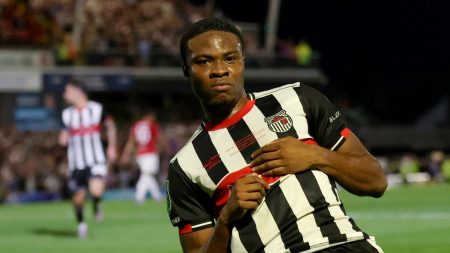
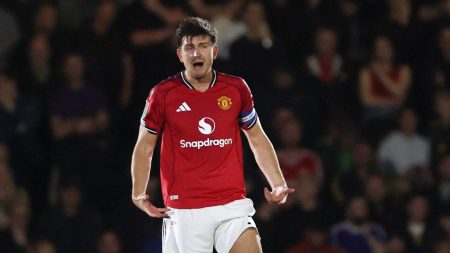
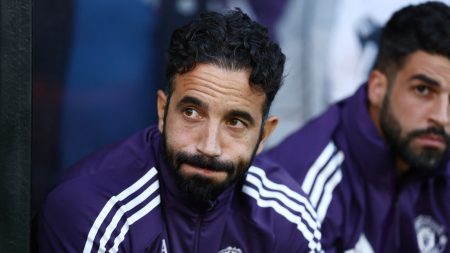
This incident unfolds amidst a challenging period for Manchester City, who are grappling with a string of disappointing results. Their recent 2-1 defeat to Manchester United in the derby further compounded their struggles, marking their eighth loss in eleven games. This string of defeats has left City in an unfamiliar fifth place in the Premier League table, trailing league leaders Liverpool by a significant nine-point margin. The loss to their local rivals was particularly stinging, with late goals from Bruno Fernandes and Amad Diallo snatching victory for United.
The disappointing result prompted a candid self-assessment from manager Pep Guardiola, who shouldered the blame for the team’s underperformance. In his post-match press conference, Guardiola admitted to his shortcomings, stating, “I’m the boss, I’m the manager, I have to find solutions, but I don’t find solutions.” He acknowledged the gravity of the situation, emphasizing the club’s stature and the significance of their recent slump. Guardiola dismissed potential excuses such as a demanding schedule or player injuries, accepting full responsibility for the team’s struggles.
Guardiola’s post-match comments revealed a sense of personal accountability rarely seen from top-level managers. He explicitly stated, “I’m the manager, and I’m not good enough, simple as that.” This frank admission underscores the pressure he feels to rectify the team’s current trajectory. Guardiola outlined his immediate priorities: finding effective communication strategies with his players, refining training methods to align with the desired playing style, and instilling the necessary intensity in their pressing game. He reiterated his self-critique, emphasizing, “I’m not good enough. I’m not doing well. That is the truth.”
The combination of on-field struggles and the reported complaint to the BBC paints a picture of a club under pressure. The complaint, while seemingly focused on a specific instance of pre-match coverage, perhaps reflects a broader sense of frustration within the club. The perceived lack of a dedicated reporter, coupled with the team’s recent string of losses, appears to have contributed to a feeling of being under scrutiny. Whether the BBC’s coverage played any role in City’s performance is debatable, but the club’s complaint underscores the heightened sensitivities surrounding their current situation. The incident also highlights the delicate relationship between football clubs and the media, particularly in times of adversity.