



Round-by-Round Analysis and Controversy in the Usyk-Fury Rematch
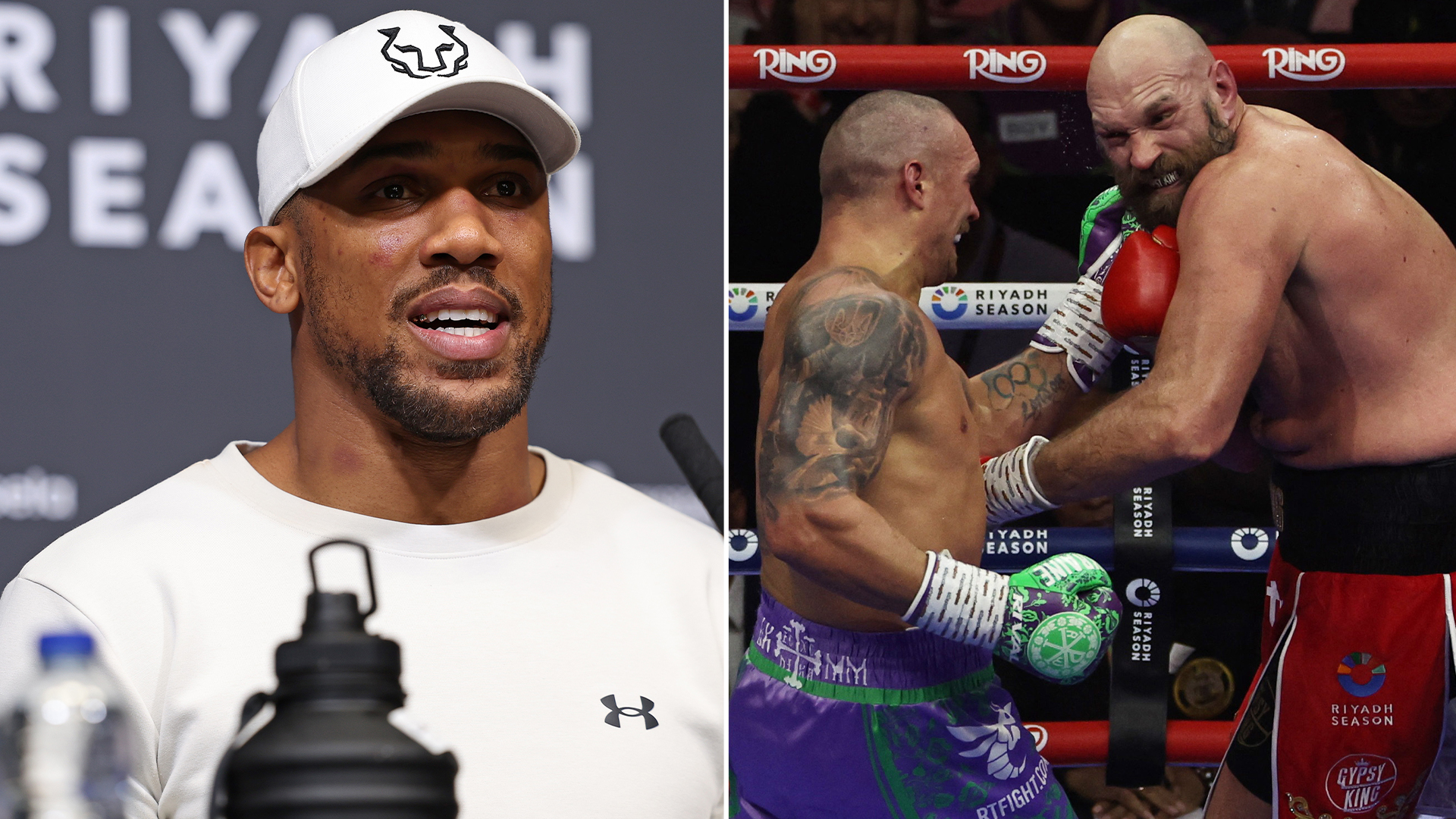
The highly anticipated rematch between Oleksandr Usyk and Tyson Fury for the heavyweight title ended in another controversial decision, with Usyk retaining his belts via a unanimous decision, albeit with scorecards reading 116-112 in his favor. This result sparked immediate debate and left Fury’s camp, including promoter Frank Warren, in disbelief, contrasting sharply with the split-decision thriller of their first encounter seven months prior. A closer look at the round-by-round action reveals the nuances of the fight and the basis for the contentious outcome.
From the outset, Fury’s physical appearance raised eyebrows. His substantial beard and noticeable belly, visible in pre-fight footage, were points of discussion, especially given his past transformations for fights. Fury’s attempts to intimidate Usyk with a fierce face-off proved ineffective against the champion’s composure. The opening round saw Usyk targeting Fury’s body with left hands, capped off with a head shot that secured him the round. The second round began with Usyk continuing his body attack, even momentarily stumbling Fury, but the Gypsy King responded with a combination of jabs and a powerful right hand to level the score. Notably, the body blows and uppercuts that had proven effective for Fury in the mid-rounds of their first meeting were absent in these early exchanges.
The third round saw Usyk reassert himself, landing combinations of body jabs and head punches, while Fury experimented with a southpaw stance and landed a check hook. Fury’s pre-fight trash talk seemed to lose its sting as Usyk maintained control. The fourth round was more evenly contested, with Fury starting strong but Usyk responding with impactful left hands. Fury countered with a powerful right hand and an uppercut, resulting in a drawn round. The fifth marked a shift in momentum, with Fury landing a right hand and subsequently employing body blows and an uppercut that forced Usyk to retreat and recover.
The sixth round saw Usyk regain the initiative, targeting Fury’s body, which began to show signs of fatigue. A head shot rocked Fury, forcing him into a defensive posture for the remainder of the round. The seventh was a quieter affair, with a single exchange of combinations from each fighter leading to a draw. Usyk dominated the eighth, pushing the pace and landing a combination while Fury appeared to tire under the pressure. The ninth continued in a similar vein, with Usyk’s superior fitness and relentless pressure proving too much for the heavier Fury.
In the championship rounds, Usyk continued to control the fight. The tenth saw Usyk absorb Fury’s attacks, including an uppercut, and respond with impactful left hands, showcasing his resilience and accuracy. The eleventh was crucial, with Usyk’s constant pressure overwhelming Fury, whose stamina visibly waned. The final round witnessed a desperate Fury attempting to secure a knockout, but Usyk countered effectively, landing a combination of punches that cemented his victory. The fight concluded with a flurry of exchanges amid boos and whistles from a section of the crowd, dissatisfied with the outcome.
The judges’ unanimous decision in favor of Usyk, while seemingly clear-cut based on the 116-112 scorecards, sparked controversy and fueled debate about the accuracy of the scoring. While some observers aligned with the official verdict, others felt the fight was closer and that Fury’s power punches, albeit less frequent, should have been given more weight. The SunSport scorecard, for instance, had Usyk winning by a wider margin, 118-112, highlighting the subjective nature of judging in boxing.
The disparity in scoring underlines the challenges of evaluating a fight where one boxer, like Usyk, relies on constant pressure, volume, and precise punches, while the other, like Fury, depends on heavier, less frequent power shots. This contrast often leads to differing perceptions of which fighter is in control and landing the more effective blows. The controversy surrounding the decision raises questions about the scoring criteria and the emphasis placed on aggression versus power in boxing judging.
The Usyk-Fury rematch, while ultimately producing a clear winner in the eyes of the judges, left a lingering sense of ambiguity and debate among fans and pundits. The fight will likely be remembered not just for Usyk’s impressive performance and retention of his titles, but also for the controversy surrounding the decision, further emphasizing the complexities and subjective nature of judging in the sport of boxing. The different perspectives on the fight’s scoring underscore the need for clearer judging criteria and potentially greater transparency in the scoring process to minimize future controversies and ensure the integrity of the sport.