


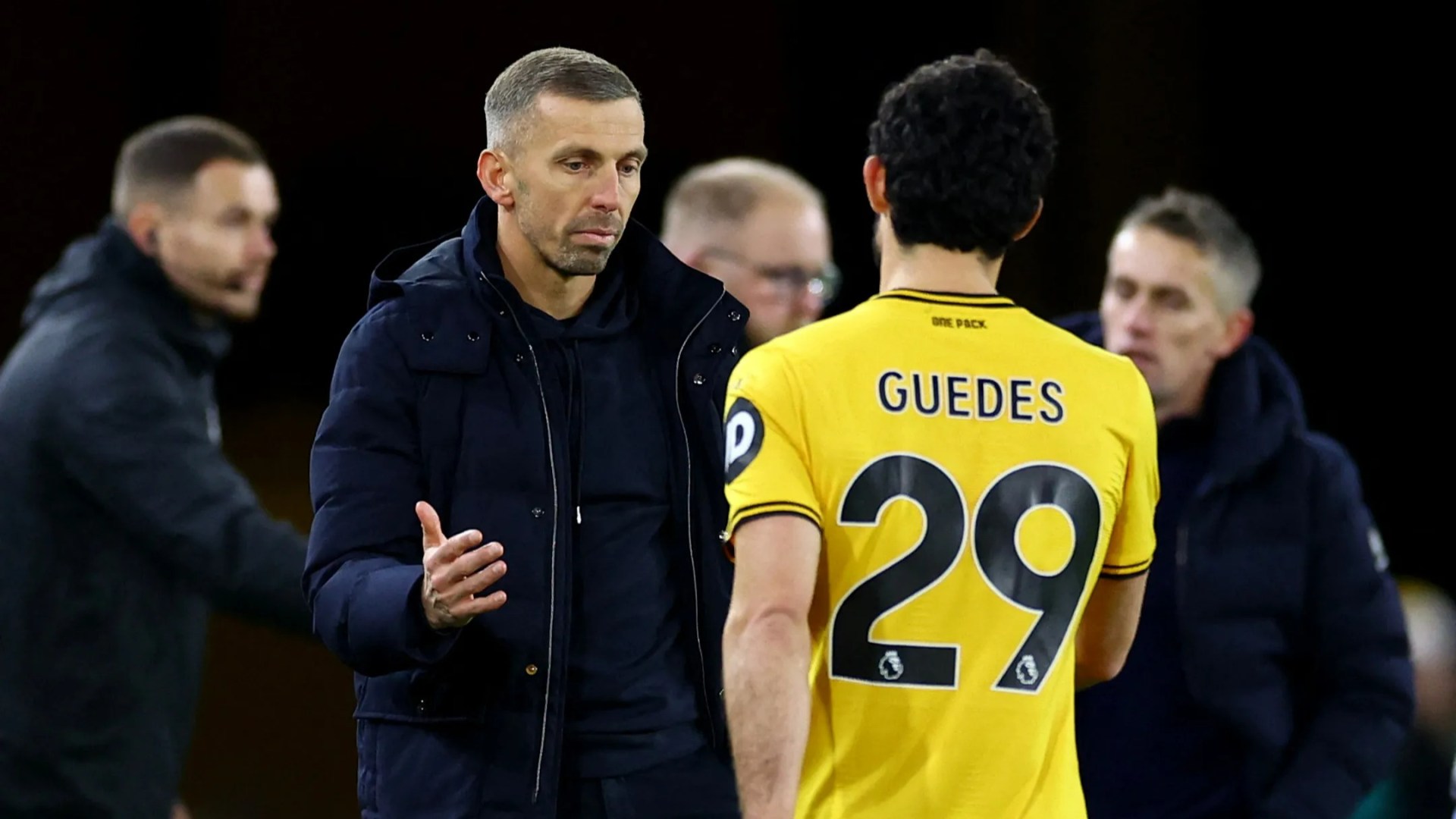
Gary O’Neil’s tenure as Wolverhampton Wanderers manager has come to an abrupt end following a string of disappointing results, culminating in a defeat to Ipswich Town that left the club precariously positioned near the bottom of the Premier League table. His dismissal, after just 18 months at the helm, underscores the intense pressure and scrutiny faced by managers in the top flight of English football, where even a brief period of underperformance can have significant repercussions. O’Neil’s brief reign was characterized by a noticeable lack of consistency, with the team struggling to find their rhythm and secure vital points. The recent losses to Bournemouth, West Ham, and Ipswich, compounded by on-field disciplinary issues, appear to have been the final straw for Wolves’ ownership, prompting them to make a change in leadership in hopes of revitalizing the team’s fortunes.
The decision to part ways with O’Neil highlights the precarious nature of managerial positions in the Premier League, where expectations are perpetually high and patience often wears thin. Clubs invest heavily in players and infrastructure, and the pressure to deliver results is immense. While 18 months might seem like a short period to assess a manager’s capabilities, the demanding nature of the league, coupled with Wolves’ precarious league position, seemingly led the club’s hierarchy to conclude that a change in direction was necessary. The instability at the managerial position is not unique to Wolves; it reflects a broader trend in the Premier League where clubs are increasingly quick to make changes in pursuit of immediate improvement.
O’Neil’s dismissal comes after a period of significant investment and transition at Wolves. The club has made notable signings in recent transfer windows, aiming to bolster the squad and compete at a higher level. However, the team has struggled to gel, and the desired results have failed to materialize. This disparity between investment and on-field performance likely contributed to the decision to replace O’Neil. The club’s ownership will now be tasked with finding a suitable replacement who can galvanize the squad, implement a winning strategy, and steer Wolves away from the relegation zone. The search for a new manager will be crucial, as the right appointment could be the key to rescuing Wolves’ season.
The recent defeats against Bournemouth, West Ham, and Ipswich appear to have been pivotal in sealing O’Neil’s fate. These losses, particularly to fellow relegation-threatened teams, exposed weaknesses in the squad and raised concerns about the team’s ability to compete at the Premier League level. Beyond the results themselves, the manner of the defeats, marked by disciplinary issues and on-field meltdowns, further exacerbated the situation. Such displays of indiscipline suggest a lack of cohesion and leadership within the team, further justifying the decision to make a managerial change. The new manager will have the challenging task of addressing these disciplinary concerns and instilling a stronger sense of unity and purpose within the squad.
The dismissal of Gary O’Neil is a stark reminder of the unforgiving nature of the Premier League. Managers are under constant pressure to deliver results, and even short periods of underperformance can have significant consequences. O’Neil’s 18 months at Wolves were ultimately defined by a lack of consistency and a failure to meet the club’s expectations. The recent defeats, coupled with disciplinary issues and a concerning league position, led the club’s ownership to conclude that a change was necessary. The search for a new manager will be crucial in determining Wolves’ future prospects.
The new manager will inherit a squad with potential but also facing significant challenges. They will need to quickly assess the strengths and weaknesses of the team, implement a coherent tactical approach, and address the disciplinary issues that have plagued the squad. Furthermore, they will need to navigate the pressure-cooker environment of the Premier League and build a winning culture within the club. The task ahead is undoubtedly daunting, but the right appointment could be the catalyst for a turnaround in Wolves’ fortunes. The club’s supporters will be hoping that the new manager can bring stability and success back to Molineux and steer the team away from the threat of relegation.