



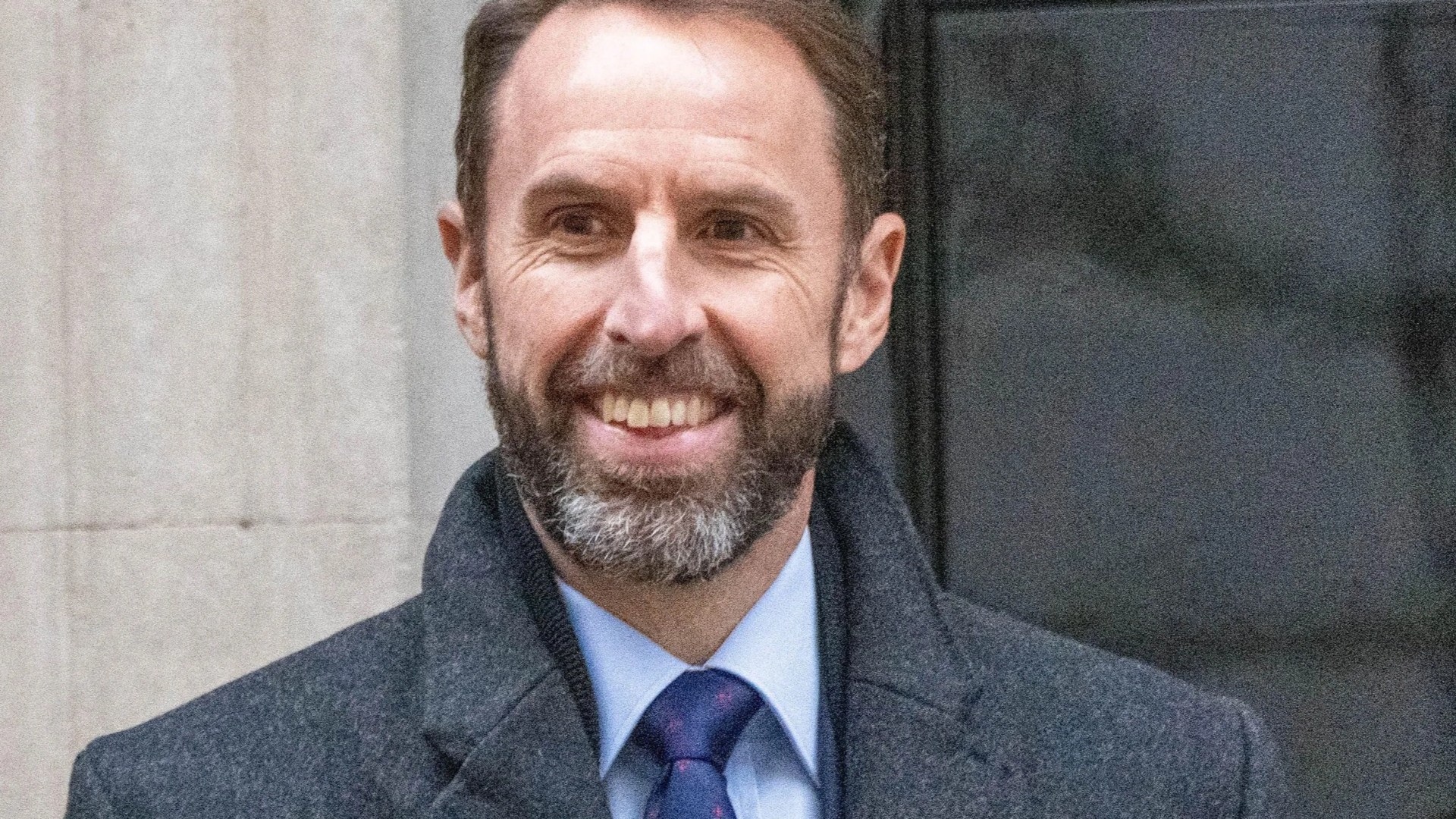
Gareth Southgate’s eight-year tenure as England manager, culminating in a heartbreaking Euro 2024 final defeat to Spain, was a rollercoaster of exhilarating highs and crushing lows. He revitalized a disillusioned nation, fostering a sense of belief and unity that had been absent for decades. While the ultimate prize remained elusive, his legacy is undeniably complex, marked by both remarkable progress and lingering what-ifs. This detailed examination of his 102 games in charge offers a comprehensive perspective on the Southgate era, highlighting the moments of triumph and the setbacks that ultimately defined his reign.
Southgate’s highs were moments of pure elation, etched into the memories of English fans. The 2018 World Cup penalty shootout victory over Colombia, ending a 22-year hoodoo, was a cathartic release, signaling a shift in the national team’s mentality. The subsequent victory over Spain, England’s first on Spanish soil in 31 years, showcased the attacking verve and confidence Southgate instilled in his young squad. Reaching the Euro 2020 final, a feat not achieved in 55 years, was a testament to the team’s resilience and tactical discipline, culminating in a dramatic semi-final win against Denmark. The 2022 World Cup campaign also offered glimpses of brilliance, particularly the dominant 3-0 victory over Senegal in the round of 16, fueling hopes of a deep tournament run. More recently, a 2-1 victory against Italy in a Euro 2024 qualifier, marked by Harry Kane becoming England’s all-time leading scorer, and a thrilling last-minute win over the Netherlands in the Euro 2024 semi-final further validated Southgate’s ability to guide his team to crucial victories.
However, intertwined with these triumphs were moments of profound disappointment, reminders of the fine margins that separate success from failure. The 2018 World Cup semi-final loss to Croatia, despite an early lead, exposed tactical vulnerabilities and questionable substitutions that ultimately cost England a place in the final. The Euro 2020 final defeat to Italy, particularly the agonizing penalty shootout loss, was a particularly bitter pill to swallow, especially after taking an early lead. The heartbreak of missing out on a major trophy on home soil lingered long after the final whistle. These setbacks, while painful, served as valuable learning experiences for Southgate and his team, shaping their approach in subsequent tournaments.
The Nations League campaign in 2023 proved particularly challenging, with a humiliating 4-0 home defeat to Hungary exposing defensive frailties and raising questions about Southgate’s tactical approach. This heavy defeat, England’s worst at home since 1928, resulted in relegation from the top tier of the Nations League and intensified scrutiny of Southgate’s leadership. While the subsequent Euro 2024 campaign offered redemption with a thrilling semi-final victory over the Netherlands, the final against Spain would prove to be another agonizingly close defeat.
The 2022 World Cup quarter-final loss to France, despite a spirited performance, underscored the persistent challenges facing Southgate’s England. While Kane’s penalty equalizer briefly ignited hopes of a comeback, the late winner from Olivier Giroud and Kane’s subsequent missed penalty were cruel reminders of the fine margins that often decide major tournaments. The match also sparked debate about Southgate’s tactical decisions, with some suggesting a more proactive approach might have yielded a different outcome. This defeat, though less devastating than the Euro 2020 final loss, added another layer of complexity to Southgate’s legacy.
Southgate’s tenure as England manager can be best described as a period of significant progress punctuated by moments of agonizing near misses. He successfully instilled a new sense of belief and identity within the national team, fostering a culture of unity and resilience. His tactical flexibility and emphasis on youth development yielded positive results, evident in the team’s performances in major tournaments. However, the inability to secure a major trophy, coupled with occasional tactical shortcomings and questionable substitutions, ultimately left a sense of unfulfilled potential.
Despite the mixed bag of results, Southgate’s impact on English football is undeniable. He transformed the national team’s culture, nurturing a generation of talented young players and restoring pride in the Three Lions. While the ultimate goal remained elusive, his legacy is one of substantial progress, laying the foundation for future success. His departure marks the end of an era, leaving behind a complex legacy of both achievement and unfulfilled promise. The task for his successor will be to build upon the foundations he laid, striving to finally bring home the silverware that has eluded England for so long.