


The 2025 Tour de France promises to be one of the most demanding in recent history. Over three weeks, 176 riders will cover 3,320 kilometers across 21 stages, burning a collective 18 million calories. The route, starting in Lille and culminating in Paris, features six summit finishes, two time trials, and the iconic sprint along the Champs-Élysées. This grueling challenge requires meticulous nutritional planning and execution for riders to maintain energy levels and perform at their peak.
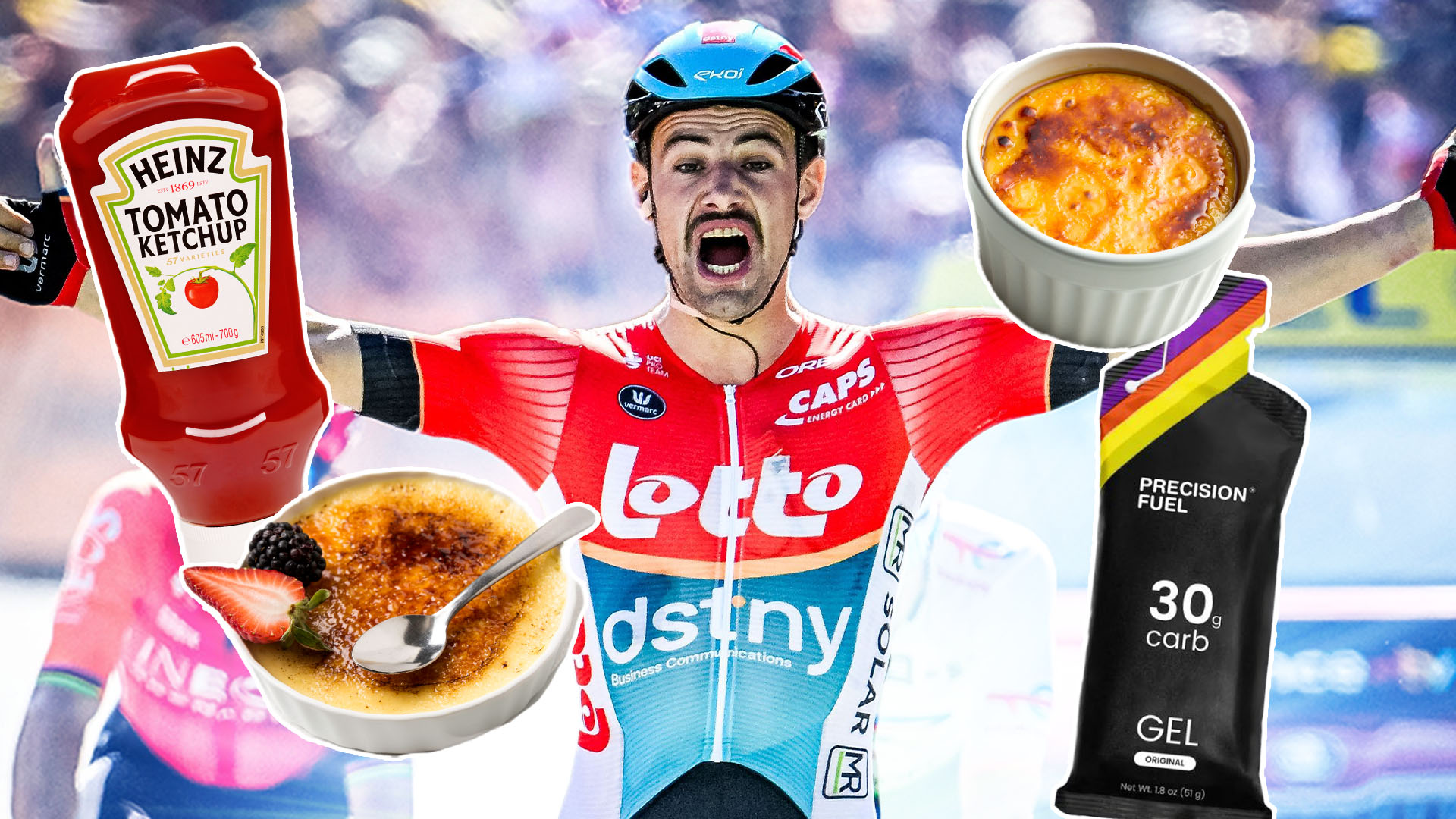
Fueling for a race of this magnitude is a science. Riders, like Victor Campenaerts, winner of Stage 18 of the 2024 Tour, consume around 5,000 calories per stage. Their diets are carefully curated by team nutritionists, with every ounce of food weighed and measured to ensure optimal carbohydrate intake. Breakfast, about three hours before the stage, is a carbohydrate feast, often consisting of a large portion of porridge with agave syrup, dried fruit, and banana, along with a strong coffee. Lactose is usually avoided due to its potential digestive impact, and plant-based milk alternatives are preferred.
Pre-race preparation continues with energy chews consumed two hours and one hour before the start. These chews, resembling candy, provide around 30 grams of carbohydrates each. Once the race begins at “kilometre zero,” riders immediately begin fueling with energy gels. Maintaining optimal performance requires a staggering 140-150 grams of carbohydrates per hour, delivered through a combination of specialized sports drinks, isotonic drinks, energy gels, and chews. During his stage win, Campenaerts consumed an impressive mix of carbohydrate and electrolyte drinks, carbohydrate-only drinks, energy gels, caffeine gels, energy chews, and plain water. The peloton has largely shifted away from traditional solid foods like bananas and energy bars, favoring easily digestible gels and liquids.
Post-race recovery is crucial and begins immediately upon crossing the finish line. Riders typically consume a recovery shake followed by plain rice on the team bus. Dinner usually consists of chicken and rice, providing a readily digestible mix of protein and carbohydrates. Measured portions of ketchup are sometimes added for an extra carbohydrate boost. After showering and receiving a massage, riders consult with their team nutritionists, reporting their in-race consumption and immediate post-race intake. Dinner portions are tailored to individual needs, considering factors like height, weight, and the next day’s stage profile. Campenaerts, being relatively lighter than some of his peers, consumes a proportionately smaller dinner.
Meal planning for the Tour de France is strategic, anticipating the demands of upcoming stages. Carb-heavy dinners are favored before mountain stages, while nutrient-rich, lower-calorie meals are preferred before sprint stages. Sample menus demonstrate a balanced approach, offering variety while prioritizing performance. Rest days offer a chance for a controlled “cheat meal,” with options like burgers, tacos, and lasagna, prepared with healthier ingredients than their typical counterparts. Even dessert is strategically incorporated, providing a morale boost and contributing to overall calorie intake. Crème brûlée is a popular choice, with portions carefully measured to align with each rider’s nutrition plan.
The dietary regimens of Tour de France riders are a testament to the critical role of nutrition in elite athletic performance. From meticulously planned breakfasts to strategically timed carbohydrate intake during races and carefully calculated post-race recovery meals, every aspect of their diet is optimized for maximum performance and sustained effort over the demanding three-week race. This scientific approach to fueling, coupled with rigorous training, enables riders to endure the extreme physical demands of the Tour de France and compete at the highest level. The evolution of their diets, from simple pasta-heavy meals to precisely calibrated combinations of gels, drinks, and strategically chosen solid foods, reflects the increasing sophistication of sports nutrition.