
From Football Pitch to Presidential Palace: Mikheil Kavelashvili’s Ascent in Georgian Politics
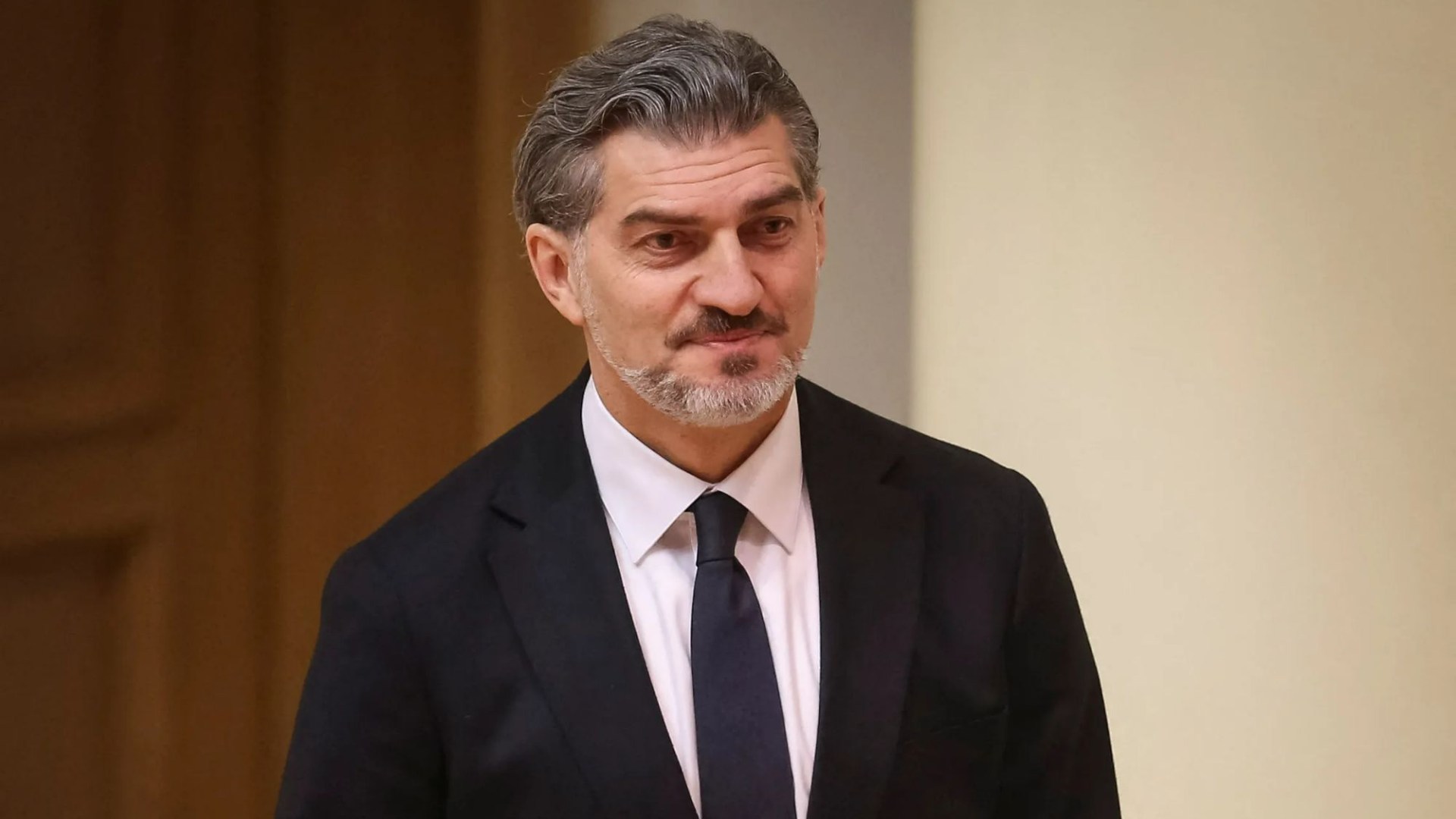
Mikheil Kavelashvili, a former professional footballer who once graced the pitch for Manchester City, has embarked on a new chapter in his life, ascending to the presidency of Georgia. This unexpected transition from the sporting arena to the highest political office marks a significant turning point in Kavelashvili’s career and raises questions about the trajectory of Georgian politics. His election, while seemingly smooth within the framework of the Georgian Dream-controlled electoral college, occurs amidst a backdrop of political tension and social unrest, further complicating the already complex political landscape of the nation.
Kavelashvili’s political journey began in 2016 with his election to parliament. He subsequently co-founded the People’s Power political movement in 2022, aligning it with the ruling Georgian Dream party. This party, while advocating for EU accession, has also courted controversy with its far-right leanings, anti-Western rhetoric, and perceived tilt towards Russia. This seemingly contradictory stance has fueled criticism and suspicion, particularly given the historical tensions and ongoing conflict between Georgia and Russia, including the 2008 war and the subsequent recognition by Moscow of two breakaway Georgian regions.
The Georgian Dream party’s dominance in the political arena, solidified by its control over the 300-seat electoral college, effectively paved the way for Kavelashvili’s unopposed ascent to the presidency. This system, which replaced direct presidential elections in 2017, concentrates power within the ruling party and limits the influence of opposing voices. Critics argue that this system, combined with the party’s increasingly authoritarian tendencies and crackdown on freedom of speech and LGBTQ+ rights, mirrors the tactics employed by the Kremlin, raising concerns about democratic backsliding in Georgia.
Kavelashvili’s election takes place against a backdrop of escalating protests and social unrest, triggered by the Georgian Dream party’s decision to postpone the country’s EU membership bid until 2028. This move has galvanized the opposition and fueled public anger, leading to widespread demonstrations and clashes with police. The government’s response, including the use of tear gas, rubber bullets, and water cannons against protesters, has further intensified the situation and underscored the deep divisions within Georgian society. The outgoing president, Salome Zourabichvili, a pro-Western figure, has challenged the legitimacy of the new government and the electoral process, further complicating the political transition and adding another layer of uncertainty to the future of Georgia.
The political dynamics at play in Georgia paint a complex picture. The ruling Georgian Dream party, while nominally committed to EU integration, has simultaneously pursued policies that raise concerns about democratic values and alignment with Russia. This seemingly contradictory approach has created a volatile political environment, marked by protests, social unrest, and a deep divide between the ruling party and the opposition. Kavelashvili’s presidency inherits this complex and challenging landscape, and his ability to navigate these turbulent waters will be a crucial test of his leadership.
The future of Georgia under Kavelashvili’s presidency remains uncertain. The challenges are numerous: managing the ongoing social unrest, navigating the delicate relationship with Russia, and addressing the aspirations of the Georgian people for closer ties with the European Union. Kavelashvili’s background as a footballer, with its emphasis on teamwork and strategic thinking, may prove valuable in this new arena. However, whether he can successfully bridge the deep political divides and steer Georgia towards a stable and prosperous future remains to be seen. The international community will be watching closely as this former footballer embarks on his most challenging game yet – the presidency of a nation grappling with complex internal and external pressures.