


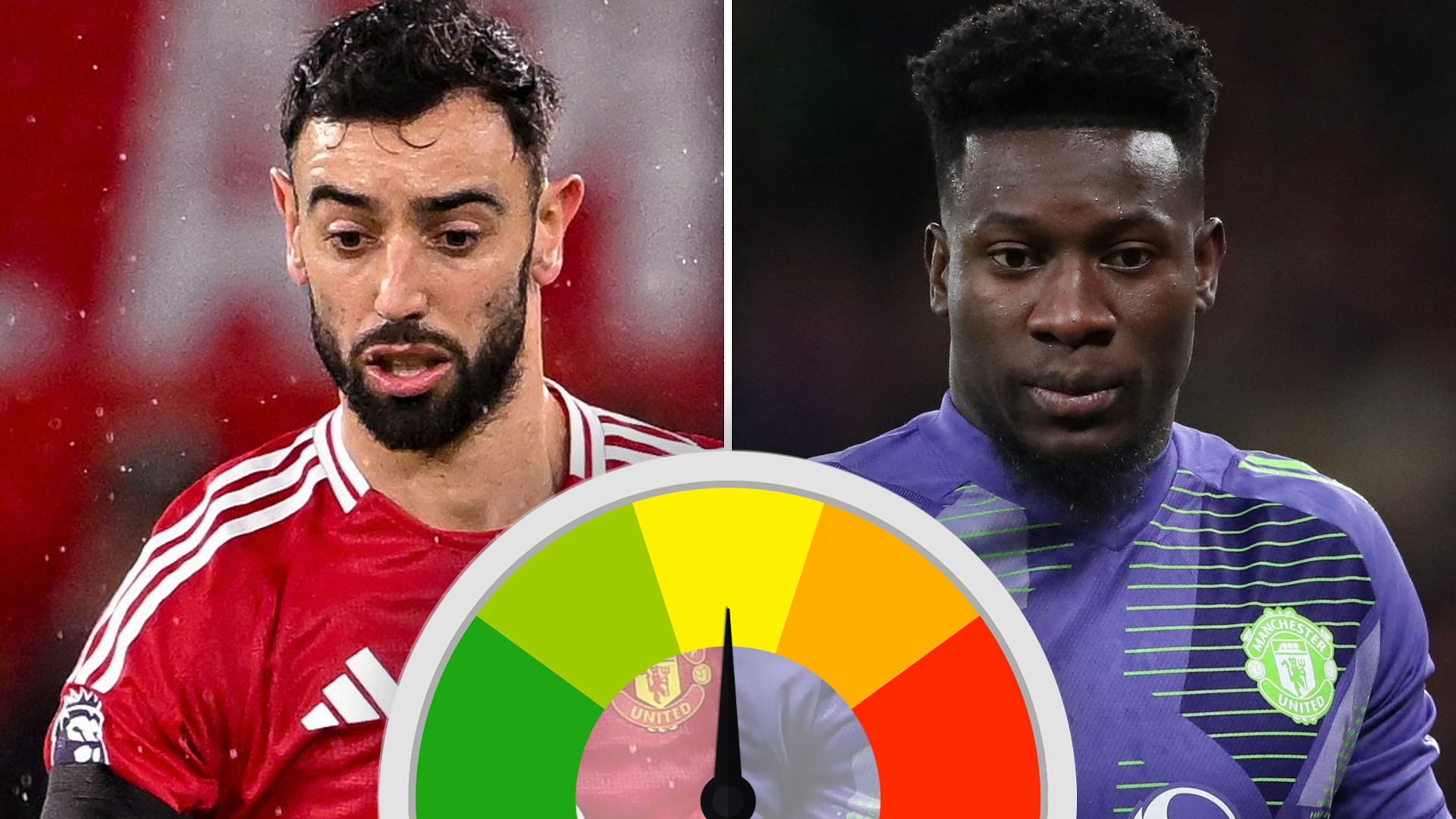
Manchester United suffered a disheartening 3-2 defeat at Old Trafford against Nottingham Forest, with goalkeeper Andre Onana bearing the brunt of criticism for his performance. Onana’s errors proved decisive, as he was deemed at fault for two of Forest’s goals. Morgan Gibbs-White’s seemingly straightforward shot slipped through Onana’s grasp for Forest’s second, while he was also culpable for Chris Wood’s headed winner, failing to command his area effectively. This shaky display followed previous concerns about Onana’s distribution and ability to adapt to the Premier League, raising questions about his long-term suitability as United’s number one.
The defensive frailties extended beyond the goalkeeper, with Lisandro Martinez’s lack of height exposed for Forest’s opening goal, a Nikola Milenkovic header. Martinez also struggled to deal with the aerial threat for the third goal, highlighting a potential vulnerability in United’s backline. Matthijs de Ligt, while initially impressive in bringing the ball out from the back, was also criticized for his positioning and awareness during Wood’s winning goal. Youngster Leny Yoro, making his first start, showed promise but was understandably substituted after an hour.
In midfield, Manuel Ugarte provided a solid defensive presence, while Kobbie Mainoo grew into the game in the second half, becoming more of an attacking threat. Bruno Fernandes, despite his constant protestations to the referee, was heavily involved throughout, redeeming a loose pass that led to Forest’s second goal with a well-taken strike of his own. However, his tendency to contest every decision remains a point of contention.
On the flanks, Amad Diallo impressed with his forward runs and positive play from the wing-back position, even creating Fernandes’ goal with a clever cutback. Diogo Dalot, in contrast, had a relatively quiet game, only becoming more involved in the second half. Up front, Rasmus Hojlund, despite his recent goalscoring form, struggled to find space and lacked the movement to truly trouble the Forest defence. Alejandro Garnacho endured a frustrating afternoon and was substituted early in the second half, replaced by Marcus Rashford.
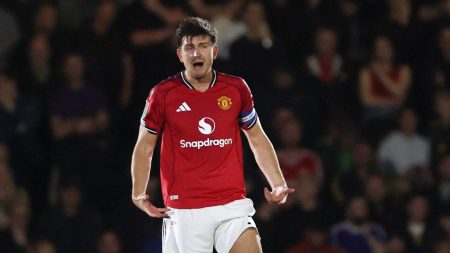
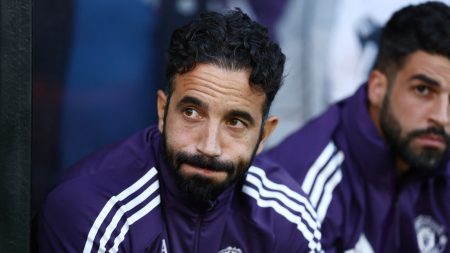
The substitutions made by manager Ruben Amorim failed to inspire a comeback. Rashford, despite being introduced in a game seemingly suited to his style, couldn’t make the desired impact. Harry Maguire’s introduction brought some stability to the defence, raising questions about his omission from the starting lineup. Mason Mount, another substitute, is yet to convince the United faithful and needs a consistent run of games to prove his worth. Joshua Zirkzee, brought on late in the game, failed to make any significant contribution.
This defeat raises further concerns about Manchester United’s early season form and the effectiveness of their summer signings. Onana’s continued struggles in goal, coupled with defensive vulnerabilities and a lack of cohesion in attack, paint a worrying picture for United fans. Manager Amorim faces a significant challenge to integrate new players and find a winning formula quickly, or risk falling further behind in the race for a top-four finish. The spotlight will undoubtedly remain on Onana, whose performances will be heavily scrutinized in the coming weeks.
The defensive issues, particularly dealing with aerial threats, are a recurring theme and require immediate attention. While individual errors contributed to the goals conceded, the overall defensive organization and communication appear to be lacking. This puts added pressure on the midfield to provide defensive cover, potentially limiting their attacking contributions. Finding the right balance between defensive solidity and attacking flair is crucial for Amorim moving forward.
In attack, the reliance on individual moments of brilliance from players like Fernandes and Rashford is not a sustainable strategy. Hojlund’s integration into the team is still a work in progress, and the lack of consistent service and movement from the supporting players hinders his ability to make an impact. The team’s overall attacking play needs to be more structured and cohesive to create more clear-cut chances.
Amorim’s player selection and tactical approach will also come under scrutiny. The decision to start Yoro and leave Maguire on the bench, along with the substitutions made during the game, will be debated by fans and pundits alike. The manager needs to find a consistent starting eleven and a tactical system that best utilizes the strengths of his players.
Finally, the pressure on Amorim to deliver results will only intensify. The expectations at Manchester United are always high, and the fans demand to see progress and a return to the club’s winning ways. The upcoming fixtures will be crucial for Amorim to demonstrate that he has the right strategy and the players to turn things around. Failure to do so could lead to further questions about his suitability for the role.