


Resurrection of the European Super League: A New Format Unveiled
A22 Sports, the promoter behind the ill-fated European Super League, has resurfaced with a revamped proposal for a continent-wide football competition, dubbed the "Unify League." This new iteration aims to address the criticisms leveled against its predecessor, which collapsed in 2021 amid widespread condemnation from fans, governing bodies, and even political figures. The Unify League envisions a four-tiered structure, with divisions named Star, Gold, Blue, and Union, drawing inspiration from the EU flag. This expanded format, comprising 96 clubs across 55 countries, aims to be more inclusive and meritocratic, with qualification based on domestic performance rather than guaranteed entry for elite clubs. Crucially, A22 emphasizes that this new competition adheres to EU law and principles, citing a 2023 European Court of Justice ruling that supports the establishment of inclusive and meritocratic competitions.
A Shift in Strategy: Addressing Criticisms and Seeking Endorsement
Unlike the closed-shop approach of the original Super League, the Unify League proposes open access for all clubs, with positions earned solely through performance in their respective domestic leagues. A22 also seeks to address the concerns around fan accessibility and affordability by offering free streaming of matches on a dedicated platform, with an ad-free subscription option for viewers seeking a premium experience. This strategy seemingly attempts to mitigate the accusations of elitism and greed that plagued the previous iteration. Significantly, A22 has reached out to FIFA and UEFA, requesting their endorsement for the Unify League. This move suggests a change in tack from the confrontational approach adopted in the past, perhaps recognizing the need for collaboration with football’s governing bodies.
Fan Backlash and Opposition Persist: Doubts and Condemnation
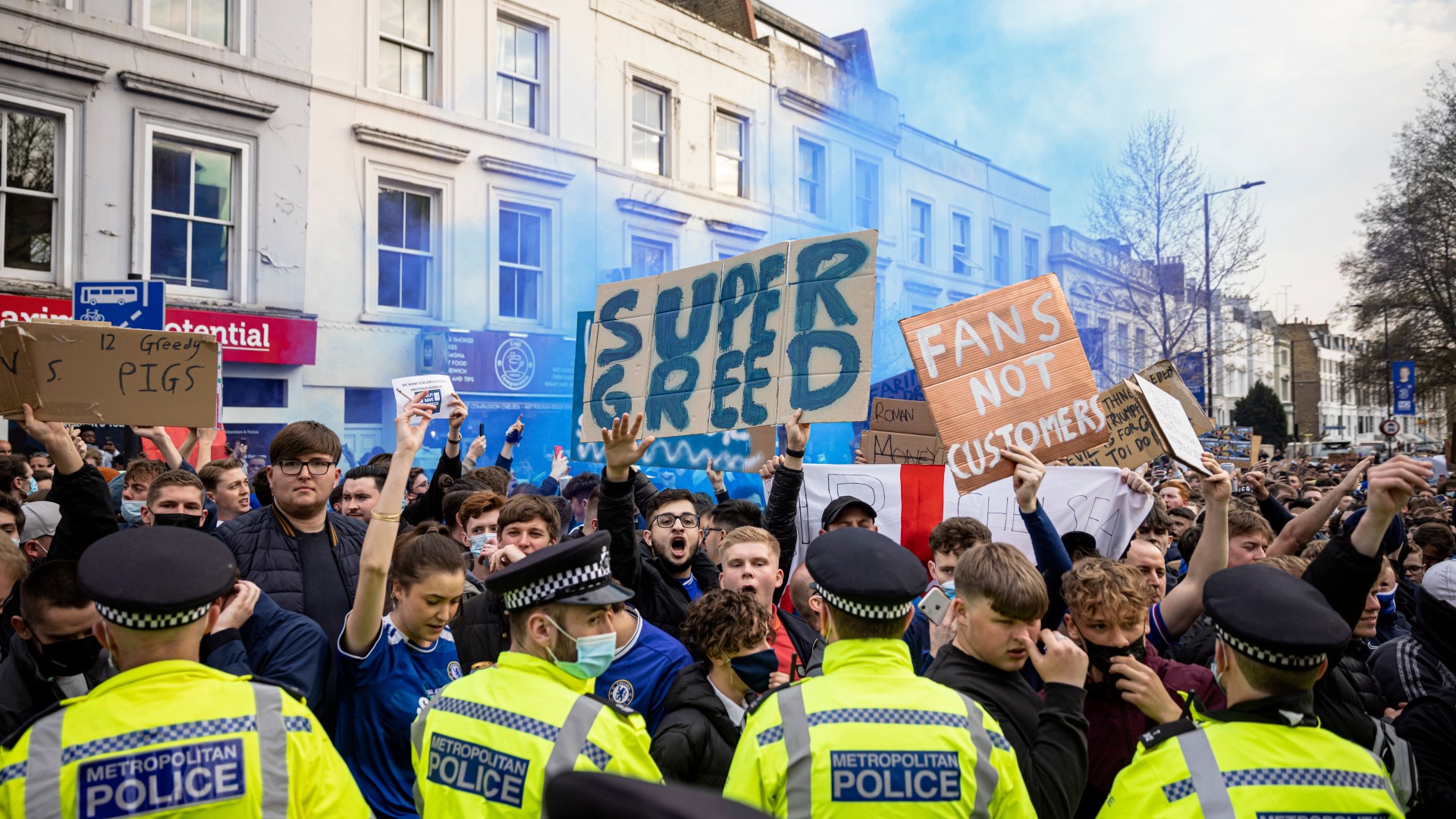
Despite the changes and appeals to inclusivity and meritocracy, the Unify League has met with immediate resistance from fans and influential figures within football. Many supporters remain skeptical of the motives behind the proposal, viewing it as another attempt by wealthy clubs to wrest control of the game and maximize profits. Critics point to the continued involvement of Real Madrid president Florentino Perez, a key figure in the original Super League debacle, as evidence that the underlying motivations remain unchanged. Fan groups and trusts have issued strong statements condemning the proposal and urging their respective clubs to reject the overtures from A22. The link to the EU, both in the naming of the divisions and the legal arguments used to justify the competition, has further fueled the resentment of some fans who perceive it as an unwelcome intrusion from outside the football community.
Key Features and Concerns: Format, Finance, and Fixture Congestion
The Unify League proposes a format with 14 league-phase games between September and April, followed by a two-legged quarter-final and a "final four" week to determine the overall winner. This format raises concerns about fixture congestion, adding further strain to an already packed football calendar. Players are already voicing concerns about burnout, and the additional matches required by the Unify League could exacerbate this issue. While A22 promises substantial solidarity payments to smaller clubs and countries, the financial details remain unclear. The source of the prize fund and the distribution model have yet to be revealed, leaving many to question the long-term financial viability of the competition. The proposed streaming platform, while offering a free tier, also raises questions about its ability to generate the revenue required to sustain such a large-scale competition.
Legal and Political Ramifications: Challenging Governance and Navigating Regulations
A22’s reliance on EU law and the ECJ ruling adds a complex legal dimension to the debate. The competition’s proponents argue that the ruling allows for the creation of independent, merit-based leagues, while critics question the interpretation and applicability of the ruling to this specific case. The UK government’s ongoing efforts to establish an independent football regulator further complicate matters. This regulator is designed to protect the integrity and sustainability of English football, and it could play a crucial role in determining the fate of the Unify League within the UK. The political dimension cannot be ignored, with the potential for conflict between national governments, football associations, and EU regulations.
The Future of European Football: A Battle for Control and a Divided Landscape
The resurgence of the European Super League, albeit in a revised format, reignites the debate about the future of European football. The fundamental conflict revolves around control and governance, with wealthy clubs seeking greater autonomy and a larger share of the revenue. Fan groups, on the other hand, prioritize the traditions and competitive balance of the existing structures. The Unify League proposal, despite its attempts to address earlier criticisms, faces an uphill battle to gain acceptance. The deep-seated resentment from fans, coupled with the complex legal and political landscape, creates significant obstacles. The ultimate success or failure of this venture will depend on several factors, including the support of clubs, the response of governing bodies, and the reaction of fans. The future of European football remains uncertain, with the potential for a protracted and divisive battle between tradition and innovation, between collective governance and individual ambition.