
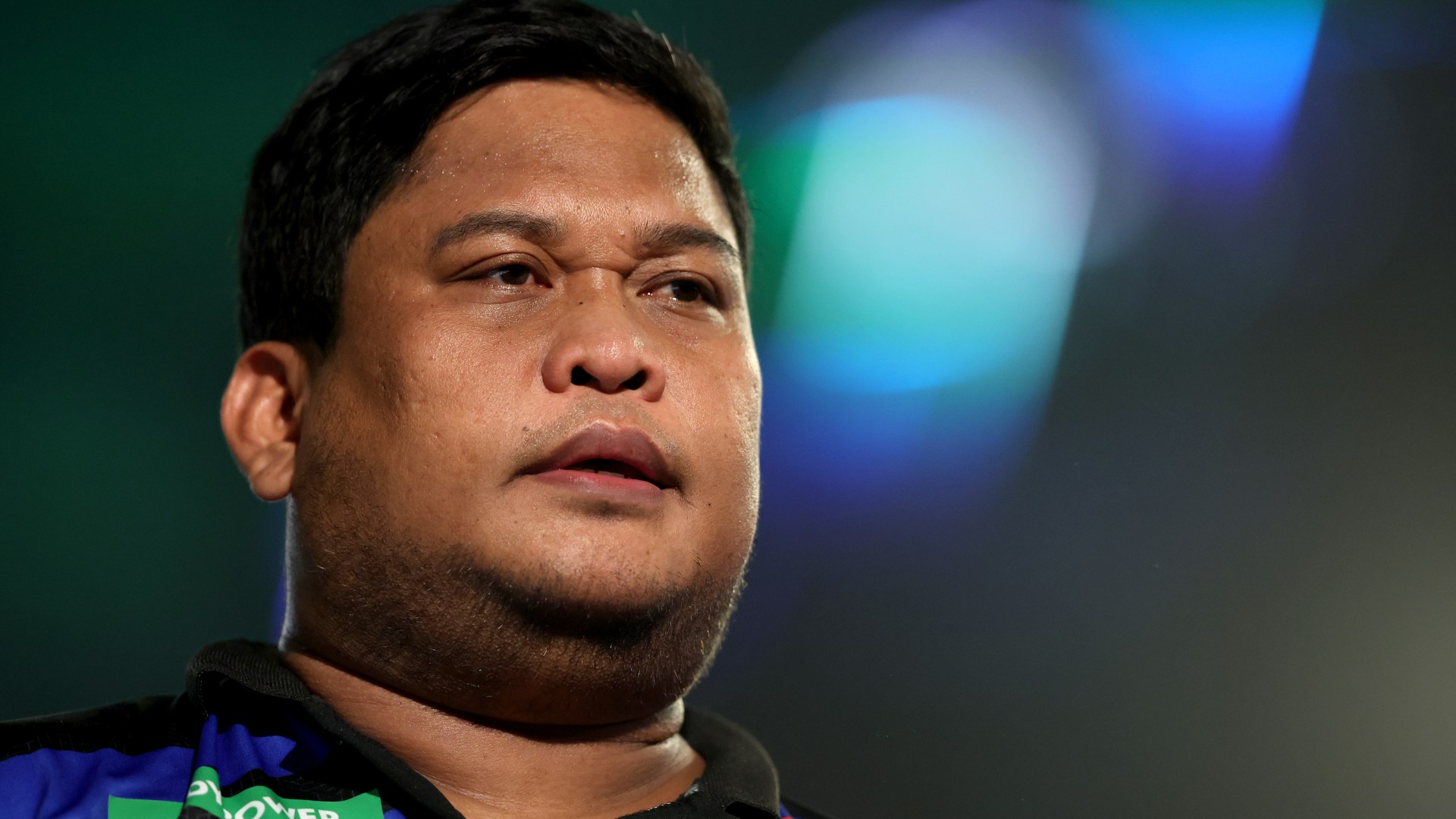
Sandro Eric Sosing, a professional darts player from the Philippines, was forced to withdraw from his first-round match at the 2023 PDC World Darts Championship due to a sudden onset of numbness and muscle pain. Prior to his scheduled match against Ian White, Sosing reported feeling unwell and was subsequently examined by onsite medical personnel. Recognizing the seriousness of his symptoms, the medical team transported Sosing to a local hospital for further evaluation and testing. This unfortunate turn of events prevented Sosing from competing in his second consecutive World Championship appearance, having previously lost to Lee Evans in the first round of the 2022 tournament.
Following a comprehensive neurological assessment at the hospital, Sosing was diagnosed with Guillain-Barré syndrome (GBS), a rare and serious autoimmune disorder affecting the peripheral nervous system. GBS is characterized by the body’s immune system mistakenly attacking the nerves, leading to a range of symptoms including muscle weakness, numbness, tingling, and pain. The severity of GBS can vary, with some individuals experiencing mild symptoms while others develop significant paralysis and require intensive care. The diagnosis of GBS explained Sosing’s sudden onset of symptoms and necessitated immediate medical intervention.
The Professional Darts Corporation (PDC) released a statement confirming Sosing’s diagnosis and providing an update on his condition. The statement indicated that Sosing remained hospitalized while undergoing treatment for GBS, but was expected to be able to return home soon. The PDC also relayed Sosing’s gratitude for the well wishes and messages of support he had received. The news of Sosing’s illness resonated throughout the darts community, with many expressing their concern and sending positive thoughts to the Filipino player.
Guillain-Barré syndrome, the condition afflicting Sosing, is a rare neurological disorder in which the body’s immune system attacks the peripheral nervous system. This attack disrupts the communication between the brain and the body, leading to a variety of symptoms. Initial symptoms often include tingling, numbness, or pins and needles sensations in the hands and feet, followed by progressive muscle weakness and difficulty moving the joints. The weakness can spread to the arms, legs, and even the face, impacting breathing, swallowing, and speaking. In severe cases, GBS can cause paralysis and require mechanical ventilation. Prompt diagnosis and treatment are crucial to manage the symptoms and prevent long-term complications.
While the exact cause of GBS remains unknown, it is often preceded by a bacterial or viral infection, suggesting a possible trigger for the immune system’s misdirected attack. Treatment typically involves supportive care, including monitoring vital functions and managing pain. Immunotherapies, such as plasma exchange and intravenous immunoglobulin (IVIG), are often used to modulate the immune response and reduce inflammation. The recovery from GBS can be lengthy, ranging from weeks to months, with some individuals experiencing residual weakness or other neurological issues. Rehabilitation and physical therapy play a vital role in regaining strength and function.
The sudden withdrawal of Sosing from the World Darts Championship due to GBS underscored the unpredictable nature of health issues and the impact they can have on professional athletes. Despite qualifying for the prestigious tournament for the second year in a row, Sosing was unable to compete due to his unexpected illness. While he forfeited the £7,500 first-round prize money, the focus shifted to his health and recovery. The darts community rallied in support, demonstrating the camaraderie and concern within the sport. As Sosing continues his treatment and recovery, the darts world awaits his eventual return to the oche.