


The World Darts Championship at Alexandra Palace is not just a competition for the coveted title; it’s also a high-stakes pursuit of the most 180s, a feat that adds another layer of excitement to the tournament. While the players themselves don’t receive direct financial rewards for achieving these maximum scores, each 180 reverberates beyond the oche, triggering a £1,000 donation from Paddy Power to Prostate Cancer UK. This charitable initiative transforms the pursuit of perfection into a force for good, adding a philanthropic dimension to the sporting spectacle. The 2024 championship has already witnessed a flurry of 180s, with Kevin Doets leading the charge, closely followed by Kim Huybrechts and Leonard Gates.
The quest for the most 180s has become an integral part of the World Darts Championship narrative, with records constantly being challenged and broken. Michael Smith holds the individual record, achieving a staggering 83 maximums in the 2022 tournament, surpassing Gary Anderson’s previous record of 71. While Smith ultimately finished as runner-up that year, his 180 tally underscored his prowess and foreshadowed his eventual championship victory in 2023. The record for the most 180s in a single tournament continues to climb, with the 2024 championship already surpassing the previous high of 901 set in 2023. This upward trend suggests that the pursuit of maximums is becoming increasingly integral to the sport’s evolution, pushing players to new levels of precision and power.
The list of players with high 180 counts in the 2024 championship is extensive and reflects the increasing competitiveness of the sport. From seasoned veterans like Michael van Gerwen and Peter Wright to rising stars like Luke Woodhouse and Keane Barry, the pursuit of 180s is a universal ambition. This competitive landscape, coupled with the charitable aspect of the 180 count, adds an extra dimension to the tournament, captivating fans and generating excitement beyond the traditional championship narrative. The 180, therefore, becomes more than just a score; it’s a symbol of skill, a driver of charitable giving, and a testament to the ever-evolving nature of darts.
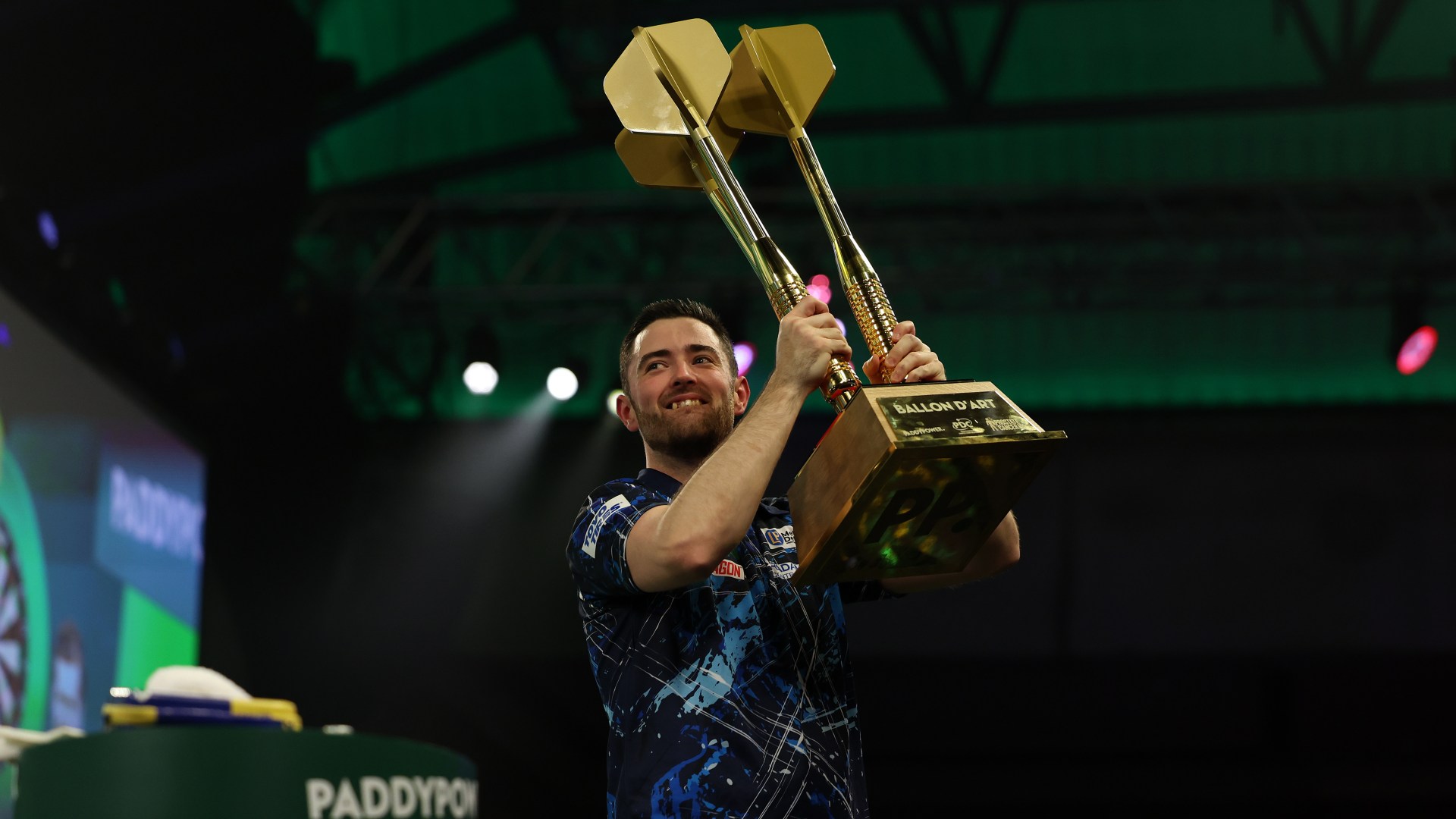
Historically, the number of 180s achieved in the World Darts Championship has seen a consistent upward trend, reflecting the increasing skill level of the players and the growing popularity of the sport. The 2024 championship, with its record-breaking number of 180s, reinforces this trend. This year’s champion, Luke Humphries, hit an impressive 73 maximums, showcasing the importance of this feat in achieving ultimate victory. While players aren’t directly rewarded financially for achieving 180s, the prestige and recognition associated with this accomplishment, coupled with its contribution to a worthy cause, make it a highly sought-after achievement.
The past ten years have seen several notable 180 performances, with players like Michael Smith, Gerwyn Price, Peter Wright, and Gary Anderson consistently featuring among the highest scorers. These players represent the elite of the sport, and their ability to consistently hit 180s is a testament to their skill and dedication. The data suggests a correlation between a high 180 count and tournament success, although not always a guarantee of victory. Michael Smith’s journey from record-breaking 180s in 2022 to eventual championship victory in 2023 exemplifies this complex relationship.
In conclusion, the pursuit of 180s at the World Darts Championship is more than just a statistical subplot; it’s a dynamic element that adds depth and excitement to the tournament. It’s a testament to the increasing skill level of the players, a driver of charitable giving, and a symbol of the ever-evolving nature of the sport. The rising number of 180s year after year suggests that this trend will continue, further solidifying the 180’s place as a crucial and captivating aspect of the World Darts Championship. The combination of sporting achievement and charitable impact creates a compelling narrative that resonates with fans and reinforces the positive impact of the sport beyond the competitive arena.