


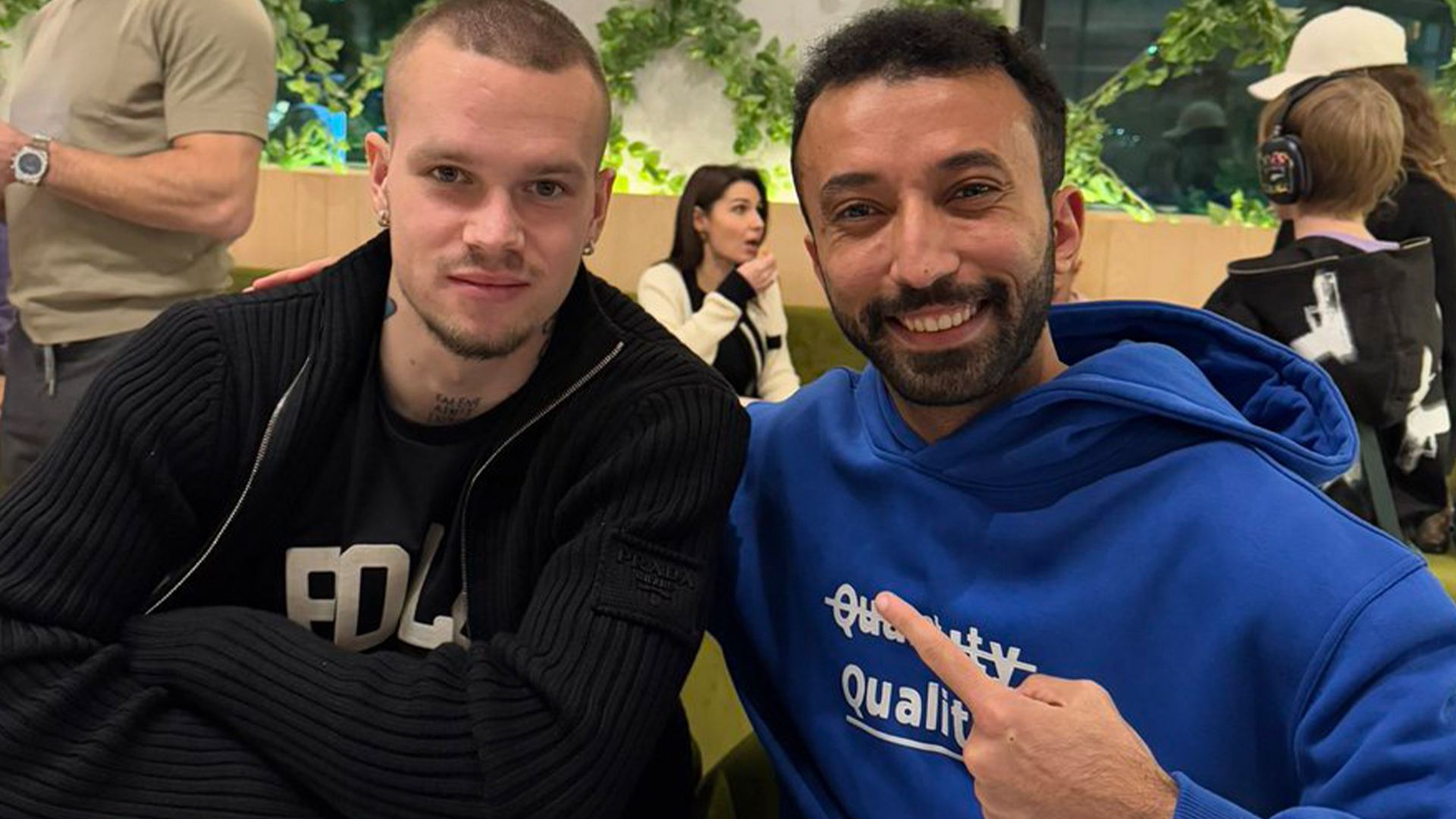
Mykhailo Mudryk, the 23-year-old Chelsea winger, finds himself embroiled in a doping controversy after testing positive for meldonium, a banned substance. The news broke shortly after Mudryk was photographed in Saudi Arabia, reportedly supporting fellow Ukrainian Oleksandr Usyk in his boxing rematch against Tyson Fury. A photo circulating on social media shows Mudryk with a Chelsea fan YouTuber, who claims to have spoken briefly with the player. According to the fan, Mudryk expressed hope that everything would be alright, acknowledging the trust placed in him by Chelsea fans worldwide and denying intentional use of performance-enhancing substances.
The positive test, which dates back to October, has resulted in a provisional suspension for Mudryk, who faces a potential ban of up to four years. Meldonium, added to the World Anti-Doping Agency’s (WADA) prohibited list in 2016, is known for its purported benefits in enhancing athletic performance. The substance is believed to allow the body to conserve oxygen and recover energy more efficiently, thus aiding athletes in withstanding greater physical stress. While widely used in Eastern Europe for heart disease treatment, meldonium’s performance-enhancing properties have led to its prohibition in competitive sports.
Mudryk has vehemently denied knowingly using any banned substances, expressing shock at the positive test result. He has pledged to cooperate fully with his team to investigate the circumstances surrounding the presence of meldonium in his system. This assertion of innocence is echoed by Chelsea’s interim manager, Enzo Maresca, who has publicly expressed his belief in Mudryk’s innocence and confidence in his eventual return to the team. While the timeline remains uncertain, Maresca’s support offers a glimmer of hope for Mudryk’s future at Chelsea.
The Mudryk case bears resemblance to other high-profile doping controversies involving meldonium, most notably Maria Sharapova’s 2016 suspension. The former tennis world No. 1 claimed ignorance of the drug’s addition to the banned list, attributing her long-term use to various health issues. Her initial two-year ban was later reduced to 15 months on appeal. Similarly, Russian boxer Alexander Povetkin also tested positive for meldonium in 2016, further highlighting the prevalence of the drug, particularly in Eastern European sporting circles.
Mudryk’s positive test casts a shadow over his promising career at Chelsea, where he arrived in January 2023 for a hefty £88 million transfer fee. The Ukrainian winger joined the club with high expectations, seen as a key addition to the team’s attacking prowess. Now, his future hangs in the balance as he awaits the outcome of the investigation and the potential ramifications of a lengthy ban. The situation serves as a reminder of the strict anti-doping regulations in place and the severe consequences athletes face for violating them, regardless of intent.
This unfolding saga highlights the complexities surrounding doping in sports. While the presumption of innocence is paramount, the presence of a banned substance triggers a process that could dramatically impact an athlete’s career. Mudryk’s case underscores the importance of thorough investigations to ascertain the facts and determine appropriate sanctions. The coming weeks and months will be crucial for Mudryk as he navigates this challenging period, striving to clear his name and preserve his future in professional football. The ultimate outcome will undoubtedly shape not only his career trajectory but also contribute to the ongoing conversation surrounding doping in the world of sports.