

The absence of the Manchester United vs. Bournemouth match from television broadcasts stemmed from scheduling conflicts with the Carabao Cup. Originally slated for a 3 PM kickoff on Saturday, December 21st, the match was rescheduled due to Manchester United’s progression to the Carabao Cup quarter-finals. This resulted in Sky Sports opting to broadcast the Fulham vs. Southampton match at 2 PM instead, preempting the Manchester United game. This decision, prioritizing a different fixture, left fans without a televised option for the United vs. Bournemouth clash. The scheduling congestion further complicated matters, with a packed Sunday featuring four simultaneous 2 PM kickoffs: Everton vs. Chelsea, Fulham vs. Southampton, Leicester vs. Wolves, and Manchester United vs. Bournemouth. The pre-Christmas football schedule culminated with a highly anticipated match between Tottenham and league leaders Liverpool, further intensifying the competition for broadcast slots.
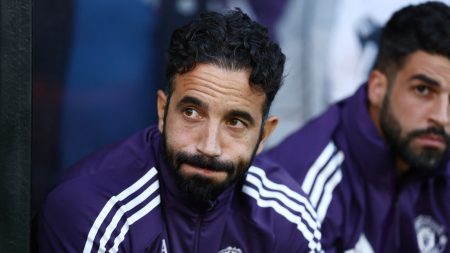
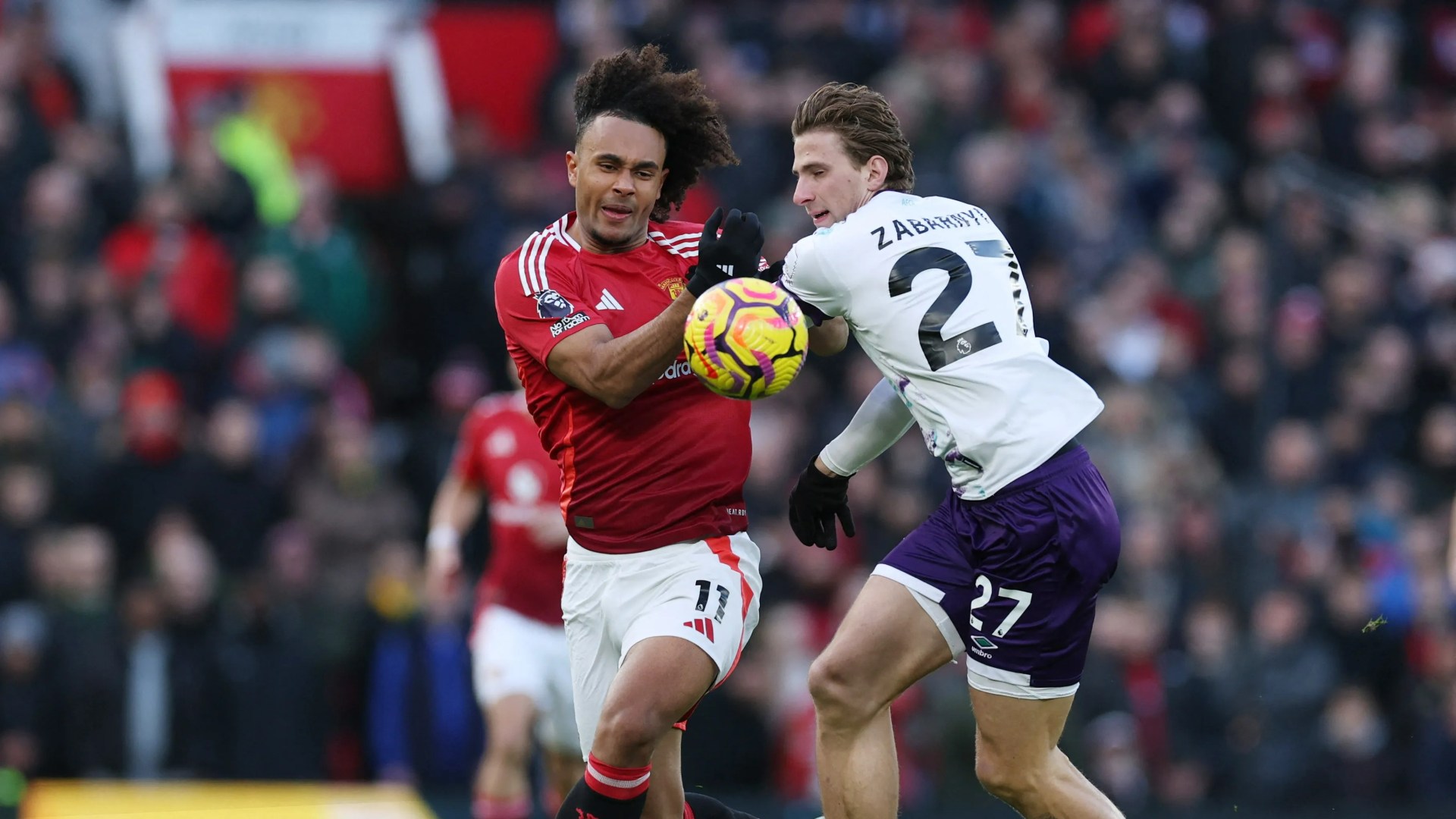
Focusing on the team dynamics, Manchester United manager, Ruben Amorim, implemented significant changes to his starting lineup following the defeat against Tottenham. Notably absent was Marcus Rashford, while Amad Diallo, the derby hero, earned a starting position. Noussair Mazraoui also joined the starting XI, bolstering the back three. Joshua Zirkzee replaced Rasmus Hojlund as the central striker. Furthermore, Manchester United officials confirmed Matthijs de Ligt’s continued absence due to illness. On the Bournemouth side, only one change was made from their underwhelming performance against West Ham: Tyler Adams replaced Lewis Cook in the starting lineup.
The prevailing weather conditions added another layer of complexity to the match. Described as “baltic, windy, and raining,” the unpleasant weather created a less-than-ideal environment for both players and spectators. These conditions were expected to impact set-pieces, potentially making them more challenging to execute accurately. While the adverse weather might hinder precise plays, it could also introduce an element of unpredictability, potentially benefiting either team.
The clash between Manchester United and Bournemouth held significance for both sides. Manchester United, seeking to rebound from their previous defeat, aimed to secure a victory and maintain their position in the league. Bournemouth, looking to improve upon their lackluster performance against West Ham, hoped to capitalize on any potential vulnerabilities in the Manchester United lineup. The match promised to be a test of both teams’ resilience and adaptability in challenging circumstances.
Beyond the immediate implications of the match result, the game provided an opportunity for individual players to showcase their skills and contribute to their respective teams. Amad Diallo, given a starting role, aimed to build upon his derby heroics and solidify his place in the team. Joshua Zirkzee, leading the attack, sought to demonstrate his goal-scoring prowess. For Bournemouth, Tyler Adams, brought into the starting lineup, aimed to make a positive impact and justify his selection. The match served as a platform for players to prove their worth and contribute to their teams’ objectives.
The lack of television coverage for the match underscores the complexities of football scheduling and the challenges of accommodating multiple competitions and broadcast demands. While fans were undoubtedly disappointed by the inability to watch the game on television, the circumstances surrounding the scheduling conflict highlight the intricate balancing act involved in managing a packed football calendar. The match, despite its absence from television screens, held significant implications for both teams and offered players an opportunity to shine amidst challenging conditions.