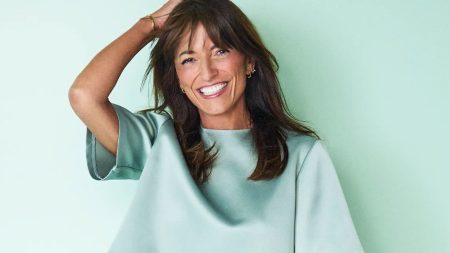

Zoe Ball’s career in broadcasting spans decades, marked by her versatility, charisma, and pioneering spirit. From her early introduction to television as a child, watching her father, children’s TV presenter Johnny Ball, on set, to becoming a prominent figure on both radio and television, Zoe’s trajectory has been a captivating blend of hard work, talent, and seizing opportunities. She transitioned seamlessly from children’s programming to mainstream broadcasting, becoming a familiar face in British homes and a respected voice on the airwaves. Her ability to connect with audiences of all ages solidified her status as a beloved media personality.
Zoe’s journey began with presenting children’s television, notably on the show Playdays. After honing her skills behind the scenes, she ascended to the coveted role of Top of the Pops host, sharing the stage with other rising stars of the time. This exposure catapulted her into the public eye and paved the way for more prominent roles, including presenting Live & Kicking on BBC One and The Big Breakfast on Channel 4. These high-profile positions demonstrated her adaptability and quick wit, establishing her as a versatile presenter capable of handling both live and pre-recorded formats.
A pivotal moment in Zoe’s career arrived with her appointment as co-host of the BBC Radio 1 Breakfast show alongside Kevin Greening. This marked not only her foray into radio but also a historic moment, as she became the first female DJ to hold the position. Her subsequent promotion to sole host further cemented her groundbreaking status and underscored her growing influence in the industry. This role showcased her ability to connect with listeners on a personal level, fostering a sense of community through her warm and engaging on-air presence. She eventually chose to leave the show in 2000 to prioritize family life, a decision that reflected her values and commitment to personal growth.
Throughout the 2000s, Zoe remained a prominent figure on television, hosting a diverse range of programs. From prestigious events like the Brit Awards to reality shows like Soapstar Superstar and Grease Is The Word, she demonstrated her versatility and appeal to a broad audience. Her return to radio in 2002 with Xfm (later Radio X) further solidified her standing as a sought-after broadcaster. She even ventured into comedic territory, filling in for Ricky Gervais on radio while he filmed The Office, showcasing her adaptability and willingness to embrace new challenges.
Zoe’s participation in Strictly Come Dancing in 2005 added another dimension to her public persona. Her impressive dancing skills and natural grace captivated viewers, earning her a respectable third-place finish. Her connection to the show deepened in 2011 when she took over as host of the spin-off show, It Takes Two. This role allowed her to combine her presenting skills with her passion for dance, further solidifying her connection with the Strictly audience. She even stepped in to host the main show in 2014, demonstrating her reliability and the trust placed in her by the BBC.
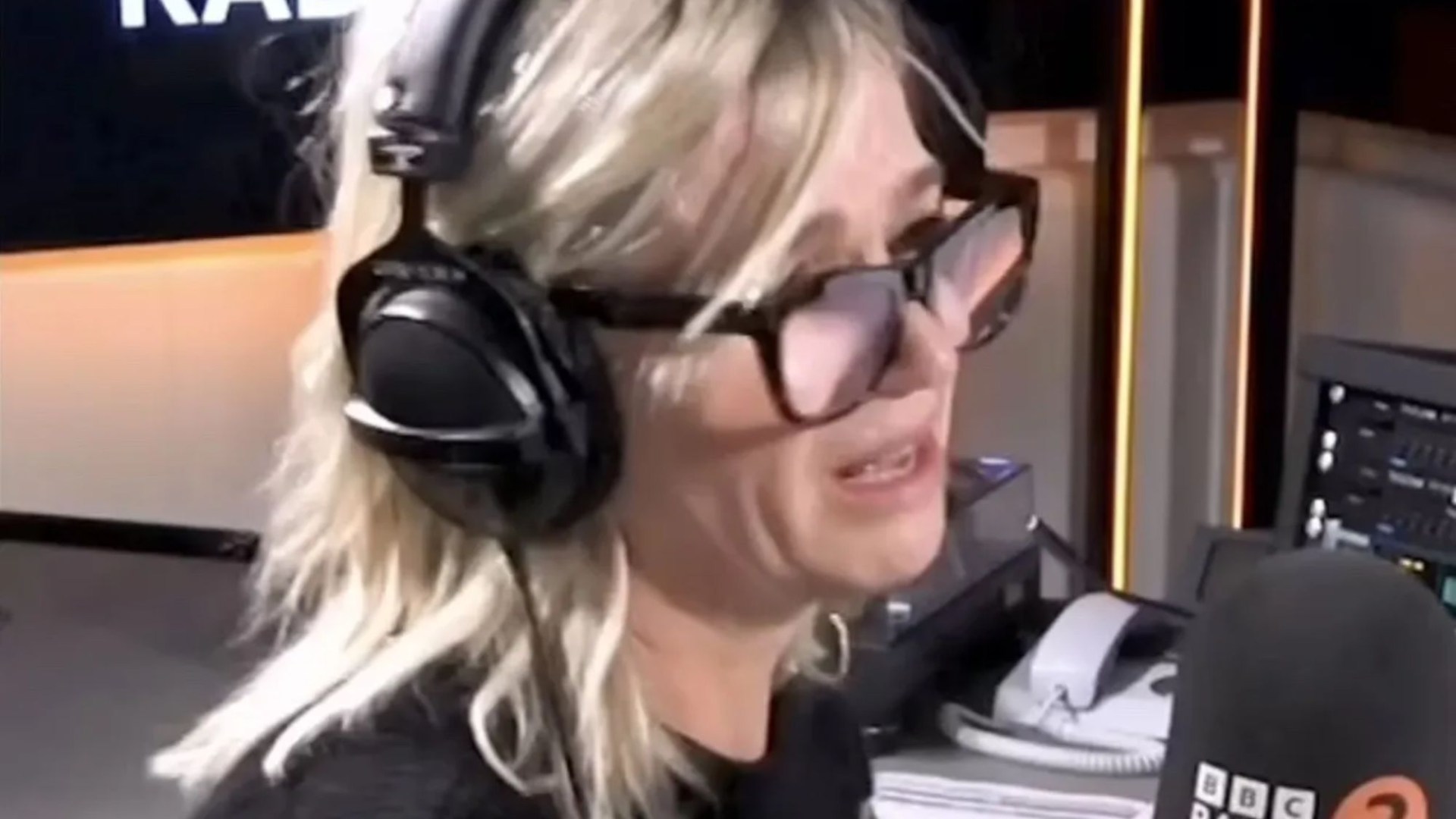
Zoe’s return to BBC Radio 2 marked a significant chapter in her broadcasting journey. Starting with specialist documentaries, she gradually took on more prominent roles, filling in for established presenters and demonstrating her versatility across different formats and time slots. Her appointment to Dermot O’Leary’s Saturday afternoon slot solidified her position within the station, paving the way for her eventual takeover of the coveted breakfast show from Chris Evans in 2019. This appointment underscored her status as one of the leading voices in British radio, a testament to her enduring popularity and her ability to connect with listeners across the nation. Her journey, from a child observing her father on set to becoming a household name in her own right, is a testament to her dedication, talent, and the enduring power of connection in the world of broadcasting.