

The landscape of the UK Christmas number one single has undergone a dramatic transformation since the turn of the millennium, reflecting evolving musical tastes, charitable endeavors, and the rise of novelty acts. The early 2000s witnessed a mix of established pop stars, reality show winners, and charity singles capturing the coveted festive top spot. From the wholesome, can-do attitude of Bob the Builder in 2000 to the sweet duet of Robbie Williams and Nicole Kidman in 2001, the early years showcased a diverse range of musical styles. The emergence of reality TV talent shows also played a significant role, propelling winners like Shayne Ward and Leona Lewis to Christmas number one glory in 2005 and 2006, respectively. This period also saw the resurgence of Band Aid with their 2004 rendition of “Do They Know It’s Christmas?”, highlighting the enduring power of charity singles during the holiday season. However, the seeds of change were already being sown, hinting at the unconventional trends that would dominate the following decades.
The late 2000s continued the mix of talent show winners, established artists, and charity efforts. Leon Jackson and Alexandra Burke, both products of the X Factor, achieved Christmas number one status in 2007 and 2008. Burke’s rendition of “Hallelujah” became a particularly poignant moment, following the tragic death of contestant Stephen Gately. However, 2009 marked a significant departure from the prevailing pop-driven landscape. Rage Against the Machine’s politically charged anthem “Killing in the Name” claimed the top spot, a testament to a grassroots campaign fueled by social media and a desire to disrupt the manufactured pop often associated with the Christmas chart. This unexpected triumph foreshadowed the growing influence of online communities in shaping musical trends and challenging the established order. The decade concluded with Matt Cardle, another X Factor winner, securing the Christmas number one in 2010 with “When We Collide,” signaling a return to the familiar pattern of reality show dominance.
The 2010s witnessed a fascinating interplay between established artists, novelty acts, and the enduring appeal of charity singles. The early years saw a continuation of the X Factor’s influence, with winners like Matt Cardle and Ben Haenow achieving Christmas number one status. However, 2012 marked another significant moment for charity-driven success. The Justice Collective, formed in response to the Hillsborough disaster, claimed the Christmas number one with a cover of “He Ain’t Heavy, He’s My Brother.” This heartwarming achievement demonstrated the power of music to unite communities and support important causes. The rise of novelty acts, particularly the unstoppable LadBaby, began to dominate the latter half of the decade. LadBaby’s sausage roll-themed parodies captured the public’s imagination, securing Christmas number one for three consecutive years, from 2018 to 2020. This marked a new era in the Christmas chart battle, where humor and lightheartedness triumphed over traditional pop sensibilities.
Ed Sheeran emerged as a prominent figure during this period, achieving Christmas number one in 2017 with “Perfect” and contributing to LadBaby’s 2021 festive hit. This underlined his versatility and enduring popularity. The 2015 victory of the Lewisham and Greenwich NHS Choir with their rendition of “A Bridge Over You” offered another touching moment of community spirit and appreciation for frontline workers, particularly resonating in the context of ongoing health challenges. Clean Bandit’s “Rockabye” in 2016 represented a successful foray into the Christmas chart for a more electronic-driven sound, demonstrating the evolving tastes of the listening public. The 2010s concluded with LadBaby’s continued reign, setting the stage for their unprecedented dominance in the years to come.
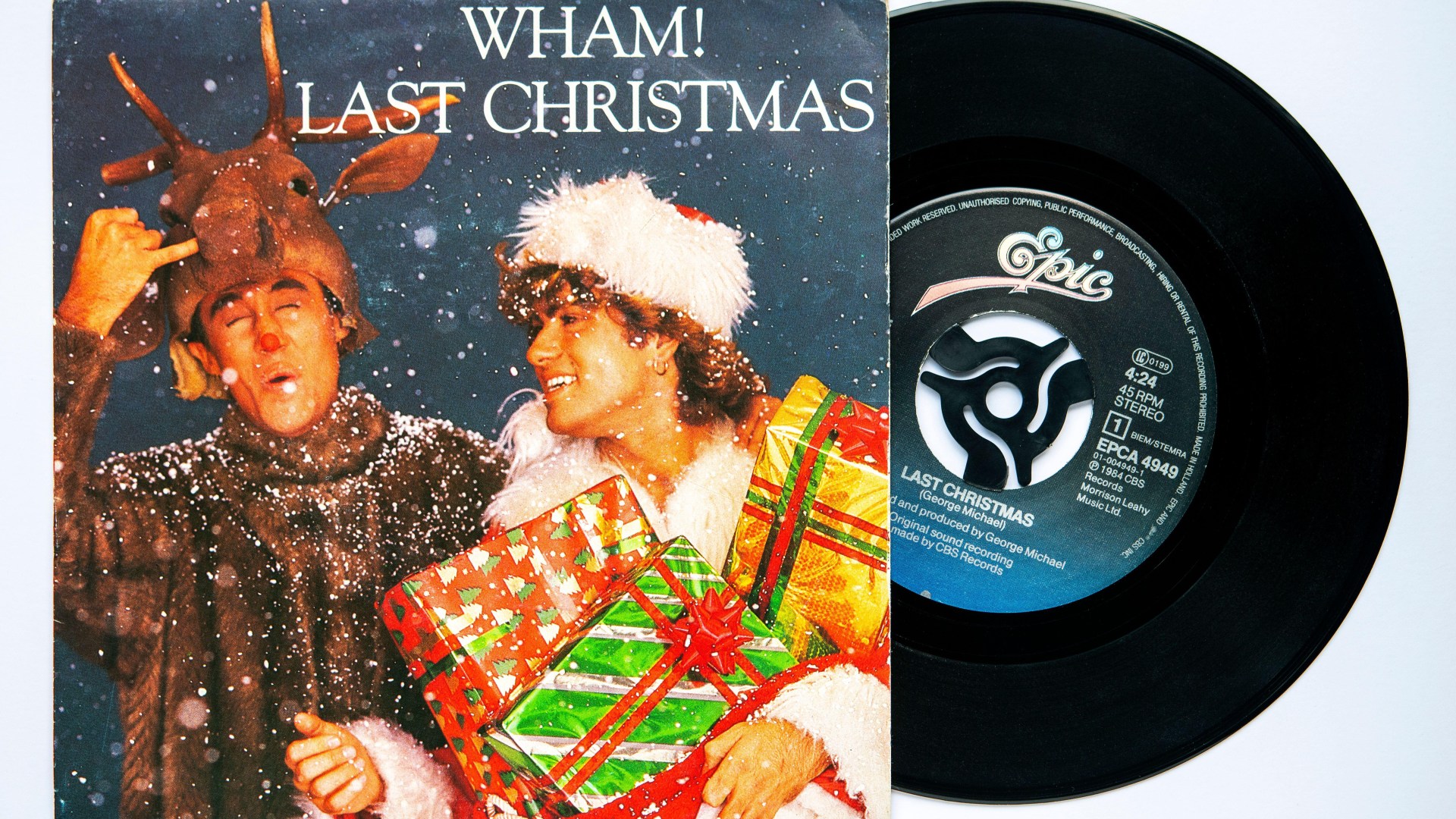
The early 2020s solidified LadBaby’s status as the kings of Christmas number one, achieving an unprecedented feat of five consecutive chart-toppers. Their sausage roll-themed parodies, often featuring collaborations with established artists like Ed Sheeran and Elton John, became a hallmark of the festive season. While some criticized their dominance as repetitive and gimmicky, others embraced the lightheartedness and charitable nature of their endeavors. Their success highlighted the changing dynamics of the music industry, where virality and online engagement play a crucial role in achieving chart success. The 2020s also witnessed the resurgence of Wham!’s classic “Last Christmas,” finally reaching the coveted number one spot in 2023, a testament to its enduring popularity and a poignant reminder of George Michael’s musical legacy.
In conclusion, the journey of the UK Christmas number one from 2000 to 2023 reveals a fascinating evolution of musical trends, the enduring power of charity, and the rise of unconventional artists. From the reality TV winners of the early 2000s to the novelty act dominance of LadBaby and the eventual triumph of Wham!, the Christmas number one has become a reflection of changing tastes, social media influence, and the unpredictable nature of popular culture. The ongoing debate between traditional pop offerings, charity singles, and novelty acts ensures that the battle for Christmas number one will continue to captivate audiences for years to come.