

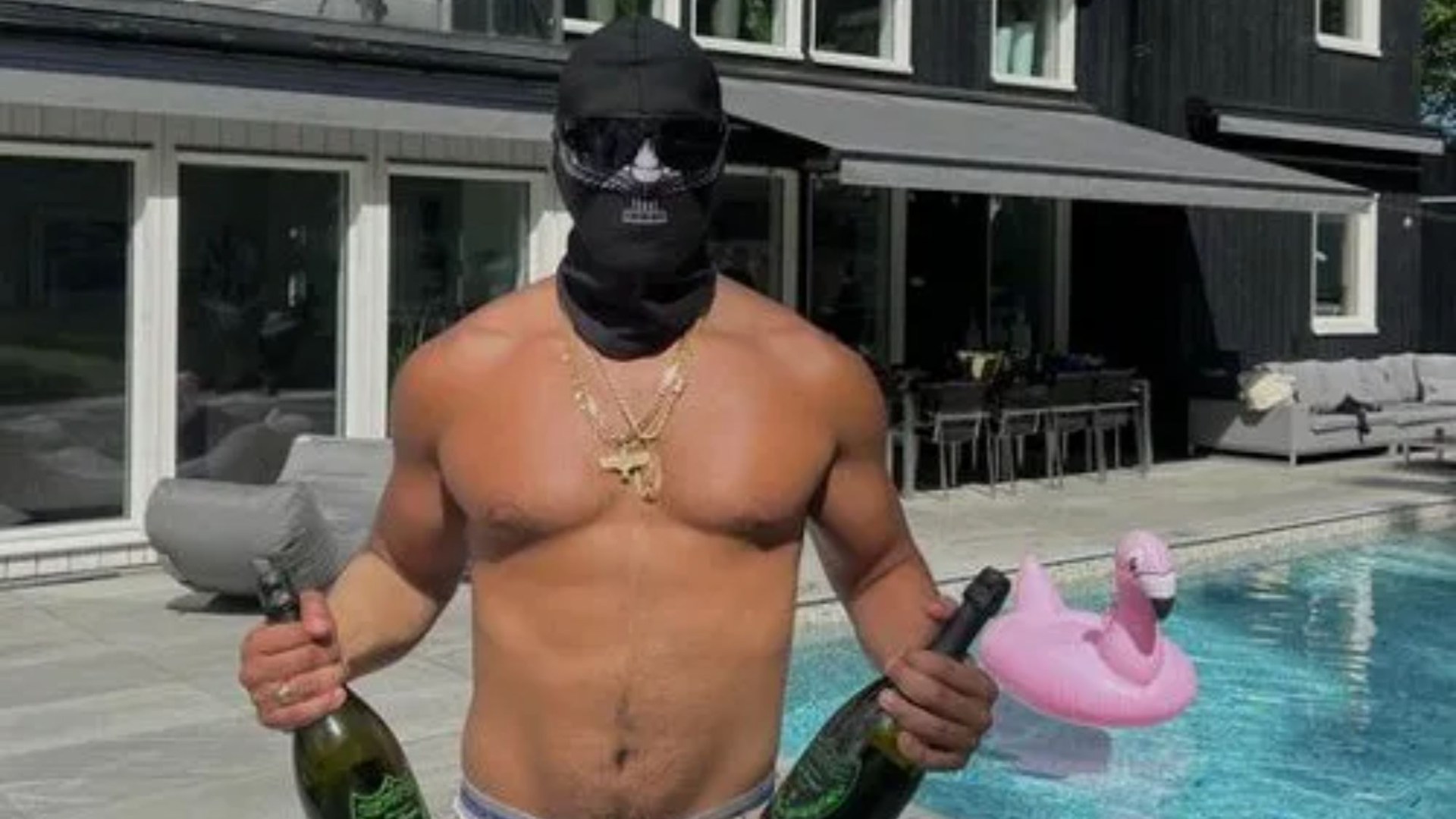
The burgeoning career of 23-year-old Swedish rapper Gaboro, whose real name was Ninos Khouri, was tragically cut short on December 20, 2024, when he was gunned down in a Norrköping car park. Gaboro, known for his distinctive masked appearance and rapidly growing fanbase, was on the cusp of international recognition with over 220,000 monthly Spotify listeners and 11 million streams on his hit song “Suavemente.” His death sent shockwaves through the music world and highlighted the alarming rise of violence within the Swedish rap scene. A disturbing video of the incident, widely circulated on social media, captured the brutal attack in which Gaboro was shot multiple times in the back by an assailant who exited a vehicle. Despite attempting to reason with his attacker after falling to the ground, Gaboro was shot again and later succumbed to his injuries in the hospital.
The chilling footage of Gaboro’s murder served as a stark reminder of the dangers plaguing the Swedish rap community. His death followed a disturbing pattern of violence targeting prominent artists within the genre. Just six months prior, in June 2024, award-winning rapper C.Gambino was killed in an ambush attack in Gothenburg. C.Gambino, acclaimed for chart-topping albums like “Sin City” and “In Memory of Some Stand Up Guys,” was considered one of Sweden’s leading musical talents. The pattern extended further back to October 2021, when rapper Einar was fatally shot in Stockholm just days before he was due to testify in a trial related to his kidnapping orchestrated by rival rapper Yasin Abdullahi Mahamoud. Mahamoud subsequently served a 10-month prison sentence for the kidnapping. Adding to the grim toll, rapper Rozh Shamal was also a victim of gun violence in 2019.
Gaboro’s murder not only extinguished a promising musical career but also underscored a broader societal issue in Sweden – a surge in gang-related violence, often intertwined with the music industry. Law enforcement officials have pointed to social media platforms as playing a significant role in this escalation, serving as virtual recruiting grounds for gangs seeking to enlist young members. The ease of communication and anonymity provided by these platforms have facilitated the organization and execution of criminal activities, including the targeted violence against rappers like Gaboro, C.Gambino, and Einar. The incidents have raised concerns about the safety of artists and the broader implications of gang influence within the music scene.
The prevalence of gun violence within the Swedish rap scene has sparked national debate and calls for action to address the underlying causes. While some attribute the violence to rivalries and disputes within the industry, others point to broader social and economic factors contributing to the rise of gang culture. Regardless of the specific causes, the recurring pattern of violence underscores the urgent need for comprehensive strategies to prevent further tragedies. These strategies could include increased police presence in high-risk areas, community outreach programs aimed at diverting youth from gang involvement, and stricter regulations on social media platforms to curb their use for criminal purposes. Addressing this complex issue requires a multifaceted approach involving law enforcement, social services, and community leaders working together to create safer environments for young people and artists alike.
The impact of Gaboro’s death reverberated far beyond the music industry, prompting reflection on the broader societal implications of violence and its connection to artistic expression. For many, Gaboro’s masked persona, once a symbol of his unique artistry, became a tragic representation of the vulnerability and dangers faced by young people caught in the crossfire of gang violence. His story serves as a poignant reminder of the human cost of this escalating crisis and the urgent need for collective action to break the cycle of violence. The loss of Gaboro, C.Gambino, Einar, and other artists represents not only a loss to the music world but also a loss of potential and a stark reminder of the fragility of life.
The tragic deaths of these rappers underscore the interconnectedness of art, society, and the consequences of unchecked violence. Gaboro, C.Gambino, and Einar, despite their differences in style and background, shared a common fate, becoming victims of a system that often fails to protect its most vulnerable members. Their stories serve as a call to action, urging society to confront the root causes of violence and create a future where artistic expression can flourish without fear of reprisal. The legacy of these artists should not be defined solely by their tragic deaths but also by the conversations they have sparked about the need for change and the importance of protecting artistic freedom and the lives of young people.