



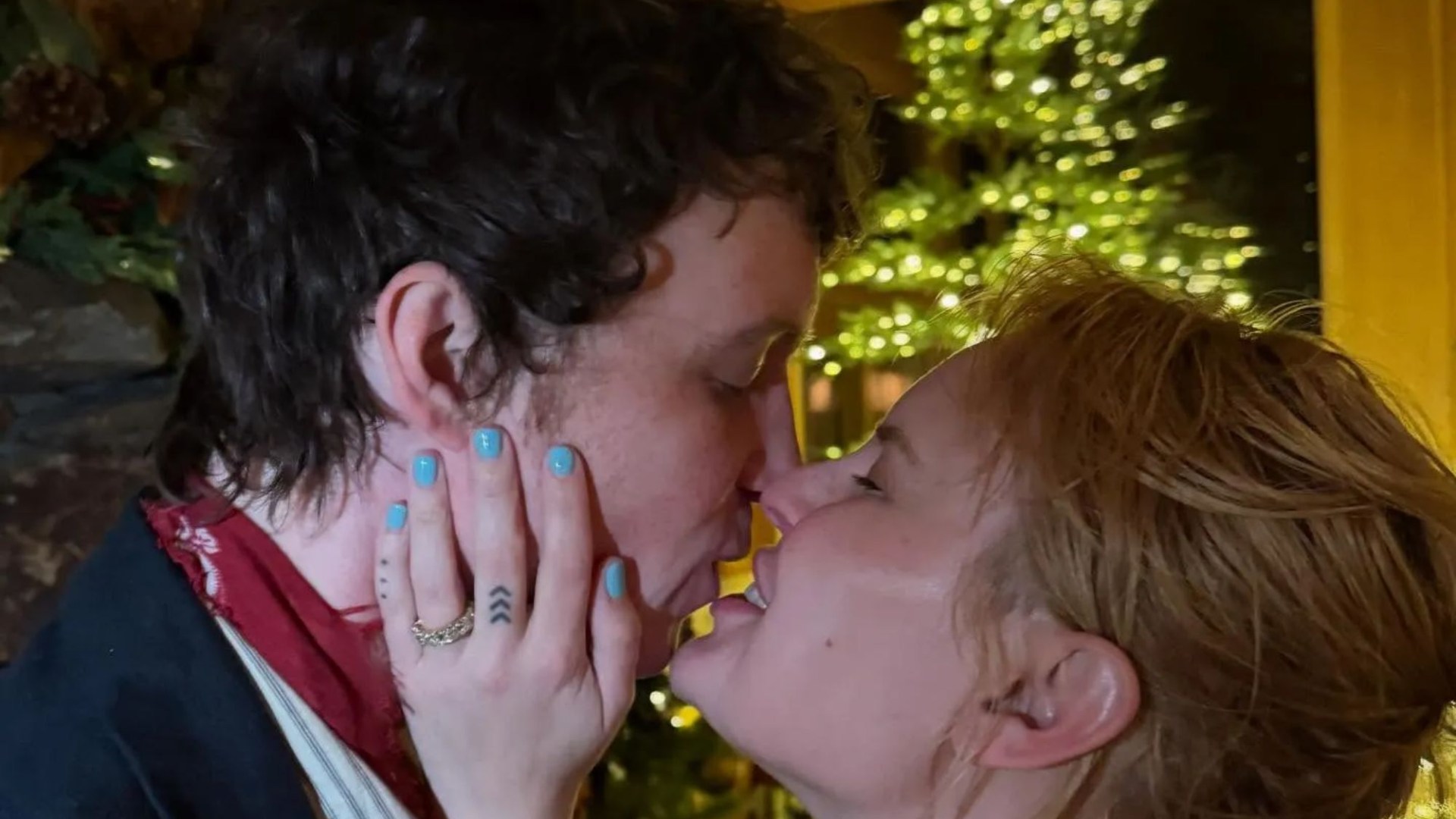
Tallulah Willis, the 30-year-old daughter of Bruce Willis and Demi Moore, has announced her engagement to musician Justin Acee. The joyous news was shared on Instagram with a collection of photos and videos capturing the proposal. One image showcased Tallulah’s impressive diamond ring, while another offered a glimpse of the romantic setting, adorned with candles and rose petals. A heartwarming video captured the moment itself, and another photo showed the happy couple sharing a kiss. The post was met with an outpouring of love and support from friends and family, including Tallulah’s sister, Rumer Willis, who expressed her excitement and affection for the couple. Emma Heming Willis, Bruce Willis’s current wife, also offered her congratulations.
This engagement marks a bright spot for Tallulah amidst the challenging circumstances surrounding her father’s health. Bruce Willis was diagnosed with aphasia in 2022, a condition affecting speech and language comprehension, leading to his retirement from acting. Earlier this year, the diagnosis was further specified as frontotemporal dementia (FTD), a debilitating neurodegenerative disease impacting personality, behavior, and language. Tallulah has previously spoken about the support she receives from Justin, highlighting the joy they share, even during difficult times. Their bond serves as a source of strength and happiness amidst the family’s ongoing struggle with Bruce’s illness.
The Willis-Moore family, despite their divorce in 2000, has remained remarkably close. Bruce Willis and Demi Moore’s relationship, which began after meeting at a movie premiere in 1987 and culminated in a Las Vegas wedding later that year, produced three daughters: Rumer, Scout, and Tallulah. Though their romantic relationship ended, their commitment to co-parenting and maintaining a strong family bond has been evident throughout the years. Both have remarried – Demi to Ashton Kutcher (later divorced) and Bruce to Emma Heming – yet they continue to support each other and celebrate milestones together. This enduring connection was particularly visible during the pandemic when Bruce, Demi, and their daughters quarantined together, further solidifying their unique family dynamic.
The family’s enduring closeness has been a source of comfort and support, particularly during Bruce’s health struggles. Demi Moore’s presence and involvement throughout Bruce’s diagnosis and treatment demonstrate the depth of their bond. The family’s public statements regarding Bruce’s condition have been transparent and heartfelt, reflecting their united front in facing this difficult challenge. Their openness has also helped raise awareness about aphasia and FTD, conditions that profoundly impact individuals and families. The Willis-Moore family’s approach to navigating this difficult chapter underscores the power of family support and the importance of maintaining strong connections, even amidst adversity.
Frontotemporal dementia (FTD), the diagnosis Bruce Willis received, is a complex and challenging neurodegenerative disorder. Unlike Alzheimer’s disease, which primarily affects memory, FTD primarily impacts the frontal and temporal lobes of the brain, which govern personality, behavior, and language. Symptoms can vary widely depending on the specific areas affected. Some individuals experience dramatic personality shifts, becoming impulsive, socially inappropriate, or emotionally detached. Others may struggle with language, experiencing difficulties with speaking, understanding, or writing. The progressive nature of FTD means that symptoms typically worsen over time, gradually impacting an individual’s ability to function independently. Currently, there is no cure for FTD, and treatment focuses on managing symptoms and providing supportive care.
The Willis family’s public acknowledgement of Bruce’s FTD diagnosis has contributed to greater awareness of this often-misunderstood disease. Their willingness to share their experience has helped shed light on the challenges faced by individuals and families affected by FTD. By openly discussing Bruce’s condition, they have encouraged greater understanding and empathy, while also prompting conversations about the importance of research and support for those living with FTD. Their advocacy underscores the power of using their platform to raise awareness and promote a more compassionate response to this challenging condition. This public approach also potentially provides comfort and validation to other families navigating similar experiences, reminding them that they are not alone in their journey.