



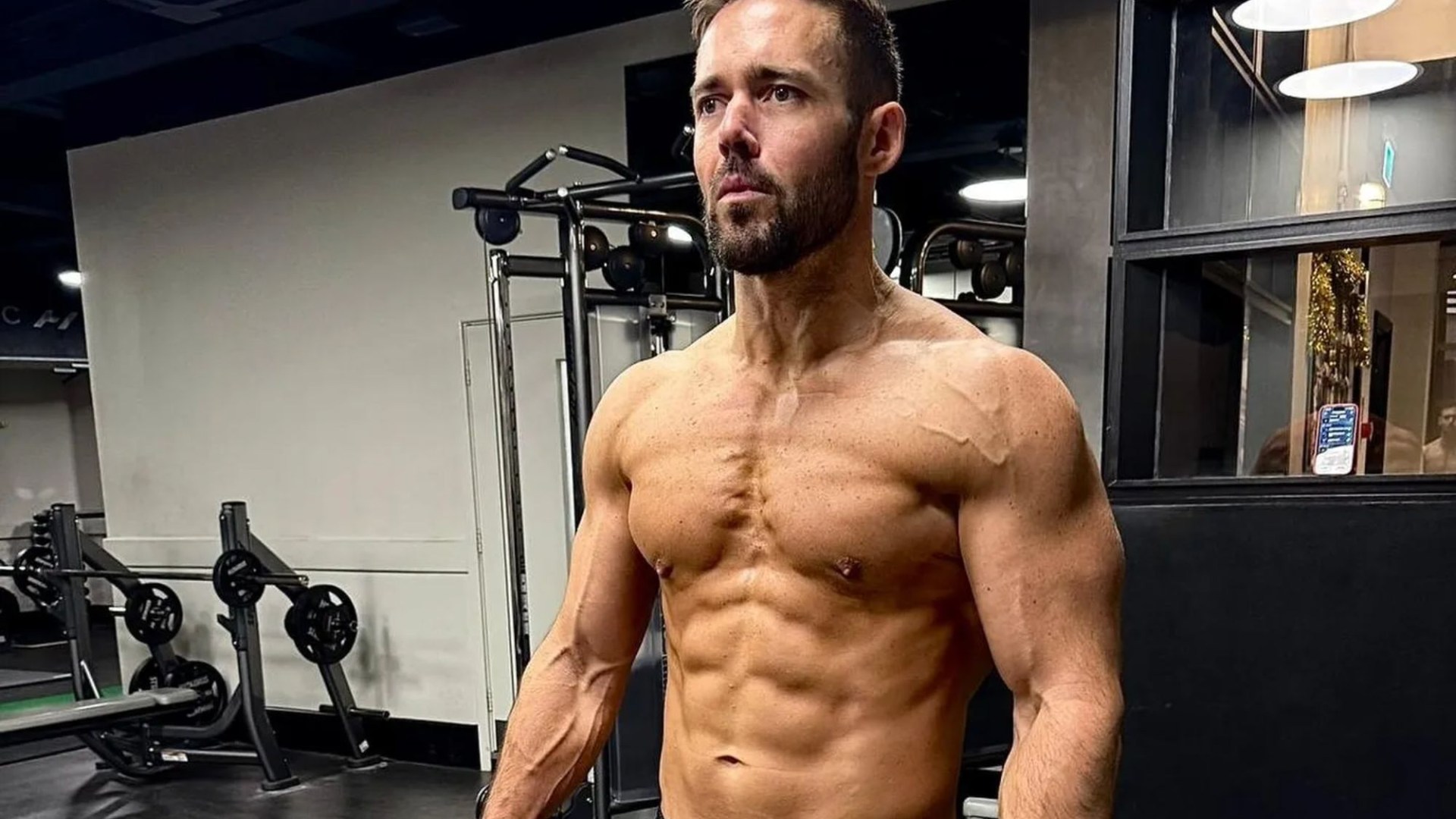
Spencer Matthews, former Made In Chelsea star, has sparked controversy after sharing his fitness and health regime on social media. His post, showcasing his impressive physique, included five key changes he attributes to his current health status: consuming unprocessed foods like steak, eggs, vegetables, and fruit; regular strength training; incorporating cardio exercises like running and cycling; abstaining from alcohol; and intermittent fasting. While some lauded his dedication, many criticized his advice as unsustainable and privileged, arguing that his lifestyle requires significant time and financial resources that are inaccessible to the majority. Concerns were also raised about the potential negative impact of intermittent fasting on women’s hormonal and blood sugar levels, with some urging him to promote more inclusive and sustainable health practices.
The core of the critique centers on the feasibility of Matthews’ regime for the average person. His emphasis on fresh, single-ingredient foods overlooks the higher cost and accessibility issues associated with such a diet. Similarly, dedicating hours to strength training and cardio, coupled with the discipline of intermittent fasting, demands a level of flexibility and time management that many individuals, particularly those with demanding jobs or family responsibilities, simply cannot afford. This perceived disconnect between Matthews’ privileged lifestyle and the reality faced by many has fueled accusations of promoting unrealistic expectations and potentially harmful dietary practices.
Matthews’ journey from reality TV bad boy to fitness enthusiast reflects a significant personal transformation. His past struggles, including a public departure from “I’m A Celebrity, Get Me Out Of Here” due to steroid use, contrast sharply with his current clean-living image. He has since embraced a healthier lifestyle, exemplified by his participation in extreme physical challenges like running 30 marathons in 30 days across the Jordanian desert. This dramatic shift underscores a personal commitment to fitness and philanthropy, as the marathon challenge raised over £511,000 for charity.
However, this dramatic transformation also highlights the stark contrast between his current lifestyle and his past. Matthews’ previous persona, characterized by partying and a less health-conscious approach, is readily accessible to the public through past episodes of Made In Chelsea. This visibility creates a potential disconnect for followers who may struggle to reconcile his past behavior with his current advocacy for a disciplined and demanding health regime. It also raises questions about the long-term sustainability of such a drastic lifestyle change.
Beyond fitness, Matthews has also embarked on deeply personal endeavors, including the documentary “Finding Michael,” which chronicles his search for his brother’s body on Mount Everest. This project reveals a more vulnerable side and demonstrates a willingness to share intimate aspects of his life with the public. The documentary’s emotional resonance with viewers further solidifies his transition from a reality TV personality known for his boisterous behavior to a more complex and relatable figure.
Despite these personal achievements and philanthropic efforts, the criticism surrounding his fitness advice remains. The debate underscores the importance of acknowledging privilege and promoting health practices that are accessible and beneficial to a wider audience. While Matthews’ personal transformation is commendable, the controversy serves as a reminder that fitness advice should be tailored and consider diverse circumstances and potential health implications for different individuals.