


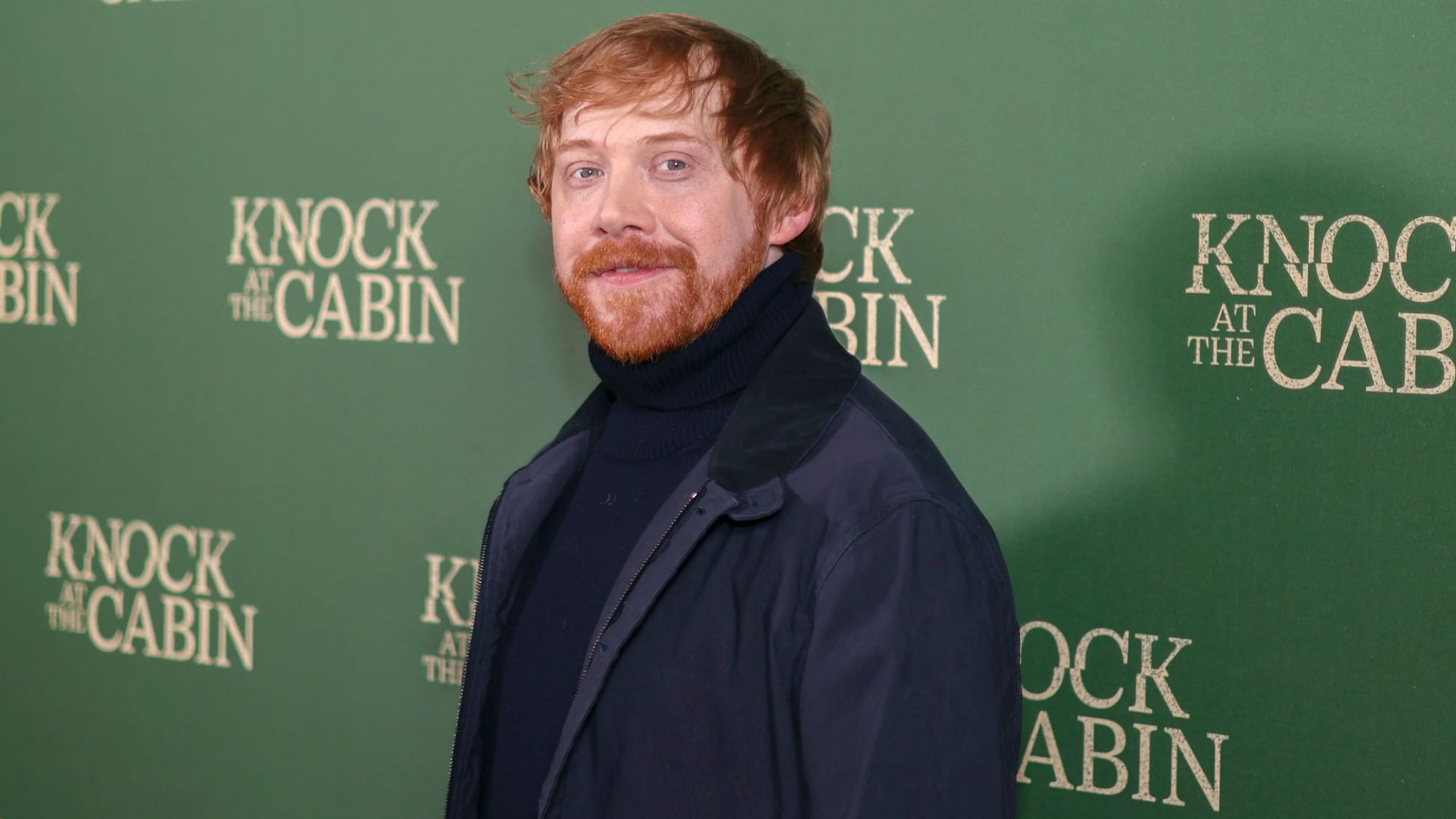
Rupert Grint, renowned for his portrayal of Ron Weasley in the Harry Potter film franchise, has secured planning permission to transform his historic 18th-century country estate in Hertfordshire, England, into what he terms an “eco-village.” The ambitious project, which has been the subject of a two-year planning battle, involves the construction of 15 new properties, including six apartments within the existing manor house, five detached houses overlooking a lake, and four affordable terraced homes. The development will also feature an outdoor swimming pool, a gym, tennis courts, and landscaped walled gardens, alongside the existing lake and pond. Grint, who purchased the property in 2009 for £5.4 million, envisions the development as a sustainable community, although this claim has been met with skepticism from local residents.
The approval of Grint’s application has sparked outrage among some villagers, who view the project as a “money-making scheme” disguised as an eco-friendly initiative. Davina Malcolm, a long-time resident of the area, has voiced strong opposition to the development, characterizing it as a “tragic act of vandalism” that will irrevocably alter the semi-rural landscape. Her primary concern centers on the planned removal of between 30 and 50 mature trees, a move she fears will exacerbate flood risks in the area. While Grint’s team has pledged to replant trees elsewhere on the estate, Ms. Malcolm remains unconvinced by this mitigation strategy, arguing that newly planted trees will not immediately compensate for the loss of mature trees and their crucial role in water absorption.
The contentious issue of the trees underscores the broader debate surrounding the “eco-village” designation. Ms. Malcolm disputes the sustainability of the project, pointing out that the village relies heavily on car transportation due to inadequate public transport. The construction of five large executive homes, she argues, contradicts the principles of an eco-conscious development. Furthermore, she expresses concern that Grint may now sell the land, having secured the desired planning permission, thereby undermining the intended purpose of the project.
The planning application, submitted in October 2022, faced considerable scrutiny, with 16 objections lodged against it and only one in support. The decision, originally expected last summer, was delayed due to the need for Grint’s team to provide further documentation addressing concerns related to noise, parking, drainage, and the impact on trees. Despite the vocal opposition, the planning committee ultimately approved the application unanimously, with ten councillors voting in favor and one abstaining. This outcome has left residents like Ms. Malcolm feeling powerless and frustrated, believing their concerns were ignored. She actively followed the planning process online, and even spoke at the council meeting to express her objections in person, but feels her efforts were ultimately futile.
The controversy surrounding the development highlights the complex interplay of environmental concerns, community interests, and celebrity influence in planning decisions. While Grint’s vision of creating an eco-village may have genuine merit, the project has undeniably generated significant local resistance. The scale of the development, particularly the removal of mature trees, has raised questions about its true environmental impact. Furthermore, the skepticism surrounding the “eco-village” label suggests a disconnect between the developer’s intentions and the perceptions of local residents.
The planning process, while ultimately resulting in approval for Grint’s project, exposed deep divisions within the community. The overwhelming number of objections, coupled with the passionate pleas of residents like Ms. Malcolm, underscores the importance of considering local voices in development decisions. While the project may proceed as planned, the lingering resentment and concerns about its environmental impact serve as a reminder of the delicate balance between development and preservation. The future of Grint’s “eco-village” remains to be seen, but the controversy surrounding its creation has undoubtedly left a lasting impression on the local community. The actor, who rose to fame as a teenager in the first Harry Potter film in 2001 and has amassed an estimated £24 million from his role as Ron Weasley, has more recently starred in the Apple TV+ psychological horror series “Servant”. This latest venture into property development marks a new chapter in his career, albeit one met with considerable local resistance.