



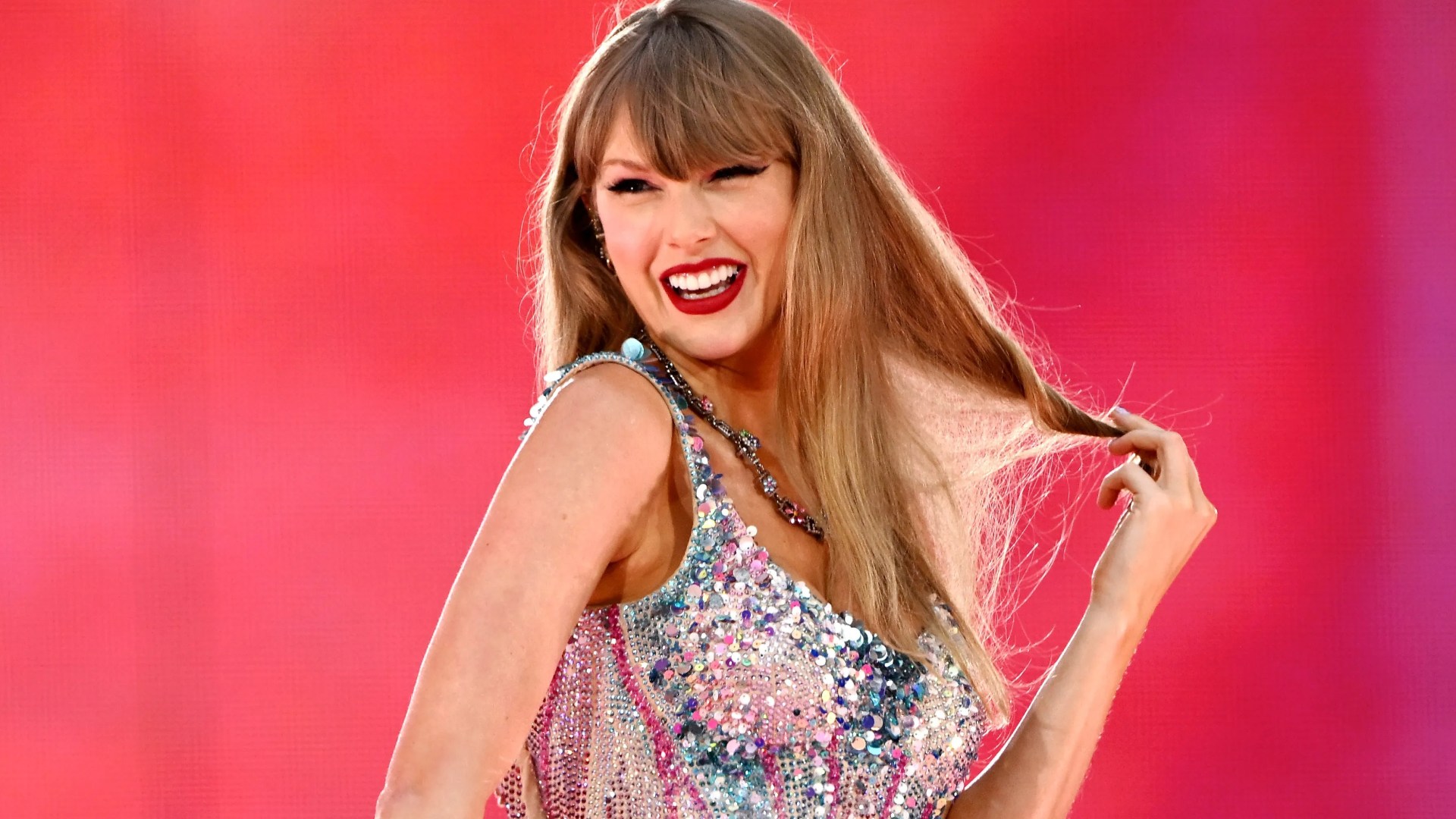
The frenzy surrounding Taylor Swift’s Eras Tour extended beyond concert tickets to encompass her commemorative tour book, sparking a resale market explosion that left many fans frustrated and empty-handed. The £35 book, intended to capture the magic of Swift’s record-breaking tour, sold out in the UK in a mere 180 seconds, creating an immediate opportunity for opportunistic resellers. Second-hand copies rapidly appeared on online marketplaces like eBay, with prices soaring to exorbitant levels, reaching as high as £235 – over six times the original retail price. This surge in resale value ignited outrage among fans, many of whom accused resellers of exploiting the high demand and Swift’s dedicated fanbase for personal profit.
Despite efforts by Taylor Swift and her team to mitigate resales by limiting purchases to two books per person in the UK, the demand proved overwhelming. The rapid sell-out, occurring in under three minutes, left countless fans disappointed, particularly those hoping to secure a copy for themselves or as a gift. Adding to the frustration, the book itself, dubbed the “Errors Tour Book” by some fans, was plagued with production issues, including upside-down pages, grammatical errors, and blurry images. These imperfections, coupled with the inflated resale prices, further fueled the disappointment among those who missed out on the initial sale.
The 256-page Eras Tour Book, featuring 500 new images from the tour and personal notes from Taylor Swift reflecting on her life on the road, held immense appeal for fans eager to relive the concert experience. Its release in the US the week prior saw it become the fastest-selling non-fiction book of the past decade, a feat it was expected to replicate in the UK. However, the rapid sell-out and subsequent price gouging by resellers overshadowed the book’s release and left many UK “Swifties” feeling cheated and exploited. Social media platforms became a sounding board for their frustrations, with many pleading with Taylor Swift and her team to restock the book to combat the exorbitant resale market.
The clamor for the Eras Tour Book underscored the immense popularity and cultural impact of Taylor Swift and her record-shattering tour. The 149-show global trek, culminating in Vancouver, Canada, earned the title of the highest-grossing tour ever, amassing over £1.52 billion in ticket sales alone. This financial success was further amplified by the demand for merchandise, including the tour book, demonstrating the powerful connection Swift has cultivated with her fanbase. The UK leg of the tour included a record-breaking eight sold-out shows at Wembley Stadium, further solidifying Swift’s status as a global superstar.
The controversy surrounding the Eras Tour Book resale market highlighted the challenges artists face in controlling the distribution and pricing of their merchandise. While efforts were made to limit purchases and curb resales, the sheer demand and the speed at which the book sold out created an environment ripe for exploitation. The incident served as a stark reminder of the power of the secondary market and the lengths some individuals will go to capitalize on the popularity of highly sought-after items. The frustration expressed by fans underscores the need for more effective strategies to manage merchandise sales and prevent price gouging, ensuring that genuine fans have a fair opportunity to acquire these commemorative items at reasonable prices.
The experience with the Eras Tour Book serves as a valuable lesson for both artists and the music industry. As fan engagement and merchandise sales become increasingly important revenue streams, finding ways to mitigate resale market abuses and protect fans from exorbitant pricing will be crucial. This may involve exploring alternative distribution models, increasing production runs to meet demand, or implementing stricter measures to identify and penalize resellers. Ultimately, fostering a positive relationship with the fanbase requires a commitment to fair and accessible merchandise practices, ensuring that the joy of owning a piece of the artist’s work isn’t overshadowed by frustration and exploitation.