



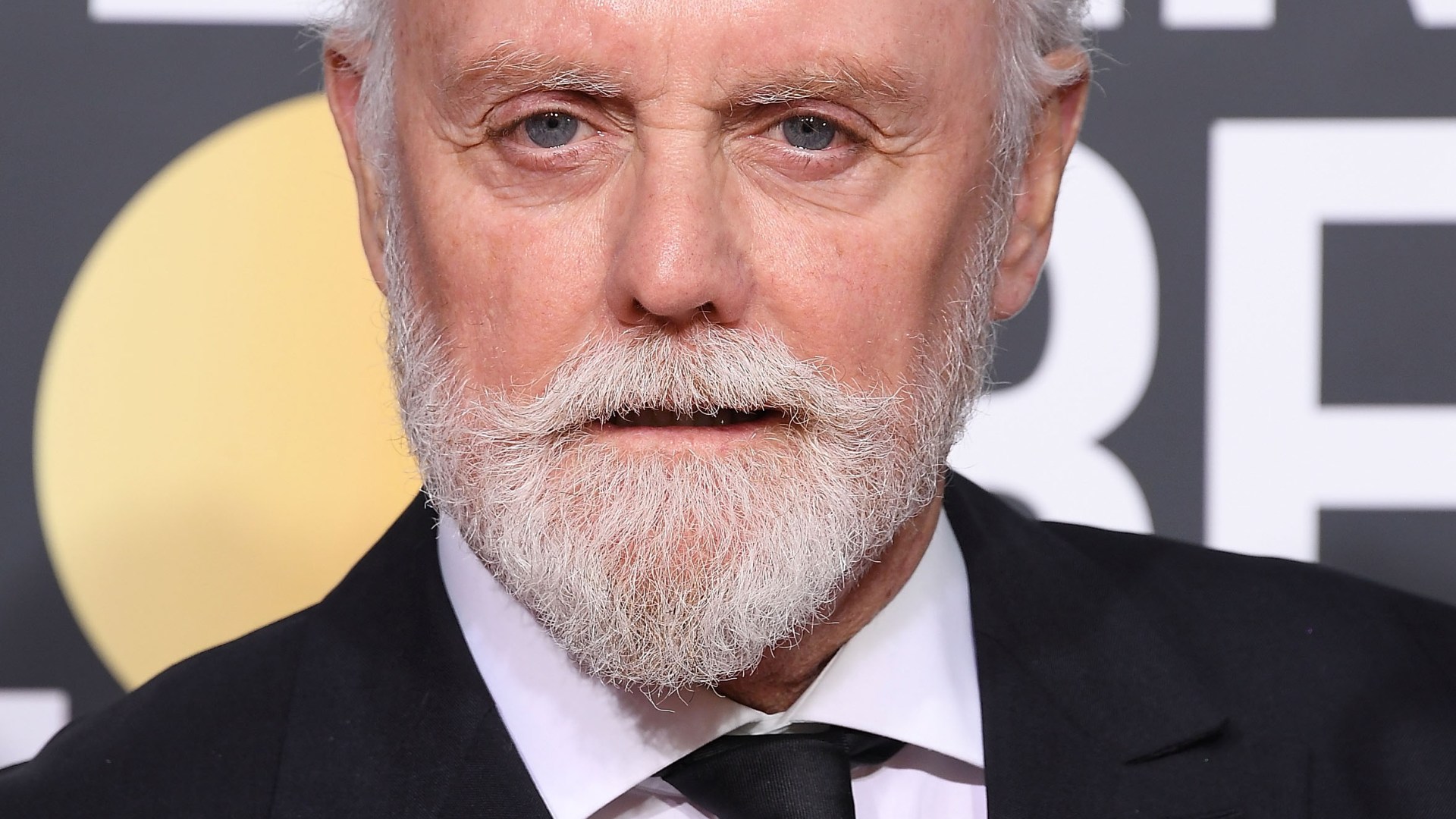
Roger Taylor, the drummer for the iconic band Queen, has found himself in the midst of a neighborhood dispute concerning plans for a substantial hay barn on his expansive Surrey estate. This isn’t Taylor’s first clash with local authorities over alterations to his property. He previously faced scrutiny for erecting a 20-foot statue of the late Freddie Mercury, Queen’s legendary frontman, in his garden without obtaining the necessary planning permissions. This time, the contention revolves around a proposed 70x60ft agricultural storage building intended to house hay bales, a tractor, and other farming equipment. The proposed structure, nearly double the height of an existing barn on the property, has drawn objections from neighbors who argue that it would be visually intrusive and disrupt the scenic character of the designated Area of Outstanding Natural Beauty.
The objections center around several key concerns. Firstly, the barn’s size and industrial appearance are deemed incompatible with the rural aesthetic of the surrounding area. Neighbors fear that its presence would diminish the visual amenity they currently enjoy. Secondly, there are concerns about the precedent this development might set. Approval of the barn could pave the way for further large-scale constructions, potentially transforming the area’s character. Finally, the existing agricultural activity on Taylor’s estate already generates a noticeable level of noise pollution from machinery. Residents worry that the larger barn, and the increased activity it would bring, will exacerbate this issue. They anticipate a rise in vehicular and machinery movements, contributing to greater noise disturbance.
Taylor’s 48-acre estate, an 18th-century residence valued at £8 million, already features a host of amenities, including nine bedrooms, six reception rooms, a staff flat, a tennis court, an eight-car garage, and a newly constructed outdoor pool house complete with a party terrace, bar, jacuzzi, and various entertainment areas. The planned L-shaped barn would not only store hay and a tractor but also house a chemical store, hay trailer, ring roller, harrows, grass drill, and round baler, further adding to the potential for increased activity and noise. Taylor has formally submitted his application to the local council, with a decision expected in the New Year.
This isn’t the first instance of Taylor raising eyebrows with his property modifications. In 2015, he installed the aforementioned 6-meter-high statue of Freddie Mercury without planning permission. While initially controversial, he eventually received retrospective consent. The statue, which had previously stood outside London’s Dominion Theatre for 12 years during the run of the Queen musical “We Will Rock You,” found a new home in Taylor’s garden. Taylor explained his decision, citing storage costs and a belief that Freddie Mercury himself would have found the situation amusing.
Beyond his Surrey estate, Taylor’s property portfolio includes a holiday home in Cornwall, equipped with a helipad and a tennis court, offering stunning views across the Helford River. The Surrey mansion sits at the heart of his holdings, providing a private and tranquil retreat within its extensive grounds. The property embodies classic English country living, combining traditional architecture with modern comforts. His Cornwall retreat offers a contrasting escape, characterized by coastal charm and picturesque views. Previously, Taylor also owned a Spanish-style villa in Los Angeles, which he recently sold, and another substantial mansion in Surrey, complete with a spa, games room, library, and a “party barn” that doubled as a recording studio.
This current planning application highlights the tension that can arise between individual property rights and the preservation of shared community values, particularly in areas designated for their natural beauty. The outcome of Taylor’s application will ultimately depend on the local council’s assessment of the barn’s impact on the surrounding environment and the concerns raised by neighboring residents. The decision will set a precedent for future development in the area, balancing the needs of individual landowners with the broader community’s interest in preserving the area’s unique character.