
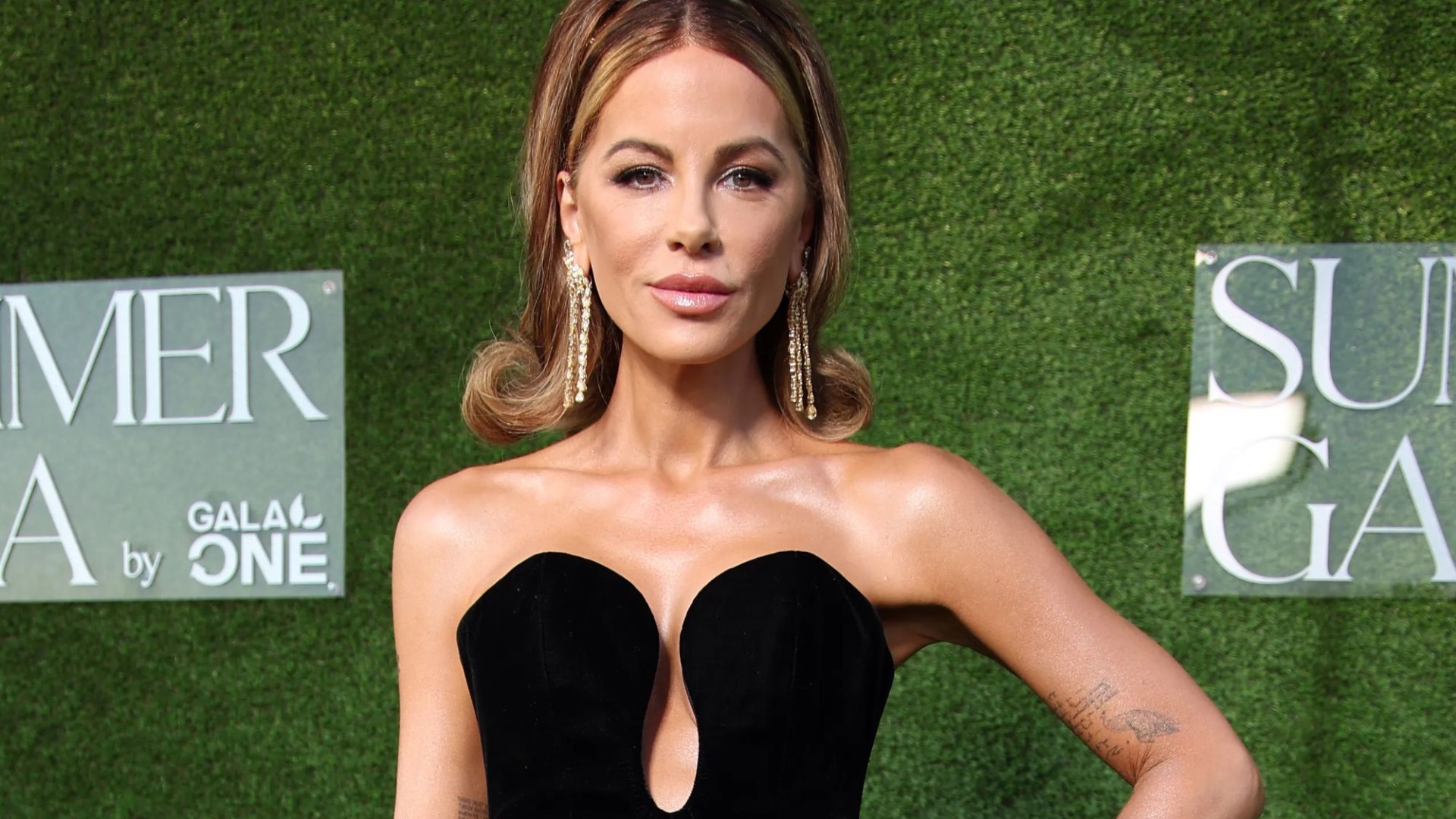
Kate Beckinsale, the renowned actress known for her roles in action films like the Underworld series, Pearl Harbor, and The Aviator, has bravely broken Hollywood’s code of silence, revealing a decades-long battle against violence and sexual abuse within the industry. Her experiences, shared via a now-deleted Instagram video, paint a disturbing picture of an environment where powerful figures exploit and mistreat women, while those who speak up face ostracization and career sabotage. From being “felt up” by a trusted crew member at 18 to enduring physical assaults during fight scenes that resulted in MRI-confirmed injuries, Beckinsale’s account unveils a pattern of abuse she claims to have endured since the start of her career.
Beckinsale’s revelations detail a series of disturbing encounters. At 17, she was invited to a hotel room by Harvey Weinstein, the disgraced movie mogul later convicted of rape and sexual assault, who allegedly appeared in a bathrobe and offered her alcohol. A year later, she claims she was sexually assaulted by a crew member she trusted, only to be dismissed and disbelieved when she reported the incident to other actresses. Further distressing experiences include being verbally abused and ostracized for complaining about a drunken co-star who consistently delayed filming, and being forced to endure a photoshoot the day after suffering a miscarriage, under threat of legal action if she refused.
The actress also highlighted the industry’s obsession with image and its detrimental impact on her physical and mental health. She was placed on extreme diets that led to her losing her menstrual cycle on two occasions and was criticized for her appearance, notably by Michael Bay, director of Pearl Harbor, who allegedly expressed reluctance to cast her as the romantic lead due to her perceived sensuality. This constant pressure to conform to unrealistic beauty standards further underscores the toxic environment Beckinsale describes, one where women are judged and devalued based on their appearance rather than their talent and professionalism.
Beckinsale’s experiences also expose a troubling double standard within the industry. When she reported the physical abuse she suffered at the hands of a male co-star during fight scenes, resulting in bruises and torn clothing, she was gaslighted and blamed, excluded from cast dinners, and ostracized by the crew. This reaction highlights the industry’s tendency to protect perpetrators while silencing victims, reinforcing a culture of fear and complicity that allows such abuse to continue unchecked. This same culture, she contends, has led to the downfall of many women who dared to speak out against their abusers.
Beckinsale’s decision to speak out was prompted by the legal dispute between Blake Lively and director Justin Baldoni, where Lively accused Baldoni of sexually inappropriate behavior and bullying on the set of “It Ends With Us.” While Beckinsale stated she wasn’t commenting on their specific case, she expressed solidarity with Lively’s struggle and criticized the industry’s tendency to punish women who report harassment. She argued that the industry’s climate hasn’t improved as much as some claim, and the fear of reprisal remains a powerful deterrent for victims of harassment and abuse.
Despite the personal cost of speaking out, Beckinsale’s testimony serves as a powerful indictment of Hollywood’s toxic culture. Her experiences, sadly, are not unique. They echo the stories of countless other women who have faced harassment, discrimination, and abuse within the entertainment industry. By bravely sharing her story, Beckinsale has amplified the call for meaningful change, highlighting the urgent need for a safer, more equitable environment for women in Hollywood. She has called for an end to the culture of silence and impunity that allows such behavior to persist, insisting that the industry must hold perpetrators accountable and create a space where women feel safe to speak up without fear of retribution.