


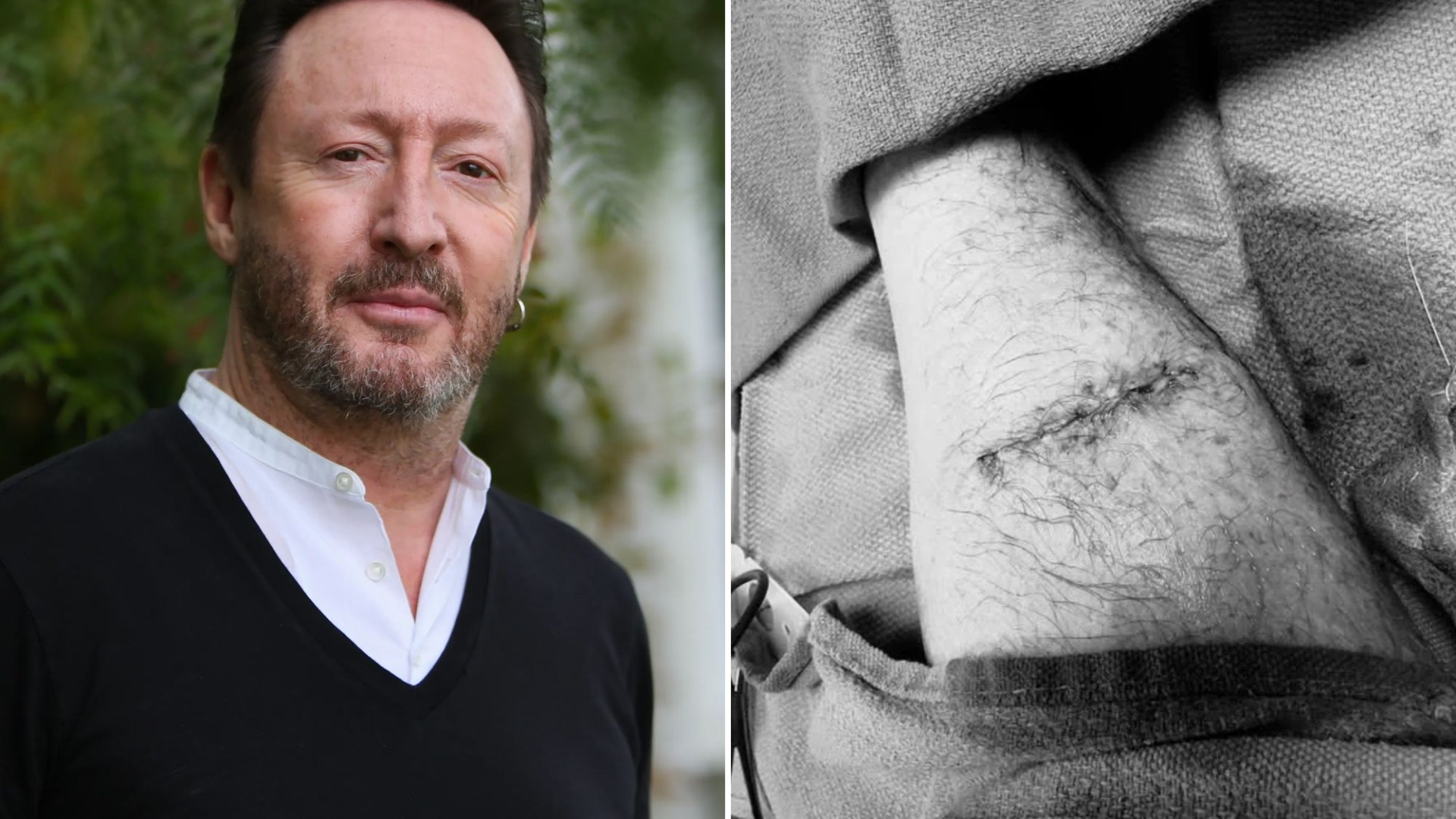
Julian Lennon, the son of the late Beatles legend John Lennon, recently underwent a seven-hour emergency surgery to remove cancerous moles. Prior to a planned trip to New York for promotional events, Lennon consulted with his dermatologist, Dr. Tess, who had previously treated him for skin cancer. During this visit, two suspicious areas were identified on his shoulder and forearm. Following a morning television appearance in New York, Dr. Tess urgently contacted Lennon, advising him to return to Los Angeles immediately for surgery. One of the moles was confirmed as melanoma, a potentially aggressive form of skin cancer, requiring immediate attention.
Heeding the urgent advice, Lennon bypassed his planned return home and instead flew directly back to Los Angeles, going straight from the airport to the operating room. The surgery, performed by a surgeon recommended by Dr. Tess, involved the removal of the cancerous moles with wide margins to ensure complete excision of the malignant tissue. While the operation was deemed a success, Lennon awaits the results of the biopsy, which will definitively confirm whether the cancer has been entirely removed. The anticipation of these crucial results has cast a shadow over his holiday season, replacing the expected festive joy with a mixture of hope and anxiety.
Lennon expressed profound gratitude to Dr. Tess and the surgeon, Dr. Tim, for their swift action and expertise, acknowledging that they likely saved his life. This experience has served as a powerful reminder of the importance of regular health check-ups. Lennon emphasized that early detection and timely intervention can be life-saving, urging everyone to prioritize their health and consult with their doctors for routine screenings. The gravity of his situation has underlined the fragility of life and strengthened his resolve to cherish every moment.
This cancer scare marks the second time Lennon has faced such a health crisis. In 2020, he publicly revealed a previous battle with skin cancer, where a mole he’d had his entire life turned cancerous and required removal. This earlier experience further underscores the importance of regular skin checks and prompt medical attention for any suspicious changes in moles or skin lesions. Lennon’s personal history with skin cancer highlights the need for vigilance and proactive healthcare.
Melanoma, the type of skin cancer Lennon is facing, is a particularly aggressive form of the disease, characterized by its tendency to spread rapidly. Key warning signs include changes in existing moles or the appearance of new, unusual moles. The “ABCDE” rule is a widely recognized guide for identifying potentially cancerous moles: Asymmetry, Border irregularity, Color variation, Diameter greater than 6mm, and Enlargement or Elevation. Other concerning symptoms include swelling, soreness, bleeding, itching, or crusting of a mole. Early detection is crucial for successful treatment of melanoma.
The primary treatment for melanoma is surgical removal of the affected tissue, particularly in early stages. Depending on the severity and stage of the cancer, additional therapies like radiotherapy, targeted medications, or chemotherapy may be employed to prevent further growth and spread. Survival rates for melanoma vary based on the stage at diagnosis, with earlier detection generally associated with better outcomes. While melanoma can be a life-threatening disease, adherence to sun safety practices – such as regular use of sunscreen, wearing protective clothing, and avoiding excessive sun exposure – can significantly reduce the risk of developing this type of skin cancer.