
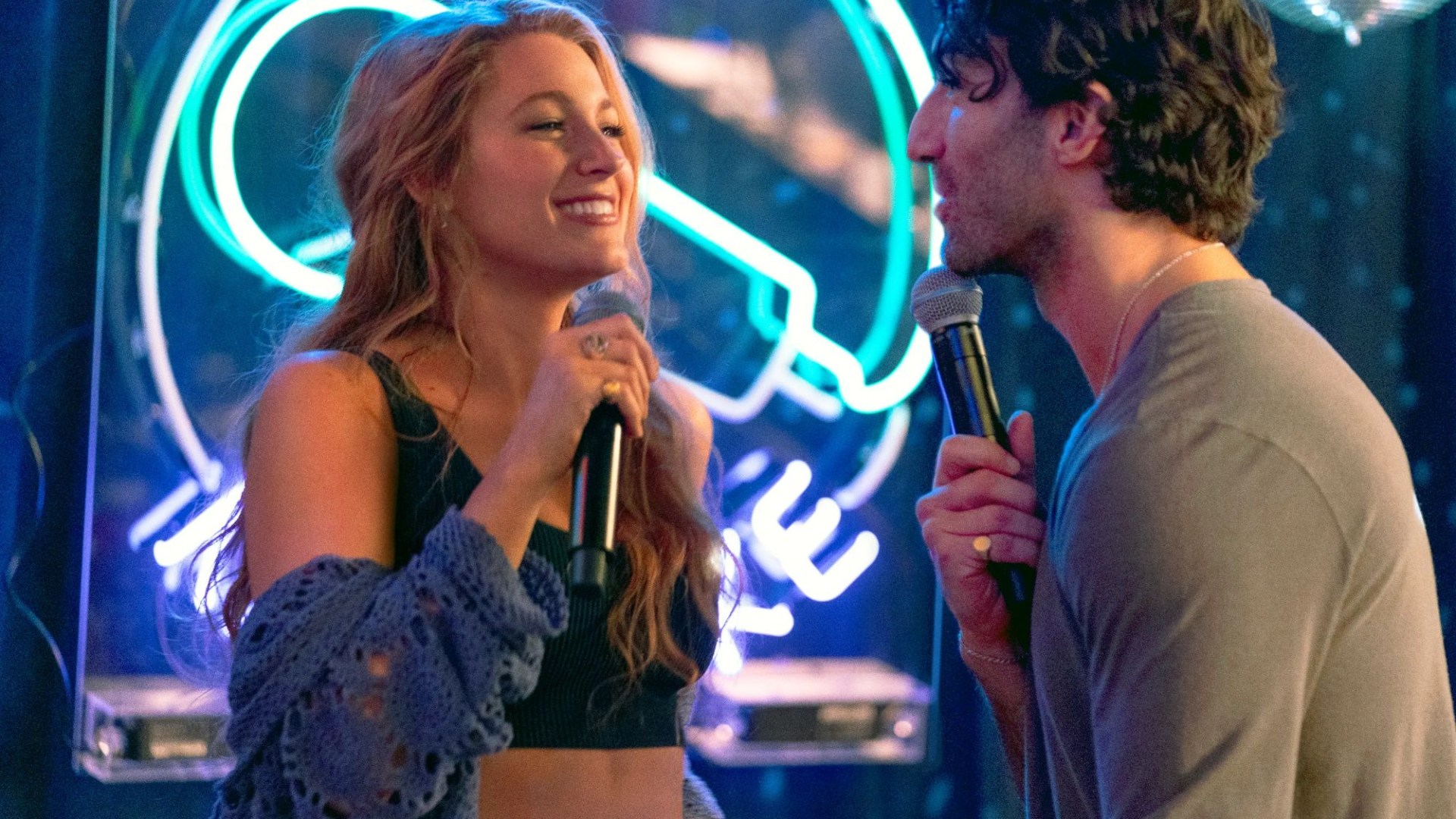
The entertainment world was recently rocked by a lawsuit filed by actress Blake Lively against her “It Ends With Us” co-star, Justin Baldoni, alleging sexual harassment and a smear campaign. The film, an adaptation of Colleen Hoover’s bestselling novel, achieved significant box office success, but behind-the-scenes tensions between the lead actors quickly surfaced. Lively, who also directed the film, accuses Baldoni of displaying inappropriate behavior on set, including showing her explicit images and videos of other women and repeatedly discussing his alleged past pornography addiction. These actions, according to Lively’s legal filing, caused her and her family significant emotional distress.
Adding fuel to the fire, Hoover, the author of the source material, publicly voiced her support for Lively on social media. Hoover praised Lively’s honesty, kindness, and patience, emphasizing the actress’s consistent positive character since their first meeting. This endorsement, coupled with a link to a New York Times article detailing Lively’s lawsuit, clearly positions Hoover on Lively’s side in this escalating conflict. The author’s public stance adds another layer of complexity to the already contentious situation.
Lively’s lawsuit paints a picture of a hostile work environment, alleging that Baldoni’s behavior went beyond mere discomfort. She claims that she had to repeatedly request that he cease showing her explicit content, discussing his sex life, making inappropriate comments about cast members’ bodies, and inquiring about her weight. Furthermore, Lively alleges that she explicitly requested that no additional sex scenes, oral sex, or on-camera climaxing be added to the film beyond what was originally agreed upon in the script. These claims suggest a pattern of unwelcome and inappropriate conduct that created a stressful and potentially harmful atmosphere on set.
The situation escalated to the point where Lively reportedly informed studio executives about her concerns, prompting an all-hands meeting attended by her husband, Ryan Reynolds. This meeting underscores the seriousness of the allegations and the impact they were having on Lively’s well-being and professional life. The lawsuit seeks to address the alleged harassment and the subsequent alleged smear campaign, which Lively claims was orchestrated by Baldoni to damage her reputation.
Baldoni’s lawyer, Bryan Freedman, vehemently denies the allegations, calling the lawsuit “shameful,” “false,” “outrageous,” and “intentionally salacious.” Freedman claims that the lawsuit is a retaliatory tactic by Lively to repair her image after reports surfaced alleging she exhibited “diva-like” behavior on set. This counter-narrative frames Lively as the aggressor, suggesting her lawsuit is a preemptive strike to control the narrative and deflect attention from her own alleged on-set conduct. The conflicting accounts create a he-said-she-said dynamic, making it difficult to ascertain the full truth of the situation.
The lawsuit has ignited a public debate, with opinions divided among fans and industry insiders. Some support Lively, viewing her as a victim of harassment speaking out against powerful figures in Hollywood. Others question her motives, citing the conflicting reports of on-set behavior and suggesting the lawsuit is a strategic maneuver. The case highlights the complexities of navigating allegations of misconduct in the entertainment industry, particularly when conflicting narratives and reputations are at stake. The ongoing legal proceedings will likely uncover more details and potentially shed further light on the events that transpired during the filming of “It Ends With Us.”