



The magic of Christmas is inextricably linked to the festive tunes that fill the airwaves and our homes. While these songs evoke a sense of warmth and holiday cheer, they also generate substantial income for their creators, transforming some seasonal hits into veritable financial goldmines. Contrary to popular belief, Mariah Carey’s ubiquitous “All I Want for Christmas Is You” doesn’t reign supreme in the realm of Christmas music earnings. Slade’s “Merry Christmas Everybody” takes the top spot, earning an estimated £1 million annually and accumulating a staggering £50 million since its release in 1973. This timeless classic, penned by Noddy Holder and Jim Lea, continues to re-enter the charts each year, proving its enduring appeal and generating substantial royalties for its creators.
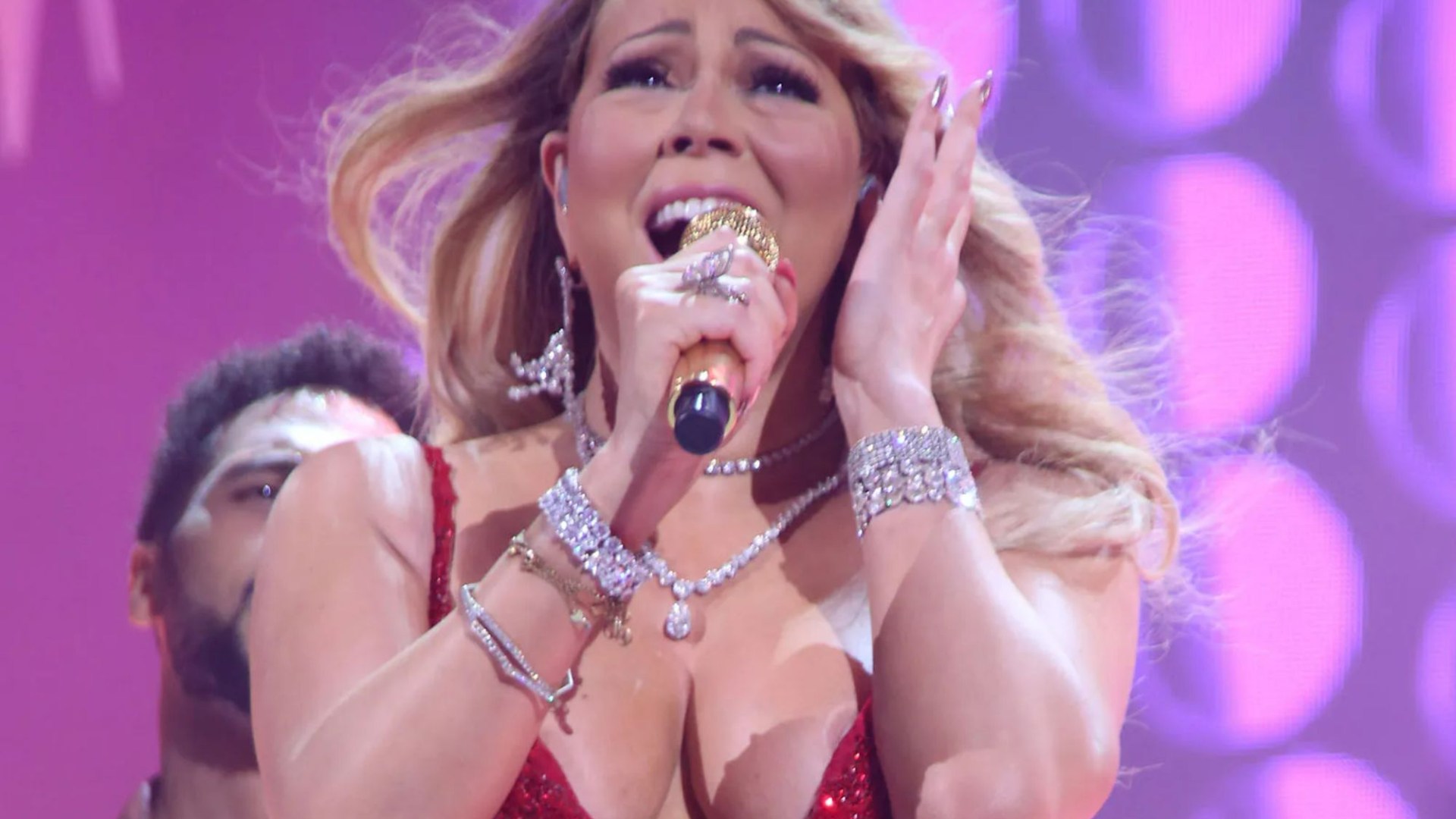
The Pogues and Kirsty MacColl’s poignant duet, “Fairytale of New York,” secures a significant position on the Christmas music earnings list, generating approximately £400,000 in annual royalties and a total of £14.4 million since its release. This bittersweet ballad, co-written by Shane MacGowan and Jem Finer, captures the complexities of relationships and resonates with listeners year after year. While “Fairytale of New York” has faced scrutiny for its lyrics, its enduring popularity underscores its emotional impact. Mariah Carey’s “All I Want for Christmas Is You,” a staple of festive playlists and films like “Love Actually,” earns an estimated £400,000 annually, contributing a significant £11.6 million to Carey’s impressive fortune since its 1994 release. The song’s pervasive presence in popular culture cements its status as a modern Christmas classic.
Wizzard’s “I Wish It Could Be Christmas Every Day,” another iconic track from 1973, continues to spread festive cheer and generate a respectable £180,000 in annual royalties, amassing a total of £9 million since its release. Though famously edged out by Slade for the Christmas number one spot in 1973, Wizzard’s contribution to the Christmas music canon remains undeniable. Chris Rea’s “Driving Home for Christmas,” a nostalgic anthem for holiday travelers, earns an estimated £200,000 annually, accumulating £7 million since its release. Despite not achieving chart-topping success until two years after its initial 1986 release, the song’s enduring popularity speaks to its relatable theme of homecoming during the holidays.
Jona Lewie’s “Stop the Cavalry,” an anti-war protest song with an unexpected Christmas connection, earns approximately £120,000 in annual royalties, contributing to a total of £5.4 million since its 1978 release. While not intentionally written as a Christmas song, its inclusion of festive elements has secured its place in the holiday music rotation. Shakin’ Stevens’ “Merry Christmas Everyone,” a cheerful and upbeat festive tune, generates £140,000 in annual royalties, totaling £5.32 million since its 1985 release. Interestingly, a significant portion of the royalties goes to songwriter Bob Heatlie, with Shakin’ Stevens receiving a smaller share.
Finally, East 17’s “Stay Another Day,” a melancholic ballad often associated with Christmas due to its snowy music video and release timing, earns £97,000 annually, accumulating £2.81 million since its 1994 release. Despite its somber undertones, the song has become a fixture of the festive season, demonstrating the diverse range of emotions evoked by Christmas music. These songs, spanning different decades and genres, highlight the enduring power of Christmas music to connect with audiences and generate substantial revenue for their creators. They represent a diverse tapestry of festive sounds, from upbeat and celebratory to reflective and poignant, contributing to the rich tapestry of Christmas traditions around the world.