


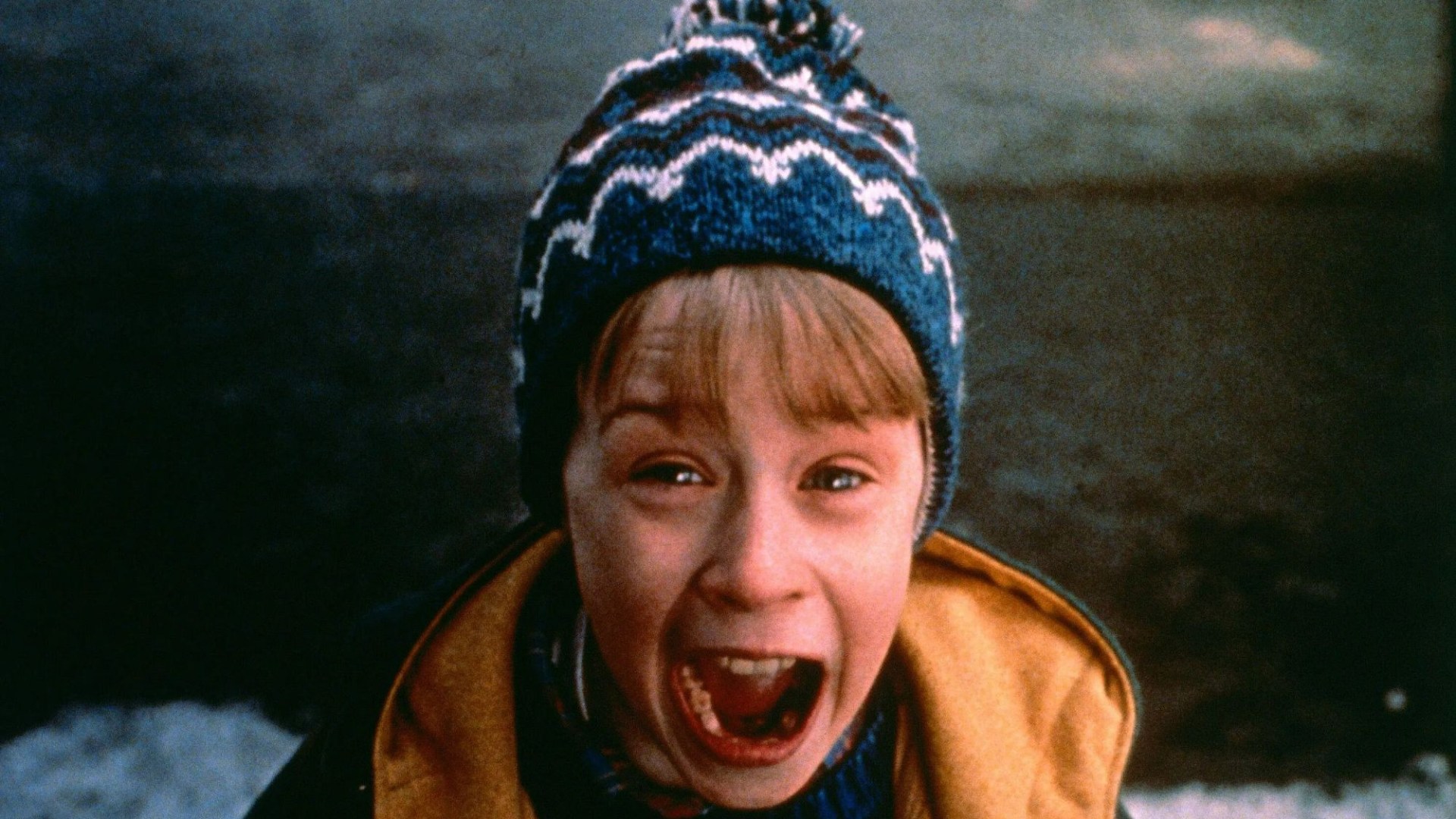
A Reddit user recently sparked a lively debate among Home Alone 2: Lost in New York fans by highlighting a seemingly obvious plot hole in the beloved 1992 Christmas classic. The question posed revolves around Kevin McAllister’s actions after he overhears the Wet Bandits, Harry and Marv, plotting to rob Duncan’s Toy Chest. Armed with a recorded confession of their planned crime, why doesn’t Kevin simply go to the police instead of orchestrating an elaborate, and potentially dangerous, trap in his uncle’s vacant brownstone? This seemingly straightforward solution contrasts sharply with Kevin’s intricate, and often violent, counter-offensive against the bumbling burglars. The ensuing discussion amongst fans offers several compelling explanations for Kevin’s decision, grounding his actions within the established character arc and narrative context of the film.
Several fans argue that Kevin’s distrust of adults, a recurring theme stemming from his abandonment in the first Home Alone film, significantly influences his decision-making. His negative experiences with the Plaza Hotel staff further solidify this distrust, making him hesitant to involve authorities. Furthermore, Kevin’s perception of being "on the run" due to the hotel incident likely fuels a fear of legal repercussions, should he approach the police. This complex emotional landscape, coupled with a child’s unique logic, propels Kevin towards a solution focused on directly protecting Duncan’s Toy Chest, rather than relying on potentially unreliable adults.
The theme of trust, or lack thereof, emerges as a central justification for Kevin’s actions. Having been inadvertently left behind by his family not once, but twice, Kevin exhibits a clear pattern of self-reliance. This ingrained independence, born from repeated experiences of familial oversight, likely predisposes him towards handling the situation on his own terms. Calling the police, an act requiring trust in adult authority, would contradict Kevin’s established character arc and his ingrained coping mechanism of independent problem-solving. His elaborate schemes, while arguably reckless, become a testament to his resourcefulness and resilience in the face of perceived abandonment.
Another theory proposes a more pragmatic explanation for Kevin’s reluctance to involve the police: his own potential culpability. Having used his father’s credit card without authorization, Kevin fears legal consequences for his actions. This practical concern, combined with his aforementioned distrust of authority figures, makes contacting the police a risky proposition in his young mind. The perceived threat of punishment for his own misdeeds further reinforces his inclination towards a clandestine operation, one where he can be the hero without exposing his own vulnerability.
Beyond these more complex justifications lies a simple, yet powerful, explanation: Kevin is a child. Children often operate on a different plane of logic, prioritizing immediate action and tangible solutions over abstract concepts like due process. Kevin’s focus is singular: protect Duncan’s Toy Chest. The intricacies of legal proceedings and police involvement likely hold less weight than the immediate gratification of thwarting the Wet Bandits and becoming the hero of his own narrative. This childlike impulsivity, combined with his established resourcefulness, provides a compelling explanation for his elaborate counter-attack.
The various theories proposed by fans demonstrate the enduring appeal of Home Alone 2 and its protagonist. Kevin’s seemingly illogical decision, when examined through the lens of his character and circumstances, becomes a testament to the film’s nuanced portrayal of a child grappling with complex emotions and situations. While a simple call to the police might seem like the obvious solution to an adult viewer, Kevin’s perspective, shaped by past experiences and a child’s logic, leads him down a different, albeit more chaotic, path. This debate highlights the richness of the Home Alone narrative, encouraging viewers to engage with the characters on a deeper level and appreciate the complexities of even seemingly straightforward plot points.
The Home Alone franchise, spanning several sequels and reboots, consistently explores themes of family, resilience, and the unique perspectives of children. From the original Home Alone in 1990 to the most recent Home Sweet Home Alone in 2021, the films capture the universal appeal of a child left to their own devices, navigating challenges with both ingenuity and vulnerability. While Home Alone 2 marked Macaulay Culkin’s final portrayal of Kevin McAllister, the character’s resourcefulness and unique problem-solving approach continue to resonate with audiences, sparking discussions and debates that extend beyond the screen. The enduring popularity of the franchise testifies to its ability to capture the magic and chaos of childhood, while simultaneously exploring the complexities of family dynamics and the emotional landscapes of young protagonists.